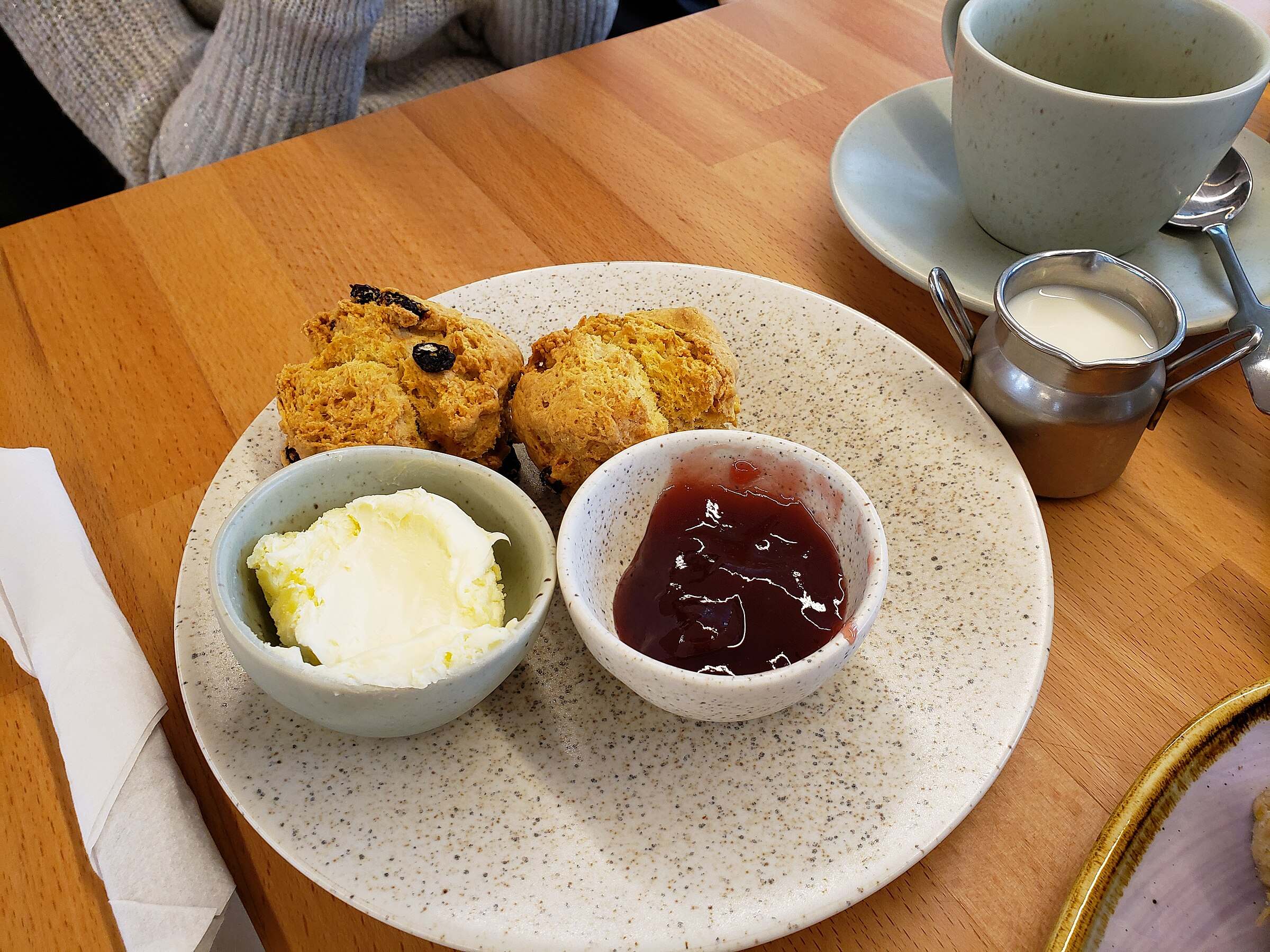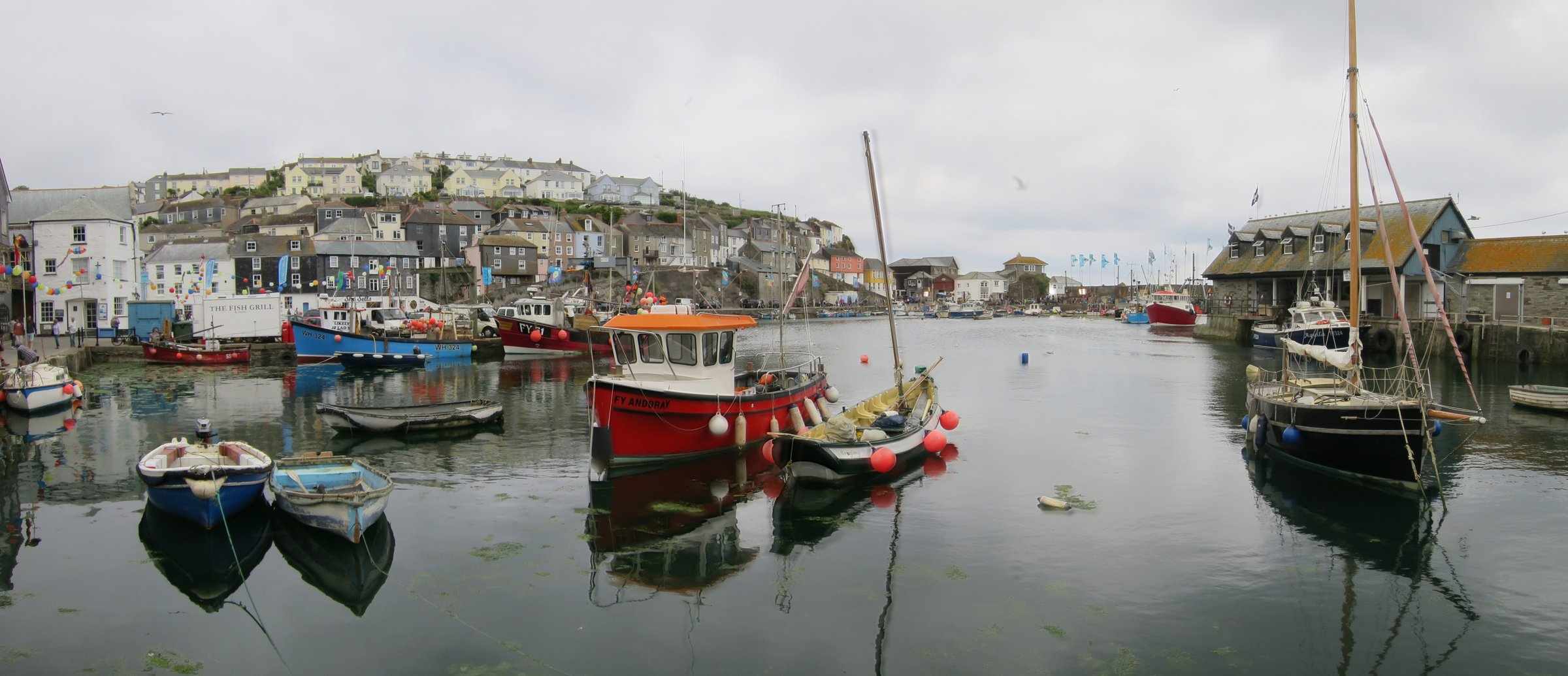
A Cornish maker's studio at the back of a harbour town.

Cornwall · Makers

Cornish makers.

The brands and producers built here that justify the badge. Clothing made for the climate, candles that smell of granite and gorse, and food that travels well.

Photograph — Mycreativesideunleashed / Wikimedia Commons (CC BY-SA 4.0)

The honest filter

Plenty of brands print "Cornwall" on their packaging without doing the work. The ones below either make in Cornwall, source from Cornwall, or have a fifty-year tie to the place that shows in the product. They're worth the shelf space at home.

Cornwall has a strong maker economy that punches above the county's population — the result of fifty years of artists, food producers and craft brands setting up here because the lifestyle suits the work. Some of these brands have gone national (Seasalt, Rodda's, Roskilly's, Cornish Sea Salt). Others have stayed deliberately small (most of the candle workshops, most of the bakeries, most of the print studios). What unites the genuine makers is a place-of-origin authenticity that the marketing-driven brands can't fake — products that look like their landscape and behave like their weather.

This section covers three clusters: clothing made for or in Cornwall, home fragrance from Cornish workshops, and food producers whose products travel well. Each cluster page goes into more depth on the specific brands worth knowing.
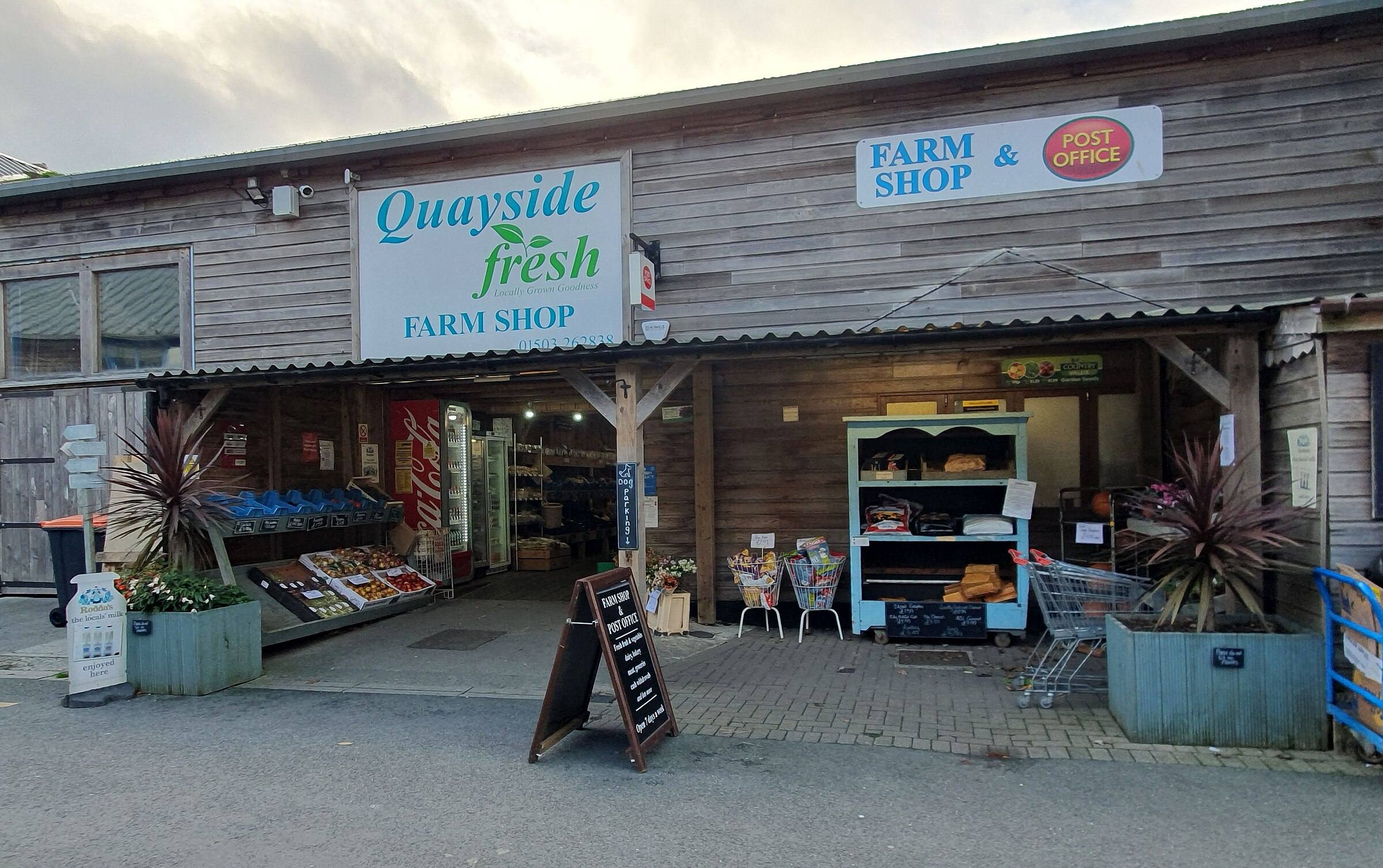
A Cornish farm shop interior — shelves of local jams, chutneys, baked goods and a wooden chalkboard listing what's been picked or baked that morning.
The Cornish farm shop — the most reliable filter for genuine local production. The Trevathan, Lobbs, Trevisker and Tregothnan farm shops anchor a network that runs the whole county. Photograph · Wikimedia Commons (CC BY-SA)

What we look for in a maker

"Made in Cornwall" is not the same as "branded in Cornwall." Plenty of products use a Cornish name, a Cornish logo, or a Cornish-sounding founder story while being produced two counties away under a contract manufacture deal. We don't list those. The makers in this section meet at least one of three filters: production happens in the county (or on a working Cornish site); raw material is sourced from Cornwall in a way that genuinely shapes the product (sea salt from the south coast, dairy from West Country herds, fleece from local sheep); or the brand has a fifty-plus-year operational history with the place — long enough that the tie is structural, not a marketing exercise.

The other thing we look for is product integrity over packaging. Cornwall has a serious problem with brands that look beautiful on Instagram and disappoint when you open the box — thin candles that burn through in an hour, "Cornish" preserves with the same supplier list as a supermarket own-brand, T-shirts made in Bangladesh with a Cornish flag screen-printed on. The list below is what we'd buy ourselves, or send to someone else as a gift from the county without embarrassment.

Buy something you can taste, wear or burn — not something that sits on a shelf. The makers that survived the post-2008 squeeze are the ones whose product earned its place every day, not the ones who relied on the gift-shop impulse purchase.

What we tell visitors who want to bring something back
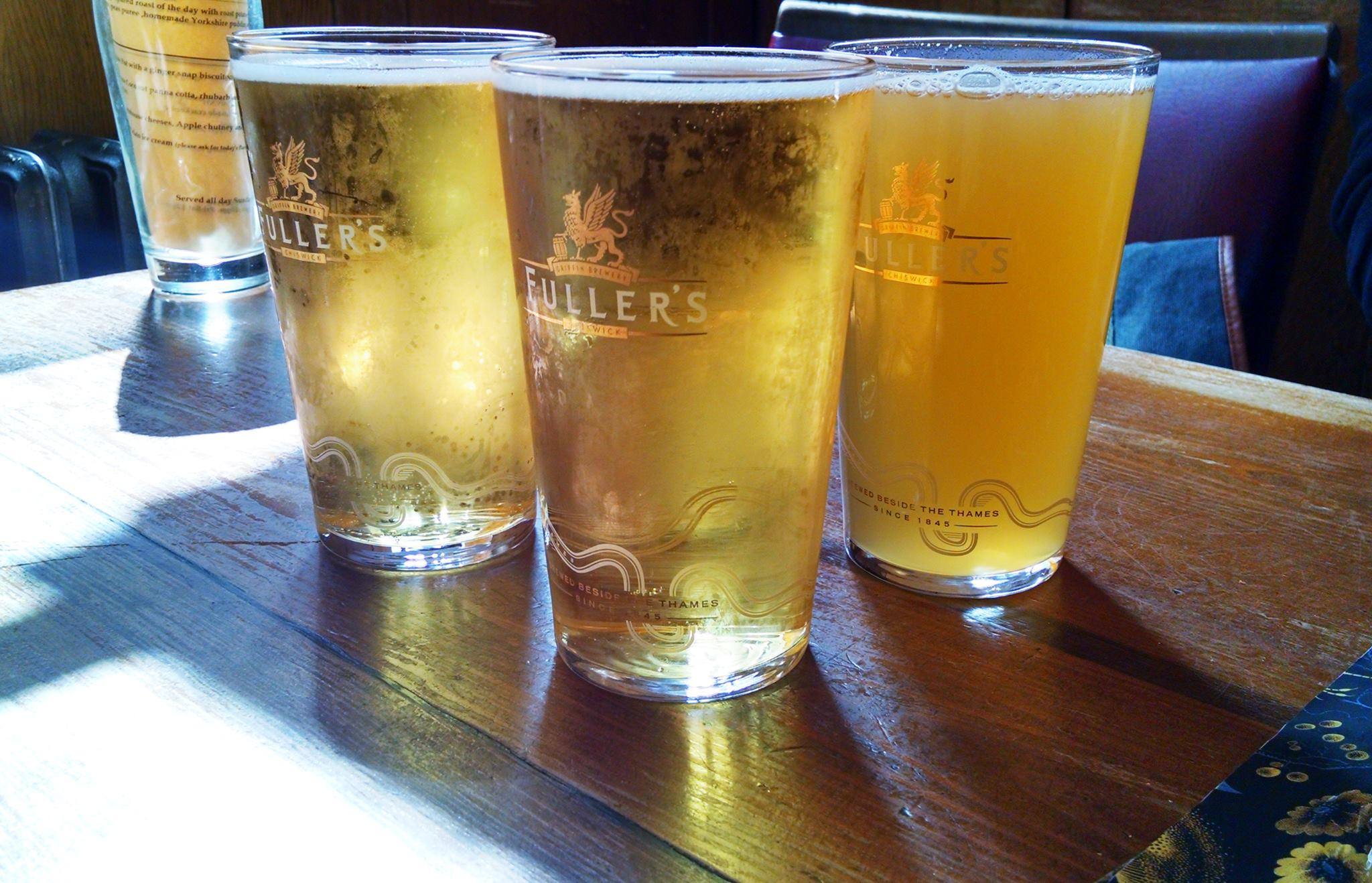
Cornish cider — a row of bottles from independent makers including Healey's, Cornish Orchards and Polgoon, photographed in front of orchard fruit.
Cornish cider — a quiet renaissance over the past decade, led by Healey's, Cornish Orchards and Polgoon. The good ones are dry, single-orchard, and worth seeking out. Photograph · Wikimedia Commons (CC BY-SA)

The AllCornwall letter

Cornwall, in your inbox.

One short letter most weeks. New guides, the conditions worth watching, and the few places we'd send a friend. No spam, no sponsored noise, unsubscribe in one click.

No spam. Unsubscribe in one click.