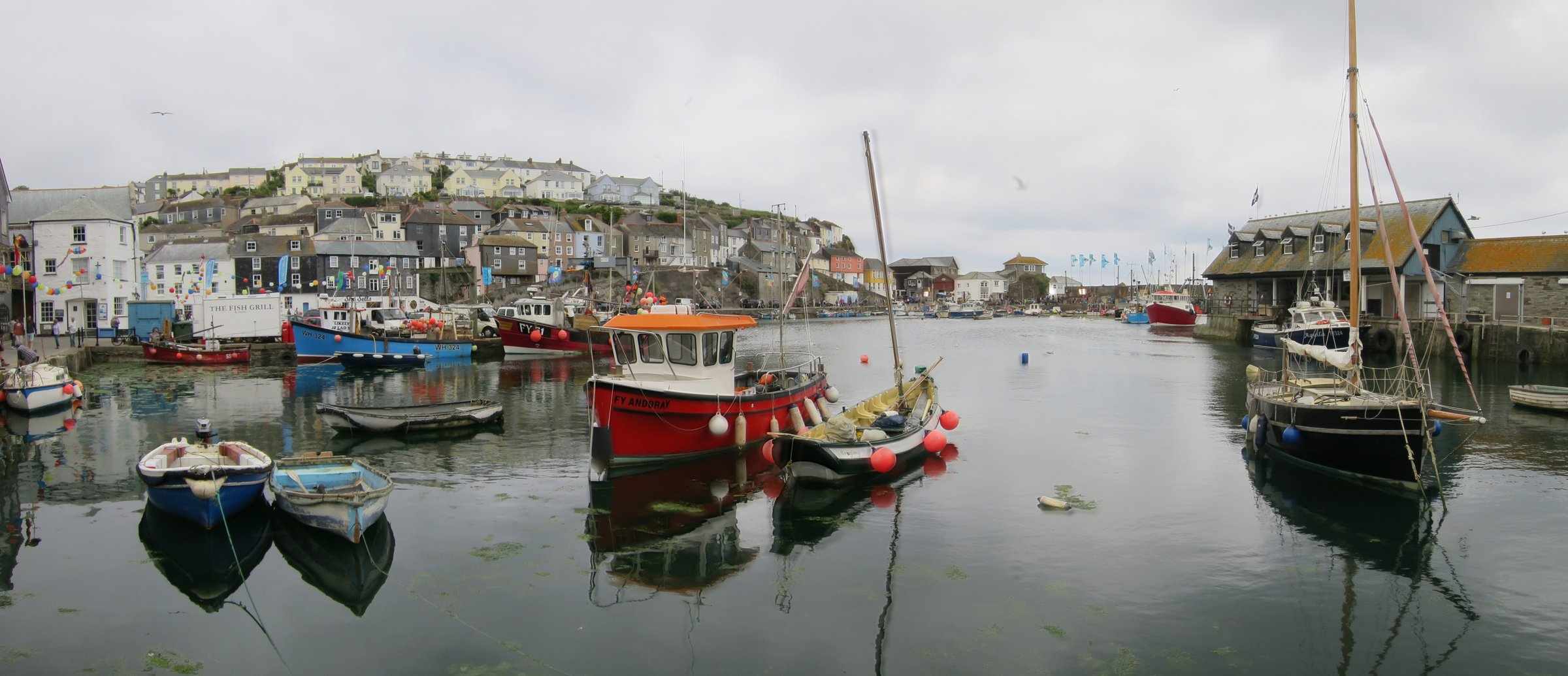
Mevagissey Harbour — colourful fishing boats and hillside cottages on Cornwall's south coast.

Cornwall · Food & Drink

Where to eat in Cornwall.

From Rick Stein's Padstow empire to hidden cove pop-ups — the restaurants, pubs and cafes that make Cornwall one of Britain's best food destinations.

Photograph — Oast House Archive / Wikimedia Commons (CC BY-SA 2.0)

Start here

Eight ways to eat and drink in Cornwall — the pasty, the seafood, the cream tea, and the things you didn't know you came for.

Cornwall has been quietly building one of the strongest food regions in Britain. The county was poor when most of the rest of the country was prosperous, so its food culture developed around what the land and sea could give for free — fish, pasties, clotted cream, cider, sea-salted everything. Forty years of post-Rick-Stein refinement on top of that foundation have produced restaurants that punch far above the county's population.

The food map of Cornwall has clusters. Padstow has the highest concentration of destination restaurants — Stein, Ainsworth, Prawn on the Lawn, Rojano's. St Ives runs from harbour-side cafes to Porthminster Beach Cafe. Falmouth, Penzance and Newlyn share a serious working-port seafood scene. Inland, Padstow and Wadebridge anchor a strong bakery and farm-shop culture; the Lizard has the best ice cream; Mousehole and Polperro hold the prettiest harbour-pub dinners. Pick a base by what you most want to eat.
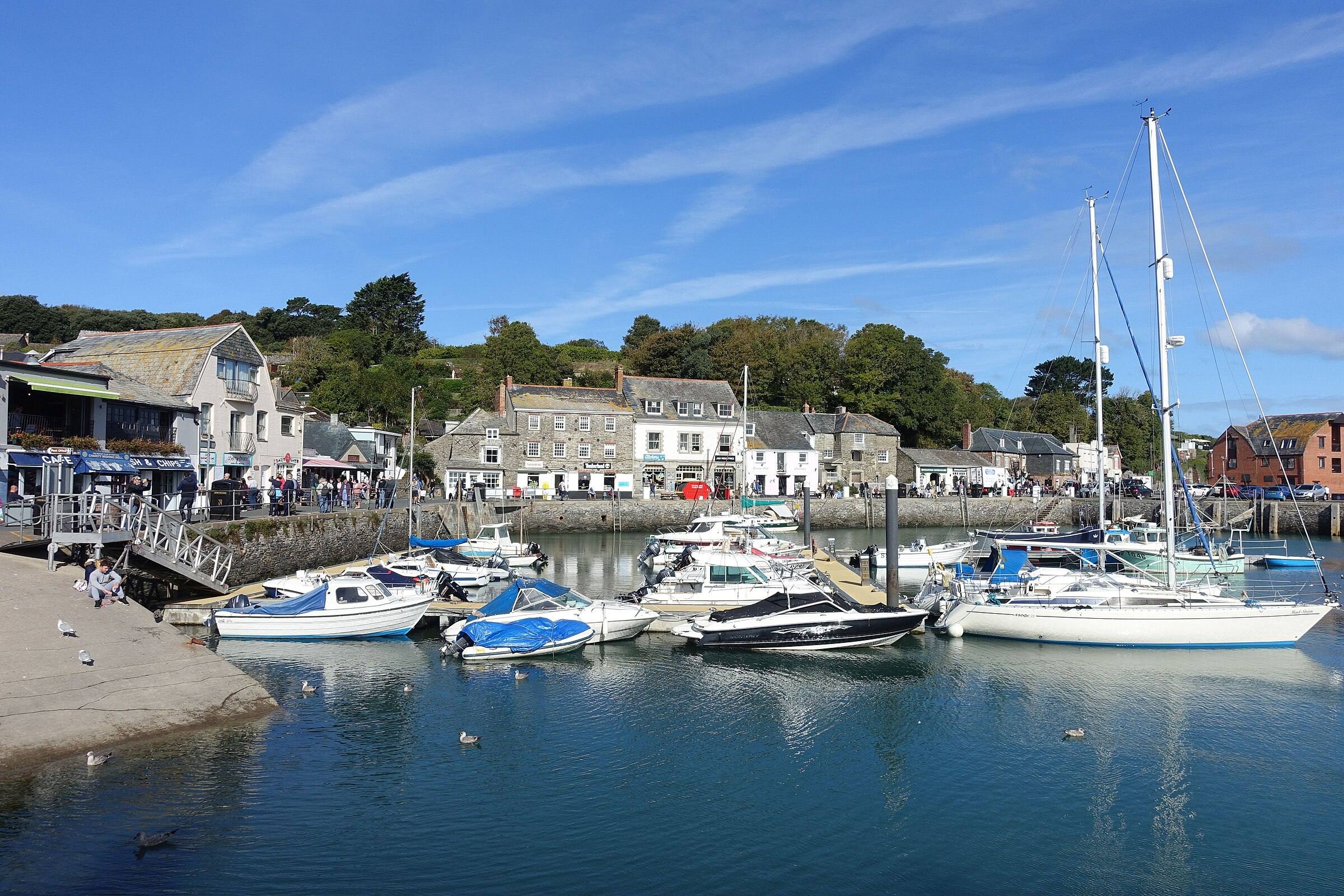
A plate of Cornish seafood on Padstow harbour — fresh local crab, bread and a glass of white wine, with the working fishing fleet visible in the background.
Padstow's working harbour — the source of one of the strongest restaurant clusters in Britain. Photograph · Wikimedia Commons (CC BY-SA)

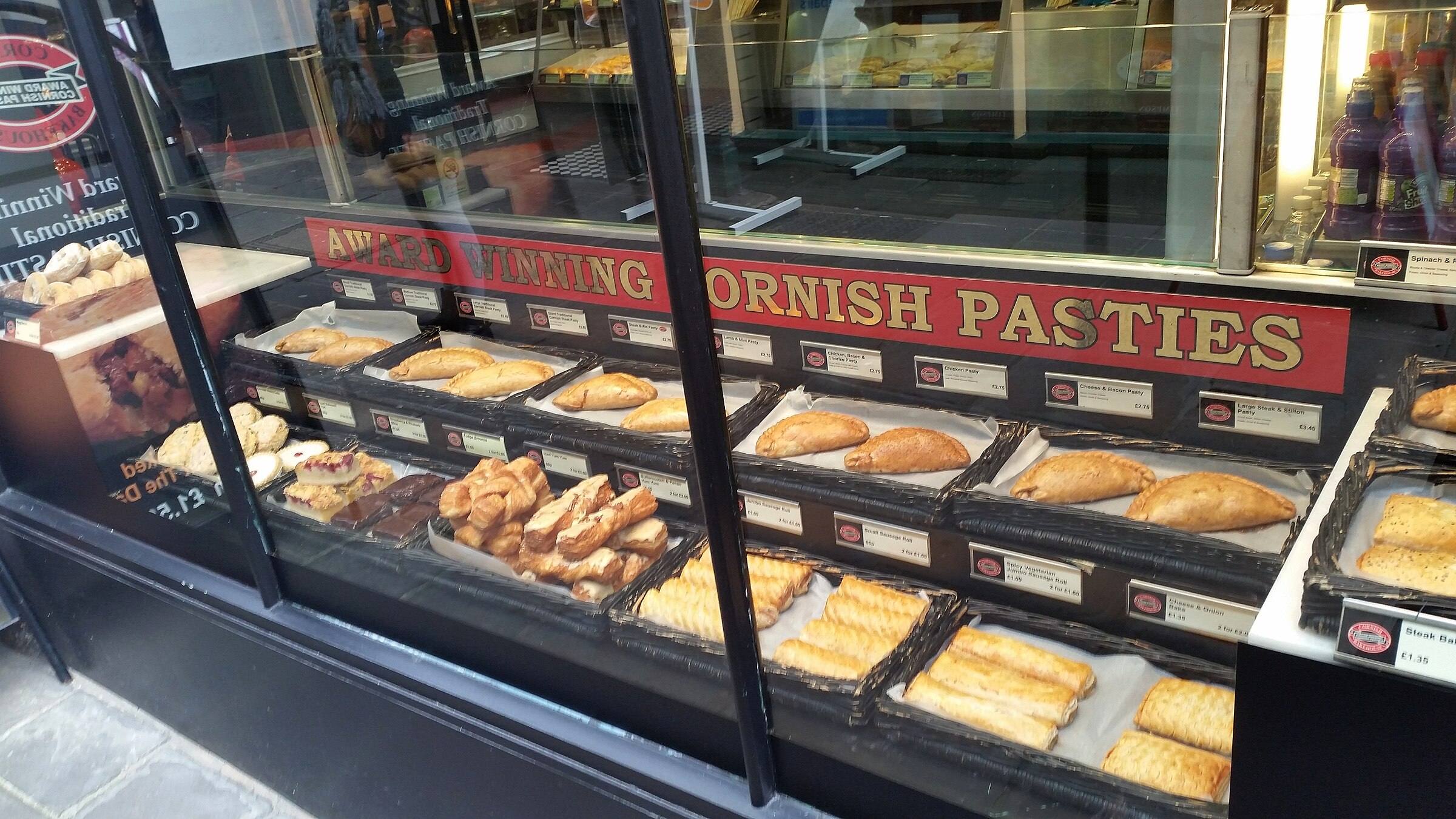
The cornish pasty is properly made with skirt steak, swede, onion and potato — never carrot, never mince, never reheated. If you only have time to try one, queue at the bakery the locals queue at, not the one with the photographs in the window.

On the pasty debate
A traditional Cornish pasty, freshly baked with golden crimped pastry and steam rising from the cut end.
The pasty — a hand-held lunch built for tin miners that has outlasted the industry by a century. Photograph · Wikimedia Commons (CC BY-SA)

A note on the cream tea

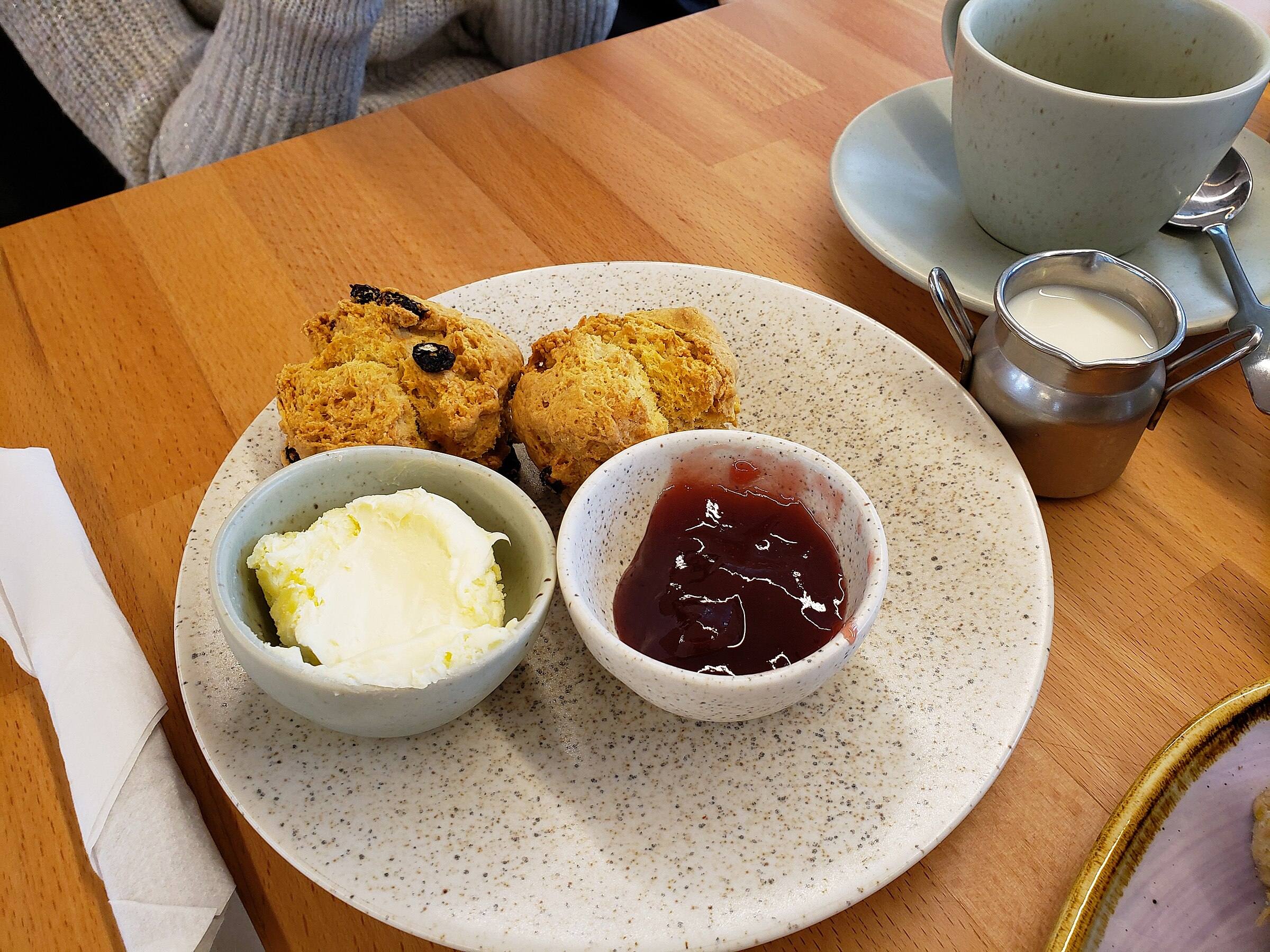
In Cornwall, jam goes on the scone first, then the clotted cream on top. In Devon it's the opposite — cream first, jam after. The argument has been running for at least a century, and Cornish people care more about it than visitors expect. The clotted cream itself is the marker of quality: it should be thick enough to stand a spoon in, with a darker yellow crust on top from being baked in the pan. Roddas (Redruth) is the volume leader; smaller dairies like Trewithen and the National Trust farms hold the higher end.

A proper Cornish cream tea is two scones, jam, clotted cream and tea — not the single-scone version some cafes try to charge eight pounds for. The most reliable places to find it: National Trust tearooms (Lanhydrock, Trelissick, Cotehele), the better farm shops (Trevathan, Tregothnan), and a small number of village tea-rooms where the locals still go.

A Cornish cream tea — two scones with clotted cream and strawberry jam on a slate plate with a pot of tea behind.
The Cornish cream tea — jam first, cream on top. The Devon convention is the opposite, and that argument has run for a century. Photograph · Wikimedia Commons (CC BY-SA)

The AllCornwall letter

Cornwall, in your inbox.

One short letter most weeks. New guides, the conditions worth watching, and the few places we'd send a friend. No spam, no sponsored noise, unsubscribe in one click.

No spam. Unsubscribe in one click.