The Cornish pasty
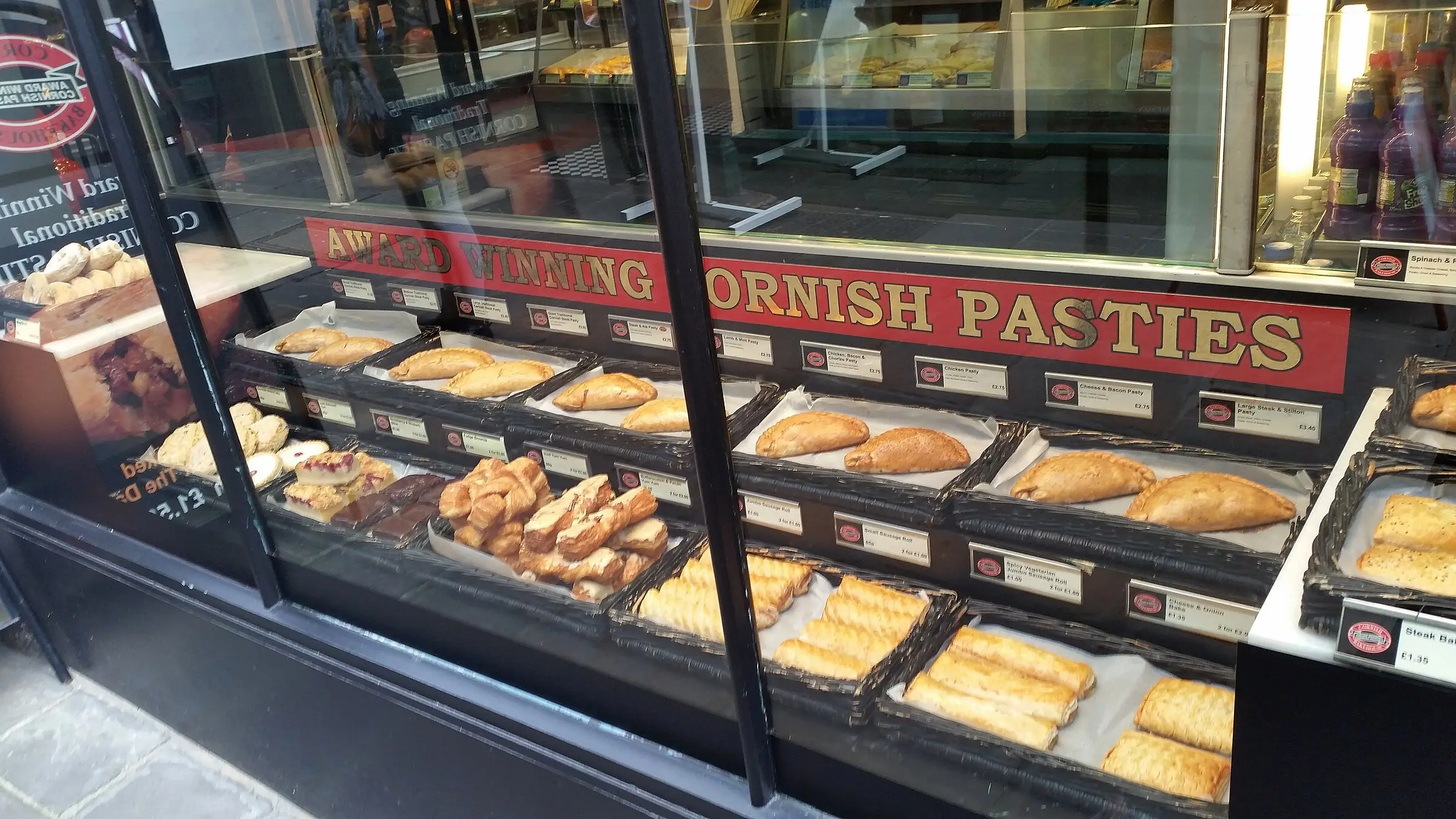
The Cornish pasty has Protected Geographical Indication status — like Champagne or Parma ham — which means a genuine Cornish pasty must be made in Cornwall with a specific recipe: beef, potato, swede, onion, seasoning, and nothing else, enclosed in a D-shaped pastry shell with a hand-crimped side seal. The pasty was designed as a portable lunch for miners — the thick crimp served as a handle for hands covered in arsenic dust — and the best versions are still fundamentally simple. The pastry should be firm enough to hold, the filling should be peppery and moist, and the whole thing should weigh enough to feel like a meal. Ann's Pasties in the Lizard makes the purist's choice — nothing fancy, just perfect technique. Philps in Hayle has a devoted following and a queue that starts before opening. Malcolm Barnecutt in Bodmin and Launceston is the oldest bakery in Cornwall (since 1880) and still makes them by hand. The chains (Rowe's, Warrens) are consistent. Avoid anywhere that microwaves them.
Ann's Pasties (Lizard) · Philps (Hayle) · Malcolm Barnecutt (Bodmin, Launceston) · Rowe's (chainwide) · £4–6 · Eat immediately — a cold pasty is a different and lesser thing