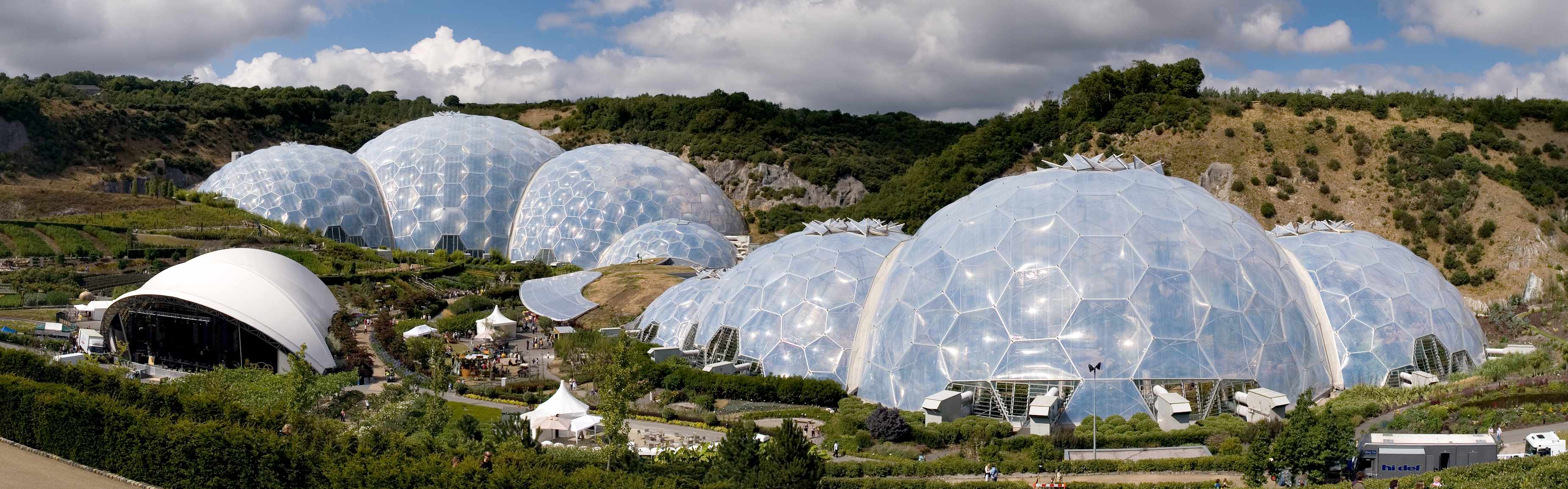
The Eden Project biomes — geodesic domes rising from a former clay pit in mid-Cornwall.

Cornwall · Family

Best things to do in Cornwall with kids.

The biomes, the castle, the steam train, and the rock pool that the guidebooks miss — eight things worth the drive.

Photograph — Jürgen Matern / Wikimedia Commons (CC BY-SA 2.5)

An honest guide

Cornwall sells itself on beaches, and the beaches deliver. But a week of beach days with children under ten is a week of diminishing returns — by Thursday the bodyboard has a hole in it, the windbreak has blown over twice, and someone is crying about sand in their sandwich. This guide is about the other days. The ones that save the holiday.

The problem with most "things to do with kids in Cornwall" lists is that they include everything — Crealy, Dairyland, the Screech Owl Sanctuary, the Cornish Cyder Farm, and forty other attractions that charge fifteen pounds a head to stand in a field with a goat. Some of those are fine. None of them are the reason you drove four hours down the A30. What follows is a shorter list of things that are genuinely worth a morning or an afternoon of a holiday you're spending real money on — places where the children come away having seen or done something they couldn't have done at home.

The list deliberately mixes scales. Eden Project is a world-class institution. Rock pooling at Chapel Porth is free and requires nothing but a bucket and a low tide. Tintagel is a castle on a cliff. The Lappa Valley is a steam train through a wood. What they share is that children remember them — not because of a gift shop or a ball pit, but because something about the place was real and unexpected and slightly outside the ordinary rhythm of their week.

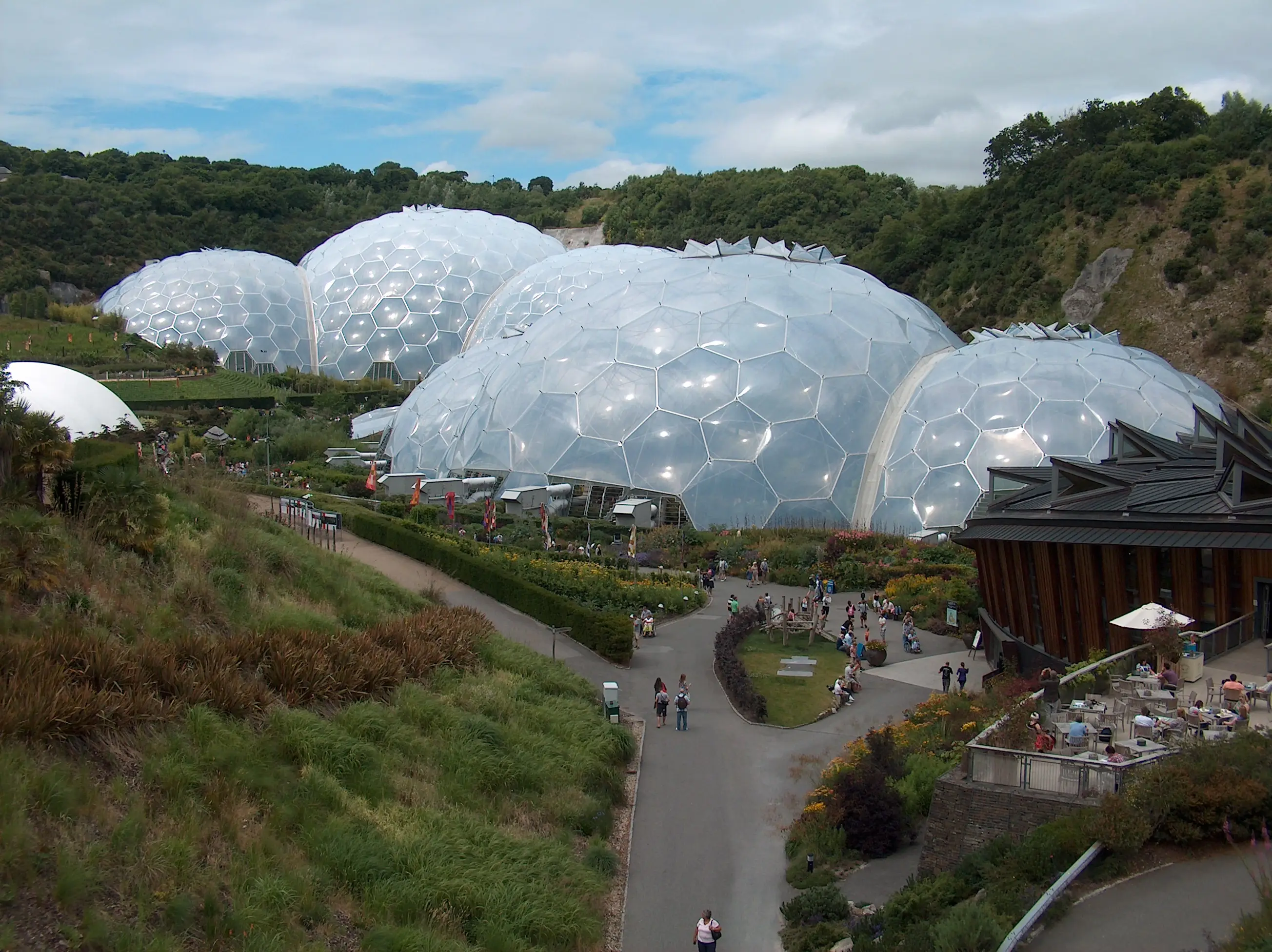
Eden Project

The Eden Project biomes — view across landscaped gardens toward the geodesic domes.
Neil Theasby / Wikimedia Commons (CC BY-SA 2.0)

A pair of geodesic biomes built in a disused china clay pit near St Austell, housing the largest indoor rainforest in the world. That sentence should be enough, but what makes Eden work with children is not the headline — it's the scale. The Rainforest Biome is warm, humid, and tall enough that you lose sight of the roof. The Mediterranean Biome smells of lavender and citrus. The outdoor gardens cascade down the pit walls in a way that turns a walk into a mild adventure. There is a zip wire, a climbing frame, and an ice rink in winter, but the biomes themselves are the thing. Book in advance during school holidays — it sells out, and the walk-up queue on a rainy August morning is an ordeal.

The details

Near St Austell · All-weather · Allow 3–4 hours · Cafe and restaurant on site · Advance booking essential in holidays
Tintagel Castle

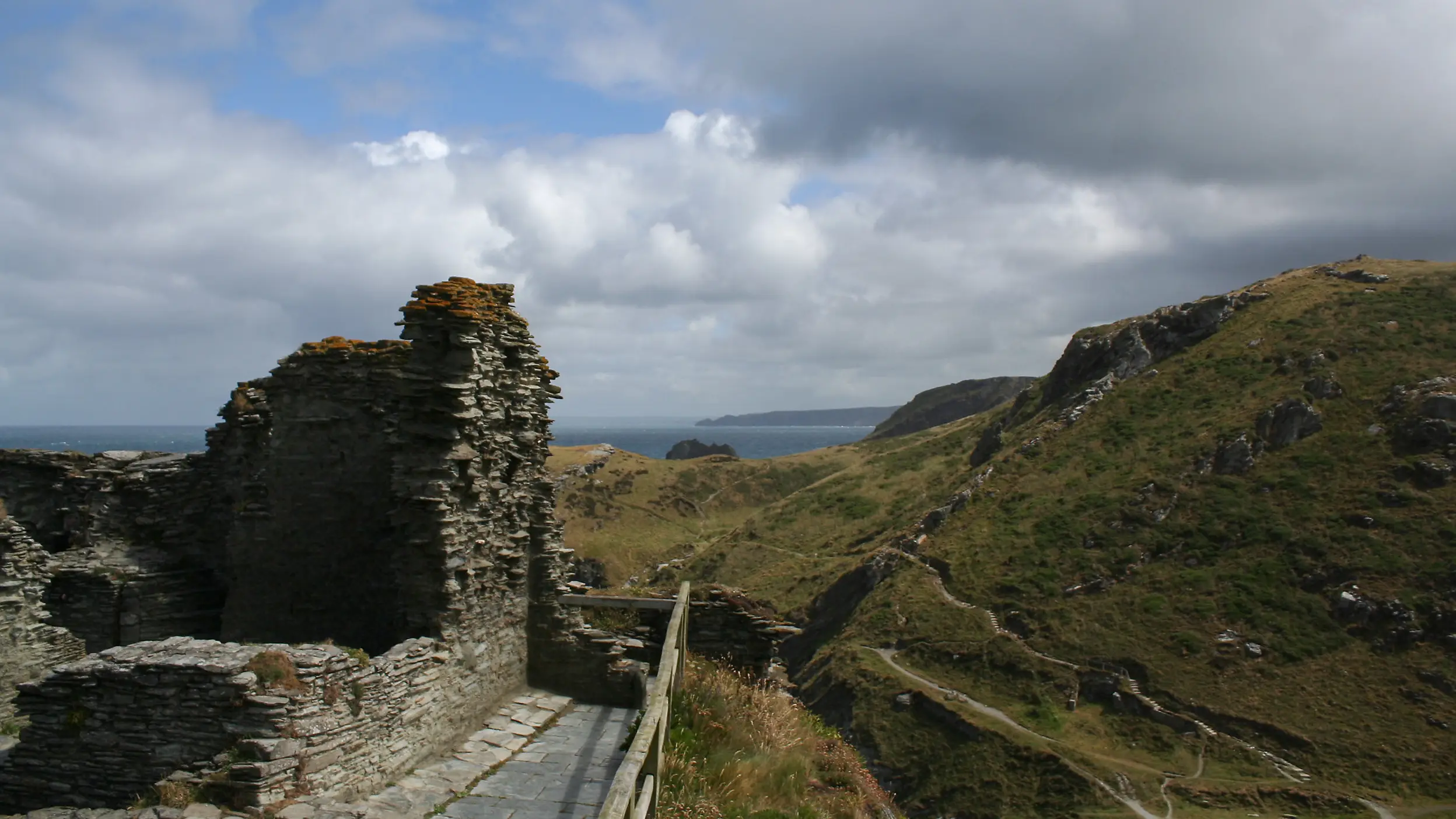
Tintagel Castle ruins on a dramatic headland above the Atlantic.
wolfgang.mller54 / Flickr via Wikimedia Commons (CC BY 2.0)

A ruined castle on a headland that looks like it was drawn by a child who was told to draw the most dramatic castle they could imagine. Tintagel trades on the Arthurian legend — the claim that this is the birthplace of King Arthur — and while the history is more complicated than that, the setting is beyond argument. The new footbridge connecting the mainland to the island headland is a piece of engineering that's worth the visit on its own: a pair of cantilevered steel arms that don't quite meet in the middle, leaving a deliberate gap you can see through to the sea below. Children who can manage the steps — and there are many, steep ones — will spend an hour exploring the ruins and another hour refusing to leave the beach in the cove below. Merlin's Cave at low tide is the finale.

The details

English Heritage · North coast · Allow 2–3 hours · Steep steps (not pushchair-friendly) · Cafe at the top · Land Rover shuttle available

National Maritime Museum, Falmouth

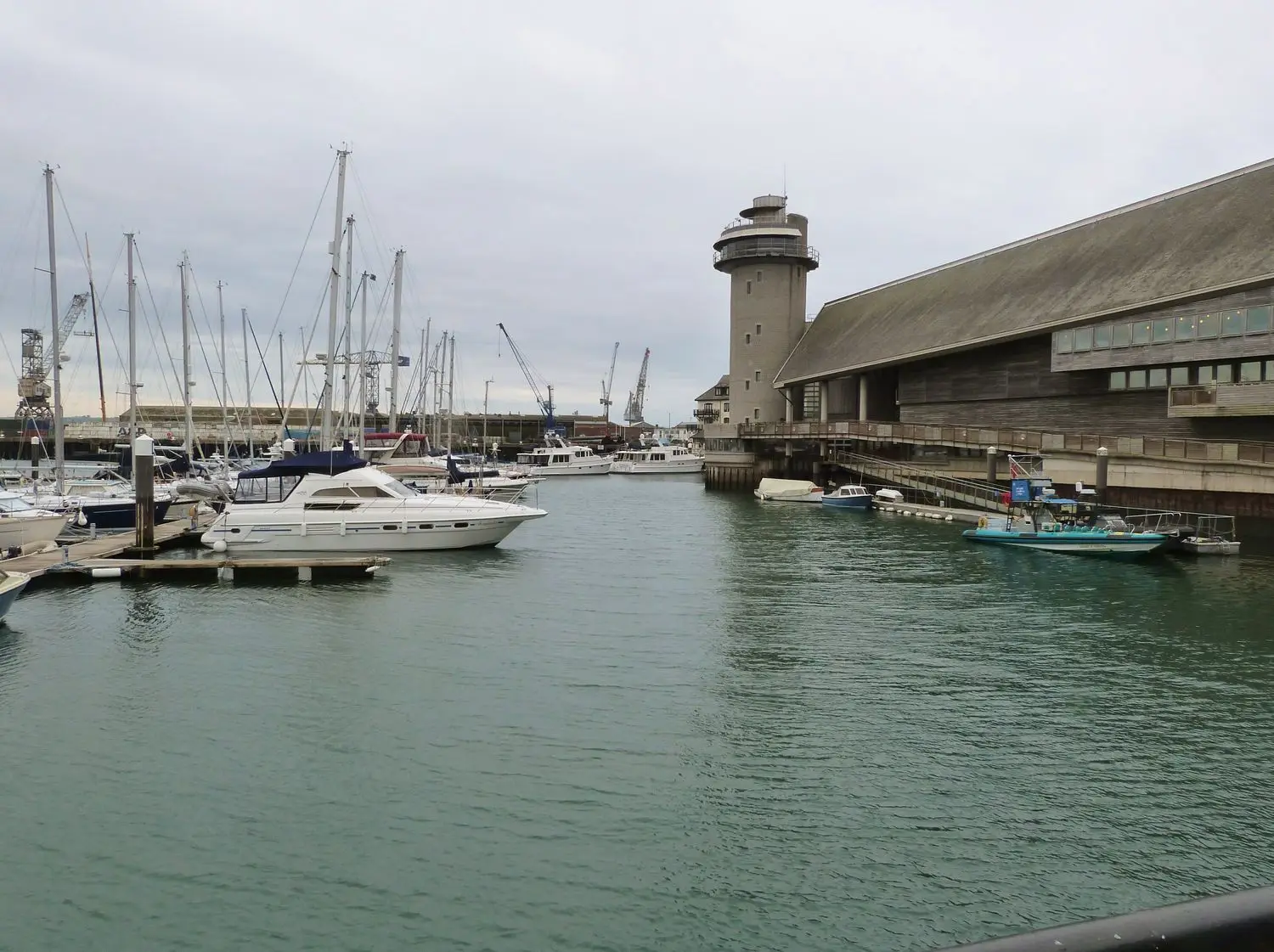
The National Maritime Museum Cornwall in Falmouth — modern waterside building overlooking the harbour.
Derek Voller / Wikimedia Commons (CC BY-SA 2.0)

A proper museum in a harbourside building designed to make you look at boats the way you look at paintings. The main hall suspends small craft from the ceiling at different heights — dinghies, canoes, a Cornish gig — and the effect is somewhere between an art gallery and a cathedral. The interactive galleries work hard for younger children: there are knot-tying stations, a weather-prediction exhibit, and a tidal pool tank. The lookout tower at the top of the building gives a view across Falmouth harbour that would be worth the admission on its own. This is the best rainy-day option in Cornwall that isn't Eden — and unlike Eden, you can walk up without a booking.

The details

Falmouth harbour · All-weather · Allow 2–3 hours · Cafe on site · Town-centre parking nearby · Walk-up admission

Lappa Valley Steam Railway

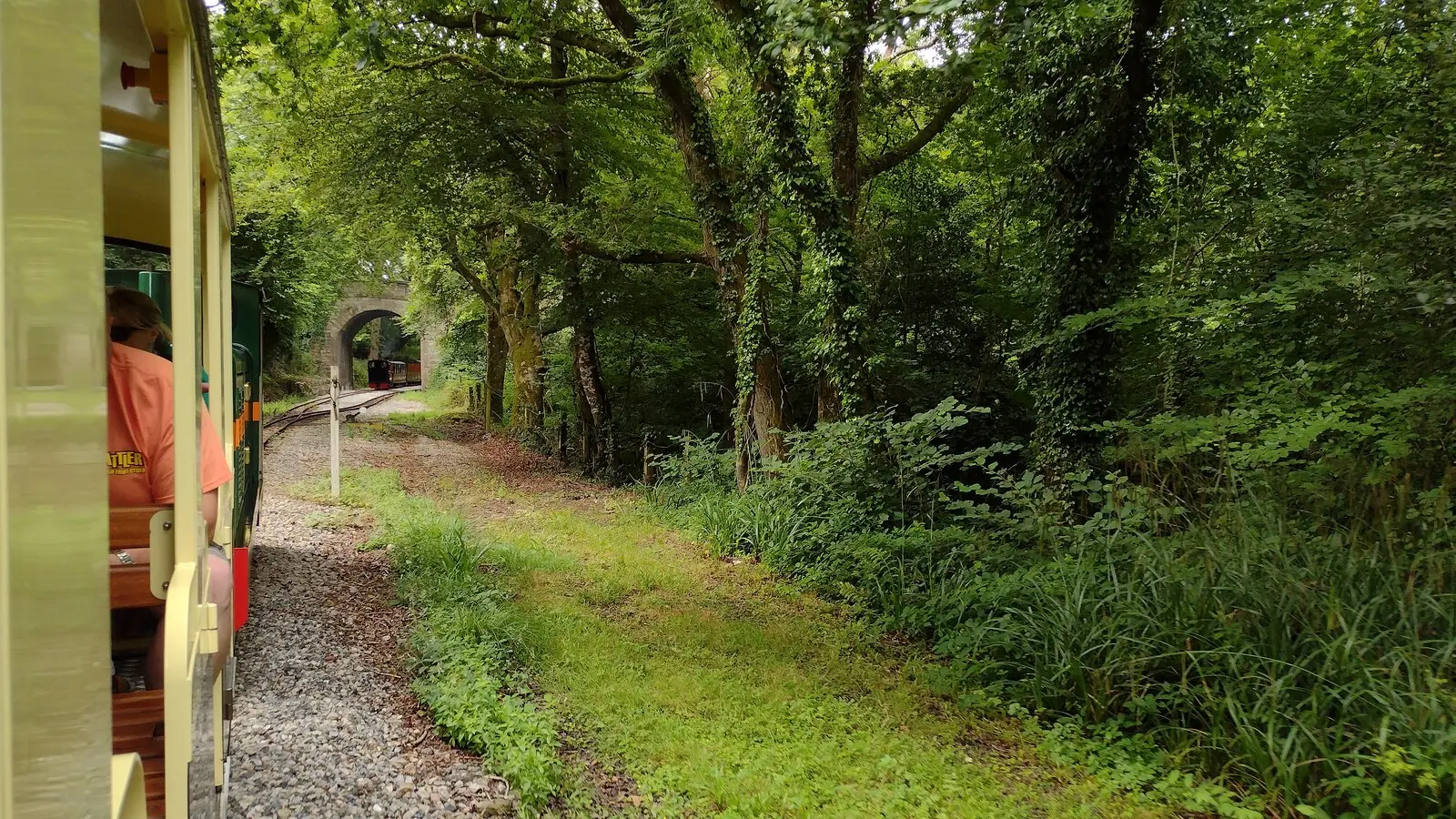
Lappa Valley Railway — narrow-gauge train running through wooded Cornish countryside.
Shaun Ferguson / Wikimedia Commons (CC BY-SA 2.0)

A narrow-gauge steam railway in a wooded valley between Newquay and Truro, and the single best morning out in Cornwall for children under six. The train itself is small — a proper miniature steam engine pulling open carriages through a mile of woodland — and the journey takes about fifteen minutes. At the far end there are boating lakes, a maze built from Cornish hedging, and a miniature golf course that's more charming than it has any right to be. The whole thing is low-key in a way that feels deliberate: no blaring music, no mascots, no hard sell at the gift shop. Children ride the train, feed the ducks, get a bit muddy, and leave happy. It runs from Easter to October; check the timetable before you go, because services are limited outside school holidays.

The details

Near Newquay · Outdoor (some cover) · Allow 2–3 hours · Small cafe · Easter to October · Check timetable

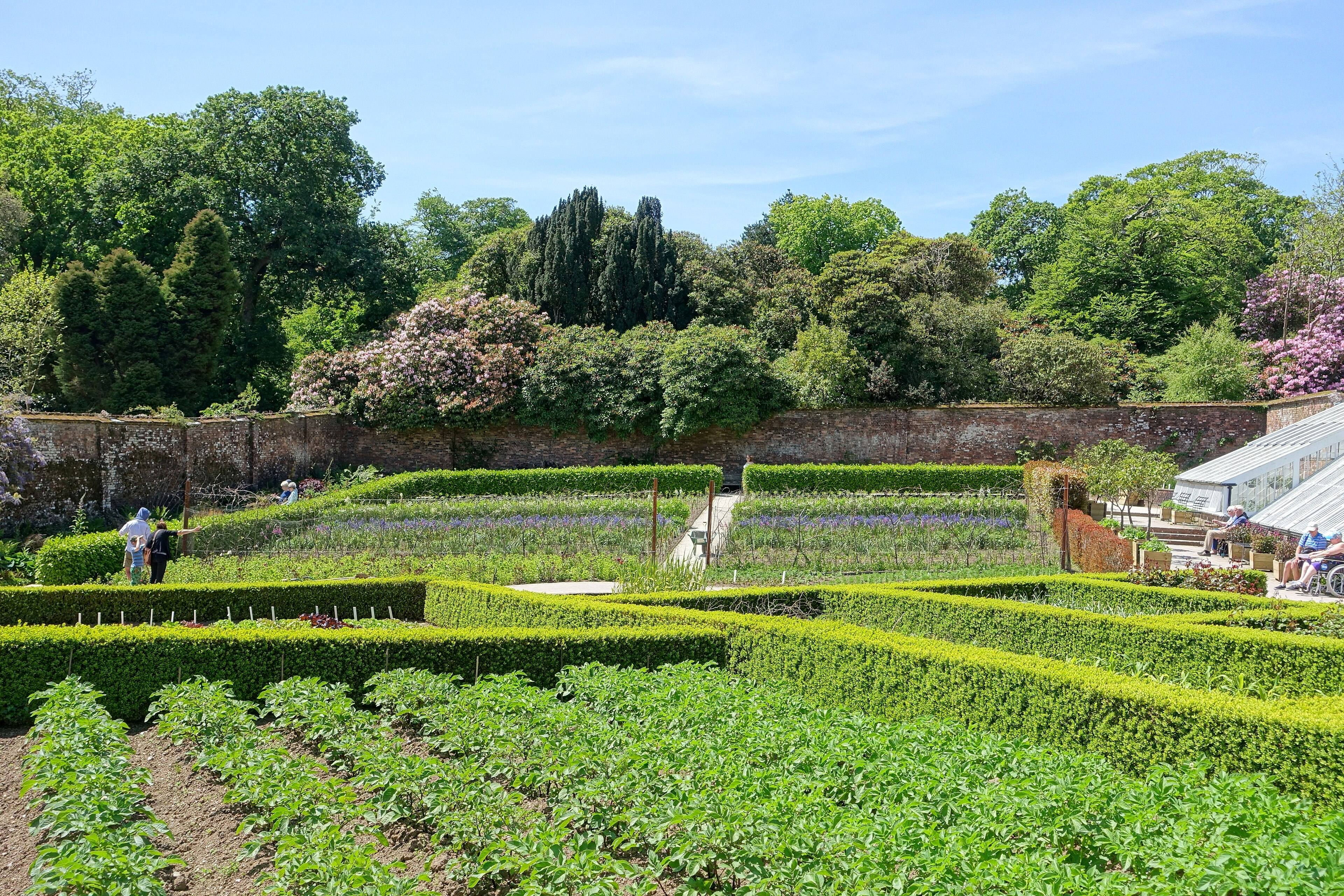
The Lost Gardens of Heligan — the restored Victorian walled garden in full bloom.
Heligan's walled garden is one of the finest productive gardens in England — restored from decades of neglect, it now grows the same varieties the Tremayne estate's head gardener tended before the First World War. Photograph · Daderot / Wikimedia Commons (CC0)

The best family days in Cornwall are the ones where you stop trying to entertain the children and start letting Cornwall do it instead.

The Lost Gardens of Heligan

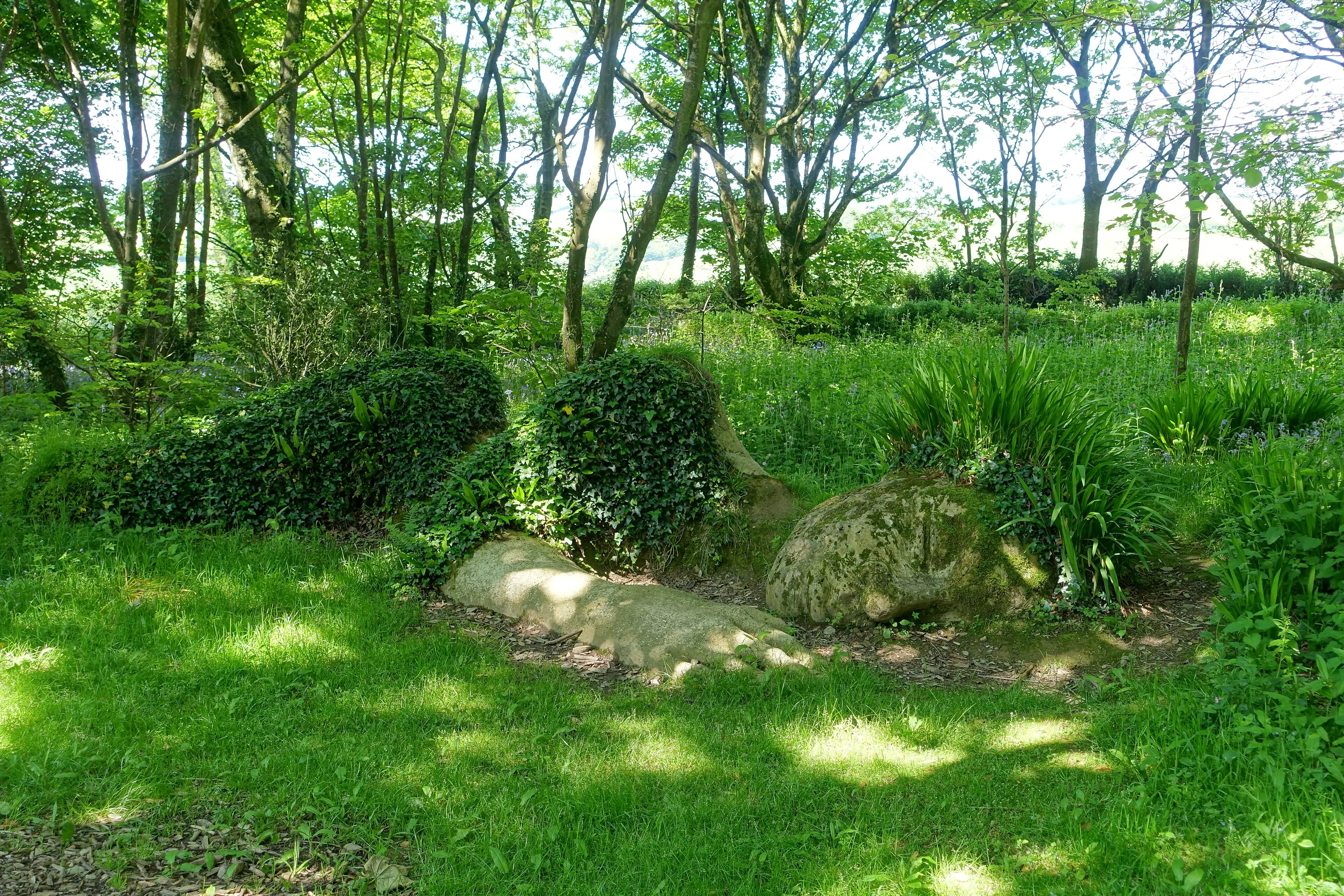
The Lost Gardens of Heligan — the Mud Maid sculpture, a sleeping figure built from earth and living plants.
Daderot / Wikimedia Commons (CC0)

A two-hundred-acre estate garden near Mevagissey that was lost under brambles for seventy years and restored to something extraordinary. Heligan's appeal to children is the jungle valley — a steep-sided ravine filled with tree ferns, banana palms, and rope bridges that feels like a Roald Dahl set piece. The Mud Maid, a sleeping sculpture built into the hillside from earth and living plants, is the thing most children want to find first. The productive gardens — the Victorian walled garden, the pineapple pit, the bee boles — are the parts that adults remember. Allow three hours and bring good shoes; the paths are steep in places and muddy after rain. There's a cafe at the entrance that serves proper food, not just flapjack.

The details

Near Mevagissey · Outdoor · Allow 3–4 hours · Cafe on site · Good shoes essential · Dogs on leads welcome

Rock pooling at Chapel Porth

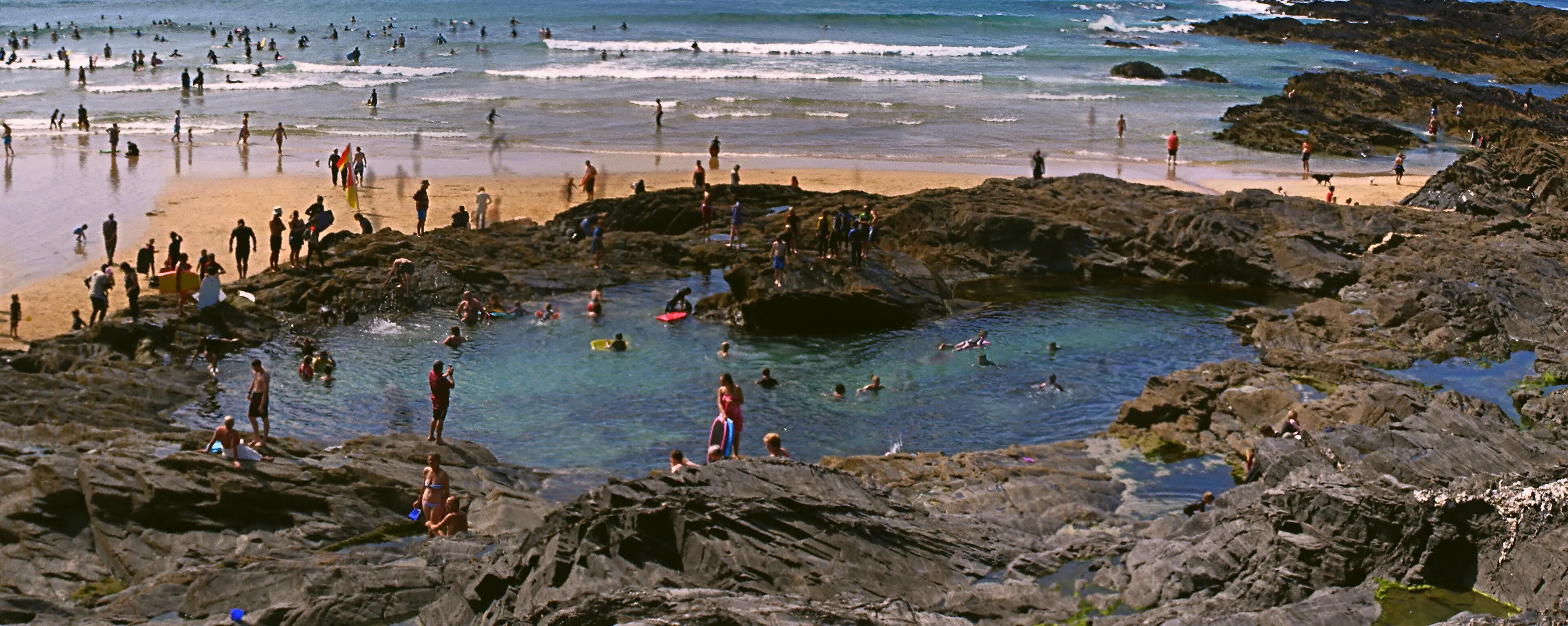
A rock pool at low tide on a Cornish beach — clear water among dark rocks, full of marine life.
Matt Prosser / Wikimedia Commons (CC BY-SA 3.0)

No admission fee, no booking, no gift shop. Rock pooling at Chapel Porth — a National Trust beach between St Agnes and Porthtowan — is the purest family activity in Cornwall: a low tide, a bucket, and an hour of crouching over shallow pools looking for crabs, blennies, anemones, and the occasional starfish. The rock shelves at Chapel Porth are wide, flat, and particularly good for younger children because the pools are shallow and the access is easy. The key is timing: you need a low spring tide, which means checking the table the night before and arriving two hours before low water. The National Trust car park at the top charges members nothing; bring towels and a change of clothes, because someone will end up in a pool.

The details

Chapel Porth, St Agnes · Free · Tide-dependent (check times) · NT car park · No cafe (ice cream van in summer) · Bring a bucket

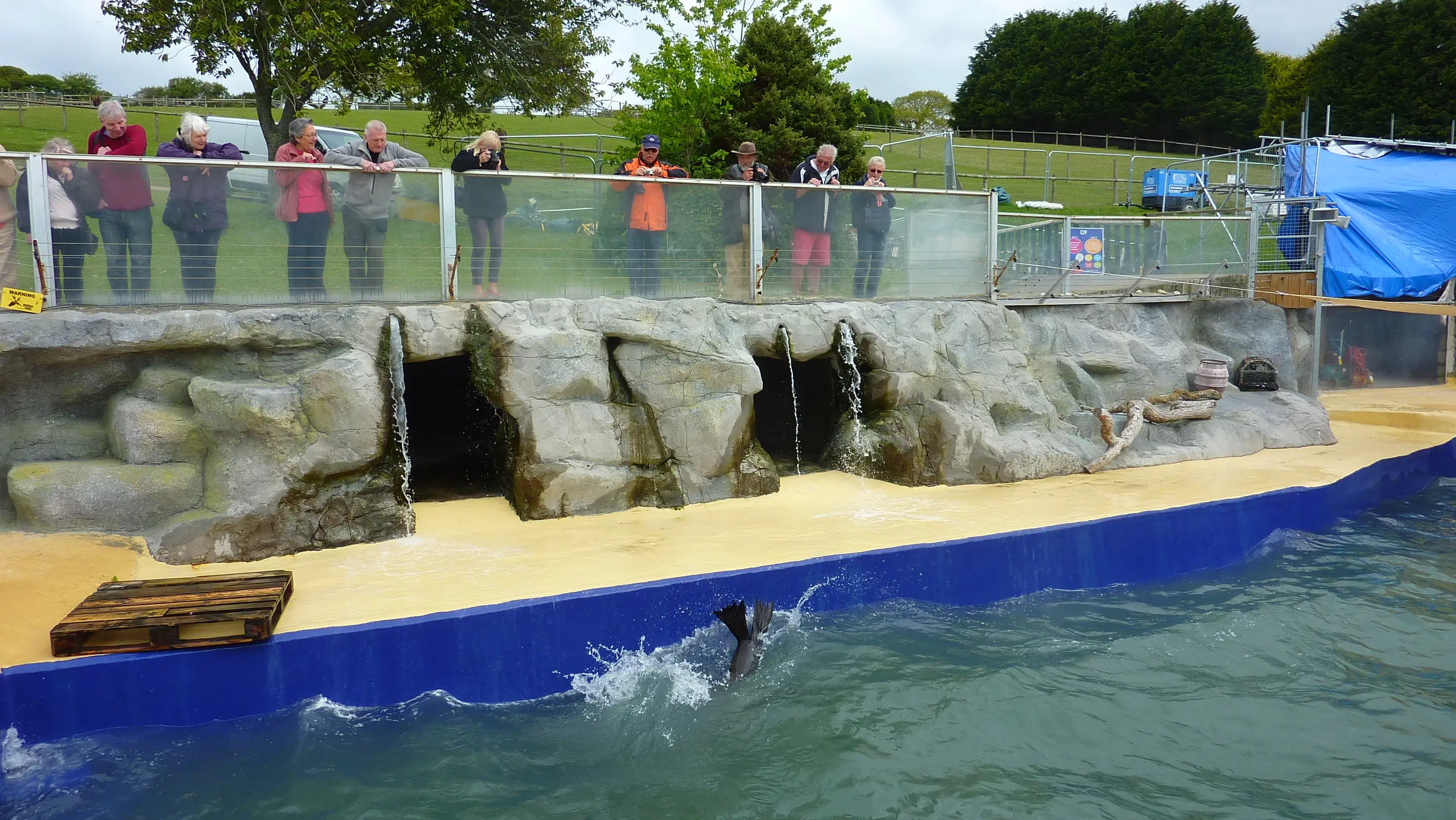
Cornish Seal Sanctuary

The Cornish Seal Sanctuary at Gweek — seal enclosure beside the Helford River.
Richard Cooke / Wikimedia Commons (CC BY-SA 2.0)

A rescue and rehabilitation centre for grey seals at the head of the Helford River, and the place where Cornwall's relationship with its coastline becomes tangible for children. The sanctuary takes in injured and orphaned seal pups from beaches along the Cornish coast, nurses them back to health, and releases them. The resident seals — the ones too injured to return to the sea — live in outdoor pools fed by tidal creek water. The feeding talks are the highlight: a keeper explaining which pup was found where, what was wrong with it, and how long until it goes back. There are also otters, penguins, and a sea lion, but the seals are the reason to come. Allow two hours. It works well as a half-day combined with a drive around the Helford estuary.

The details

Gweek, near Helston · Part-indoor · Allow 2 hours · Cafe on site · Seal feeding talks daily · Open year-round

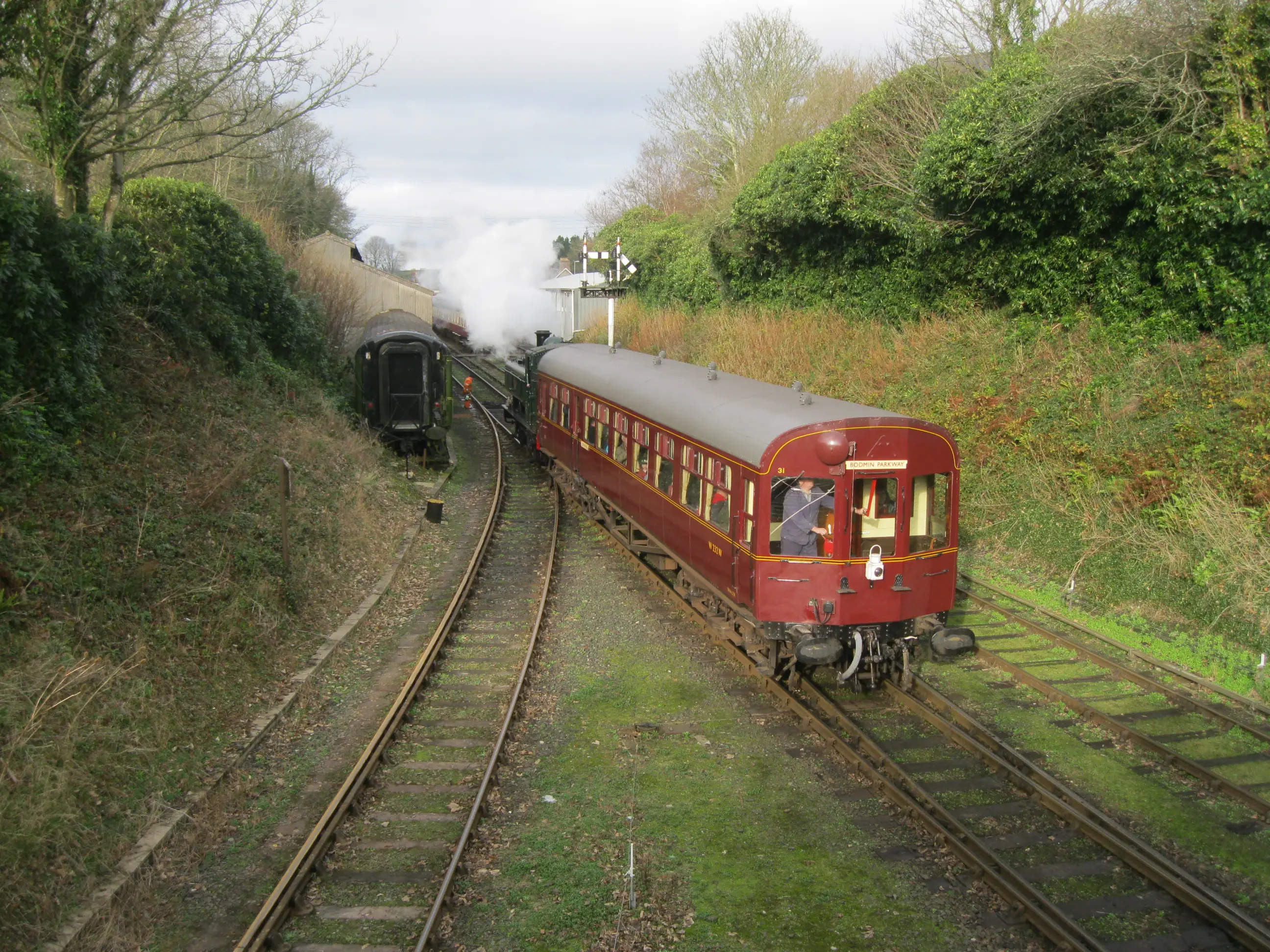
Bodmin & Wenford Railway

A GWR pannier tank locomotive with autocoach on the Bodmin & Wenford Railway.
Andrew Bone / Wikimedia Commons (CC BY 2.0)

A full-sized heritage steam railway running six and a half miles from Bodmin General to Boscarne Junction, through the kind of quiet, green Cornish countryside that the coast path never shows you. This is a proper railway — Great Western tank engines pulling mark-one coaches along a branch line that closed in the 1960s and was rebuilt by volunteers. Children who have outgrown the miniature scale of Lappa Valley will find this more convincing: the engine is loud, the carriages are real, and the whistle at level crossings is the kind of noise that ends up in stories told for years. The Camel Trail crosses the line at Boscarne Junction, which makes for a good combination day — train one way, cycle or walk back. Services run weekends year-round and daily in summer.

The details

Bodmin · Outdoor · Allow 2 hours · Cafe at Bodmin General · Connects with Camel Trail · Check timetable

Planning a family week in Cornwall

The rhythm that works best is beach day, activity day, beach day. Two days of attractions back-to-back exhausts everyone, and three beach days in a row exhausts the parent who has to keep producing dry towels. Mix one big-ticket attraction (Eden, Tintagel, Heligan) with one low-key option (rock pooling, the steam train, a walk) and leave at least one day with no plan at all. Children in Cornwall have a way of finding their own entertainment — a harbour wall, a crabbing line, a stream running across a beach — and the best family holidays are the ones where the adults stop scheduling and start sitting down.

If the weather turns — and it will turn, probably on Tuesday — Eden and the Maritime Museum are the two options that genuinely improve in the rain. The Seal Sanctuary works in drizzle. Everything else on this list is better in dry weather, so check the forecast the night before and swap days around if you need to. Cornwall rewards flexibility more than it rewards planning.

Stay with the family

A farmhouse near Heligan, sleeps six

Between Mevagissey and the Lost Gardens, ten minutes from the beach at Gorran Haven — a working farm with space for children to run, and the quiet that a holiday cottage in a tourist village doesn't give you.

From £595 / week shoulder season · £1,150 peak

See dates on Sykes

AllCornwall may earn a commission on this link — it never affects the price you pay.