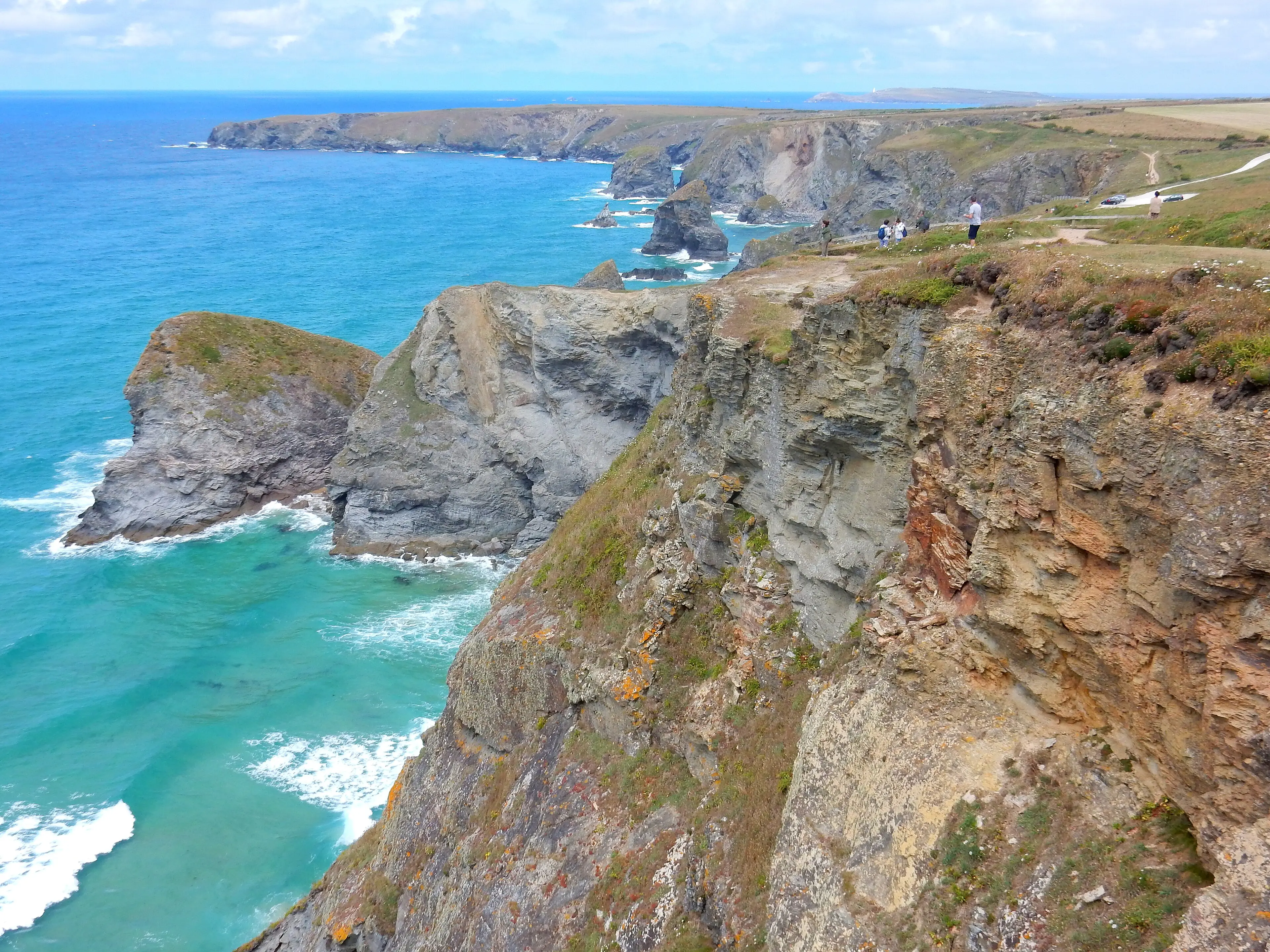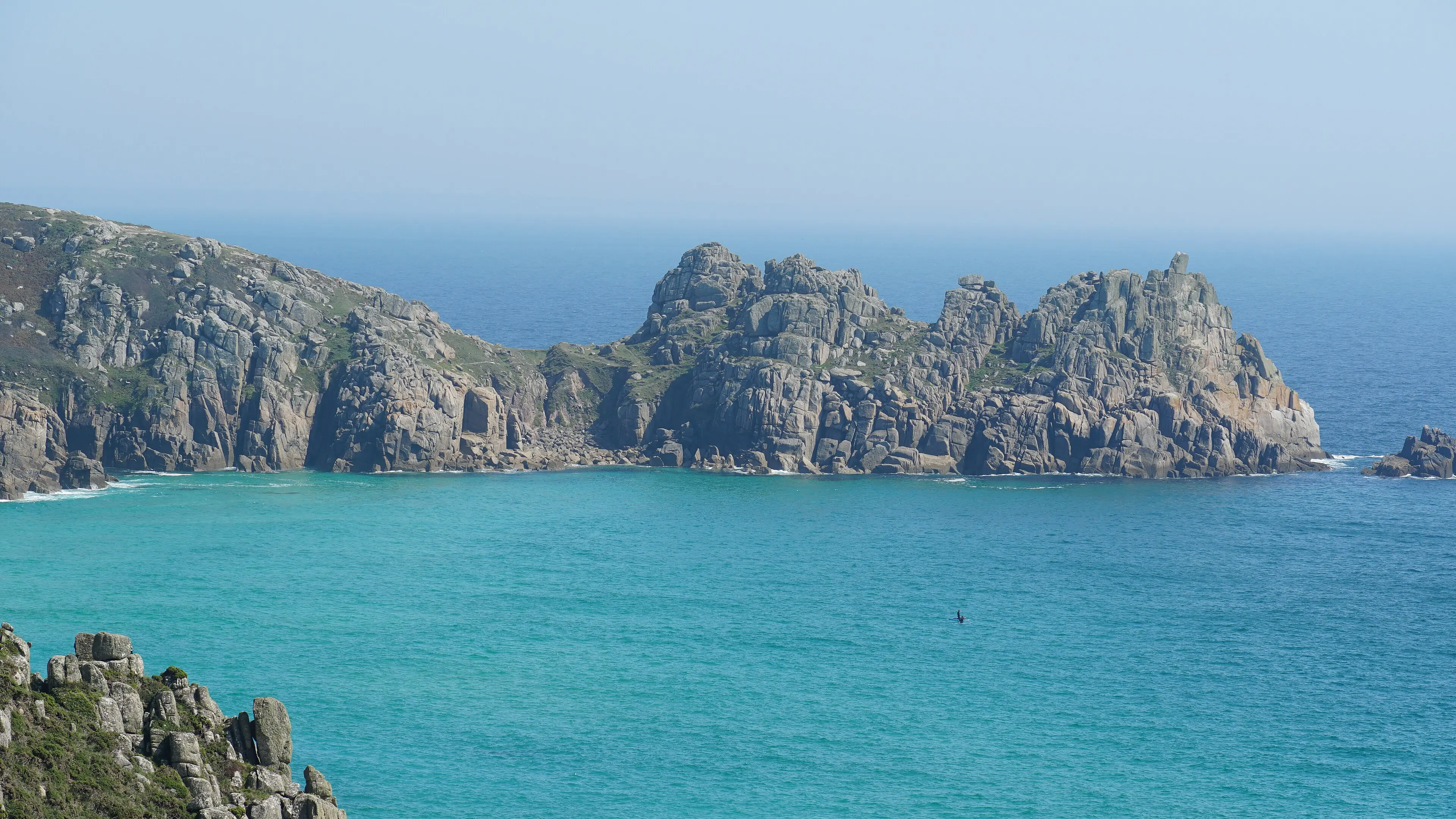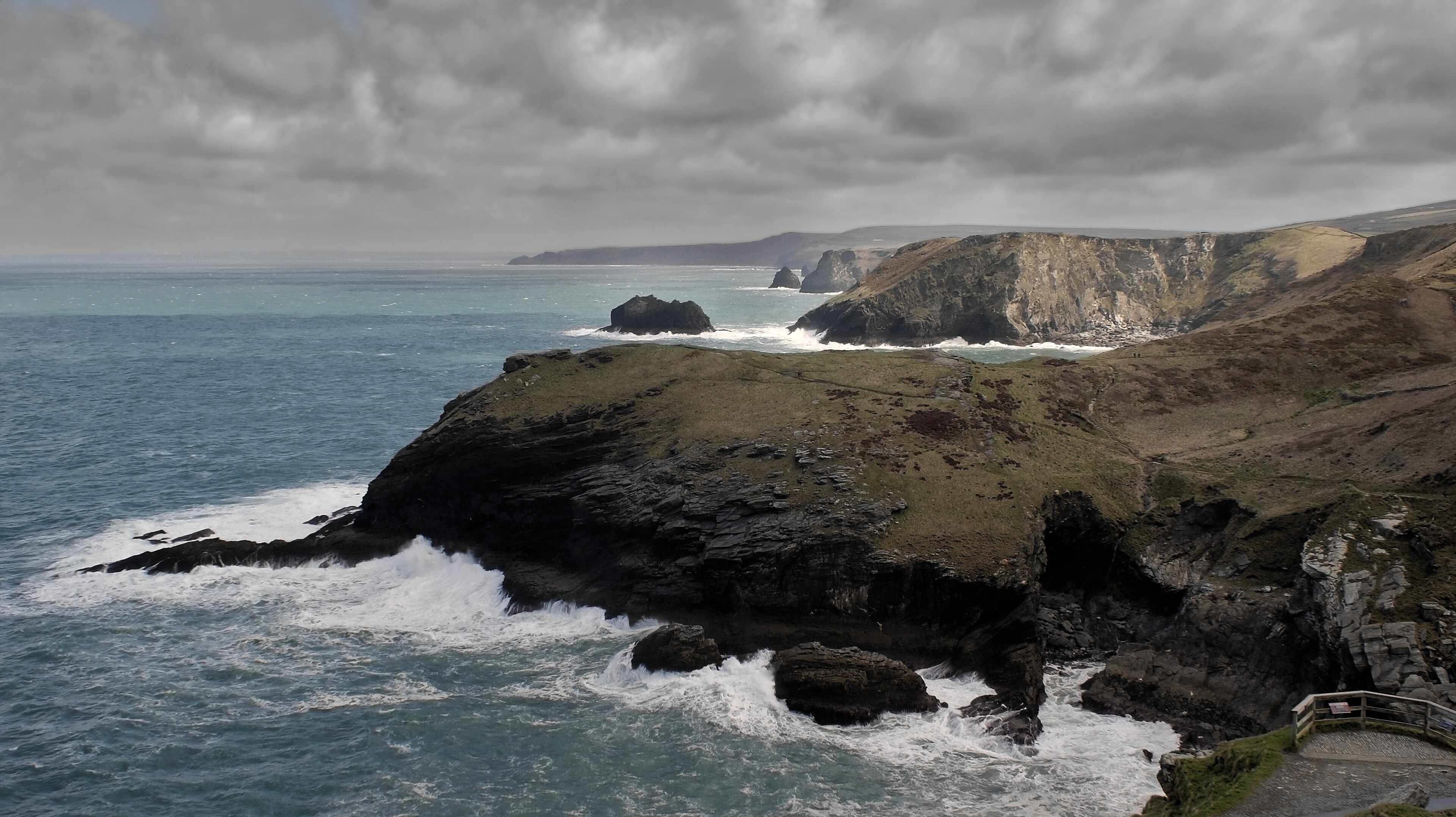
A panoramic view of the Cornish coastline — turquoise water, dramatic cliffs, and the kind of light that makes you stop the car.

Cornwall · First visit

Three days in Cornwall — the itinerary for people who plan.

South coast, north coast, and the far west. Everything you need, nothing you don't.

Photograph — Terragio67 / CC BY-SA 4.0

The honest version

Most Cornwall itineraries try to squeeze in everything and end up being a list of car parks. Three days is not enough to see all of Cornwall — it takes weeks to do that properly — but it is enough to understand what makes the place extraordinary, if you choose your stops carefully and resist the temptation to tick off every headland. What follows is an itinerary built on one principle: spend time in places, not driving between them. Each day is anchored to a different part of Cornwall, with two or three stops close enough together that you're never in the car for more than forty minutes.

Cornwall is long and thin — about eighty miles from the Tamar Bridge to Land's End — and the roads are slow. The single biggest mistake first-time visitors make is underestimating journey times and spending their holiday staring at the back of a caravan on the A30. This itinerary is designed to avoid that. Day one stays on the south coast, day two crosses to the north, and day three heads west to the dramatic peninsula beyond Penzance. You'll see harbours, beaches, gardens, cliffs, a working fishing town, the best theatre in England, and a castle on an island — and you'll do it without ever feeling rushed.

A note on timing: this itinerary works best from May to September, when the days are long enough to fit everything in and the attractions are open. In winter, shorten each day and check opening times — several stops are seasonal. In high summer (mid-July to late August), add thirty minutes to every driving estimate and book restaurants ahead. Cornwall in August is beautiful but busy; the shoulder months are better for a first visit if you have the choice.

Day 1 — The south coast

The south coast is Cornwall's quieter, gentler side — wooded estuaries, sheltered harbours, and the kind of light that painters have been chasing for centuries. Today you'll explore a historic harbour town and one of the world's most remarkable gardens.

Fowey

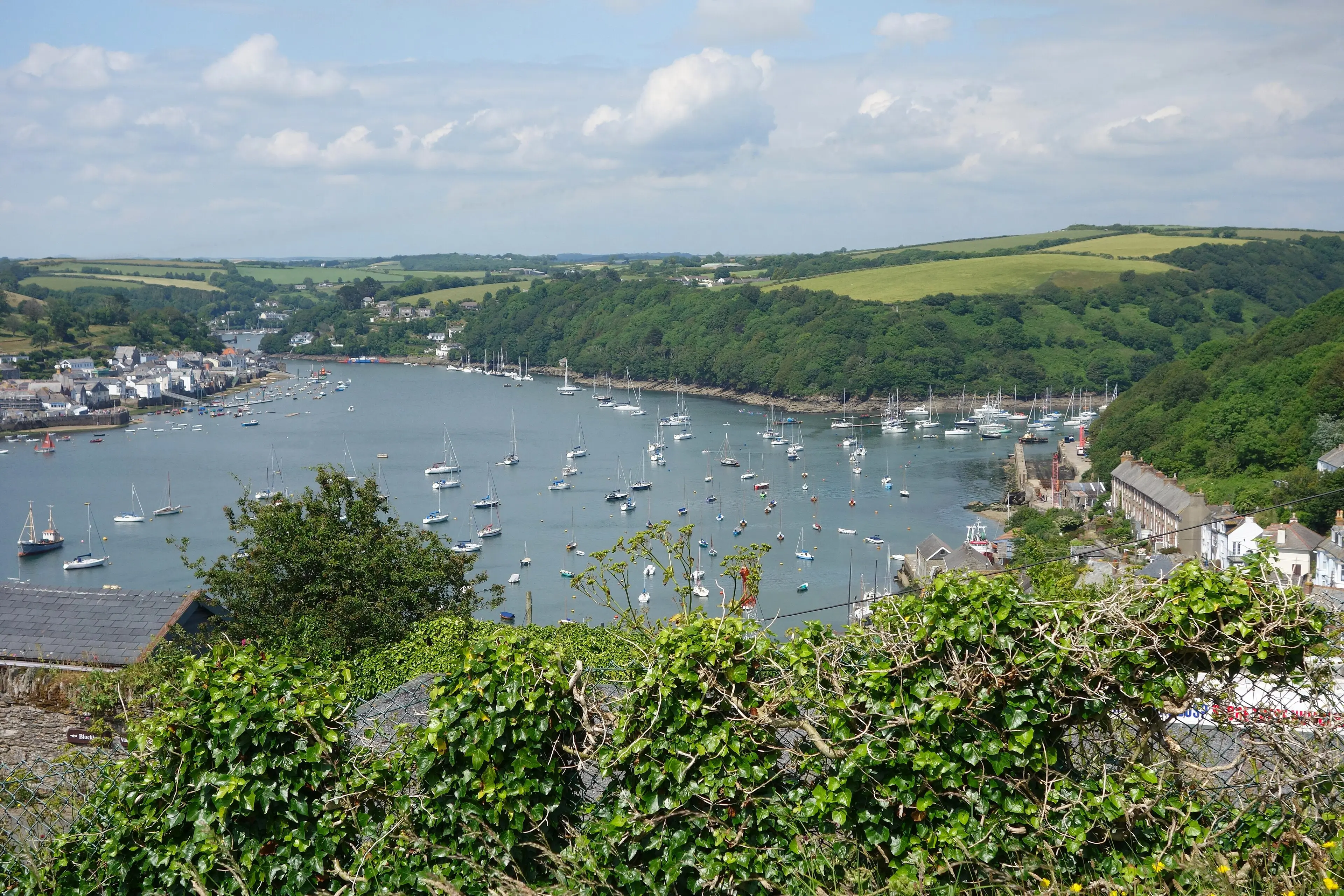
Fowey harbour — colourful houses climbing the hillside above the deep-water estuary, sailing boats at anchor.
Peter Jeffe / CC BY-SA 2.0

Start your Cornwall trip on the south coast, where the pace is slower and the landscape softer. Fowey (pronounced Foy) is a harbour town on a deep-water estuary that has been welcoming ships since the medieval wool trade. Daphne du Maurier lived here and set several novels in the surrounding landscape — her writing room looked out over the water. The town is small enough to explore in a morning: walk the narrow streets, browse the bookshops (Bookends of Fowey is excellent), have a coffee on the quay, and watch the boats come and go. If you have time, take the passenger ferry across to Polruan and walk the Hall Walk — a circular route along the estuary that takes about ninety minutes and offers some of the best views in south Cornwall. Lunch at Sam's on the Beach (fish and seafood, harbourside) or grab a pasty and eat it on the Town Quay.

Morning · 2-3 hours

Arrive 9am · Park at main car park (£) · Explore harbour · Bookends bookshop · Coffee on quay · Optional: Hall Walk (90 mins) · Lunch at Sam's or pasty on quay
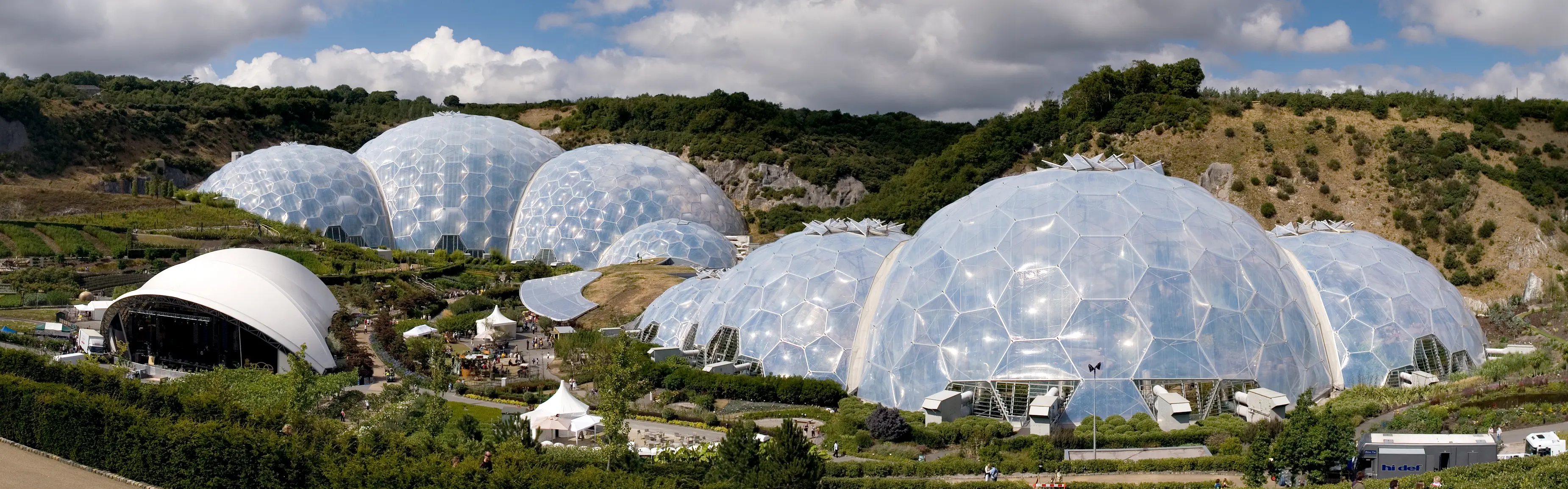
Eden Project

The Eden Project's biomes — vast geodesic domes nestled in a former clay pit, with tropical and Mediterranean gardens inside.
Jürgen Matern / CC BY-SA 2.5

Twenty minutes north of Fowey, the Eden Project is Cornwall's most visited attraction and one of the few that genuinely justifies the entrance fee. Built in a reclaimed china clay pit, it houses two enormous biomes — one tropical (hot, humid, and full of rainforest plants), one Mediterranean (warm, dry, and fragrant with lavender and olives) — plus extensive outdoor gardens. It's an education in global ecology disguised as a day out, and it's considerably more interesting than it sounds in summary. Allow two to three hours. The outdoor gardens are excellent in their own right, and the viewing platform above the biomes gives you the best perspective on the scale of what Tim Smit and his team achieved. Book tickets online in advance — it's cheaper and avoids the queue. If you're visiting on a summer evening, check whether the Eden Sessions (outdoor concerts) coincide with your trip.

Afternoon · 2-3 hours

20 mins from Fowey · Book online (£32 adult) · Allow 2-3 hours · Two biomes + outdoor gardens · Cafe on site · Evening: Eden Sessions in summer

Day 2 — The north coast

The north coast is the dramatic one — Atlantic waves, towering cliffs, and the kind of wild energy that makes people fall in love with Cornwall. Today takes you from Padstow's harbour to the most spectacular cliff formation on the coast, ending in St Ives for the evening.

Padstow

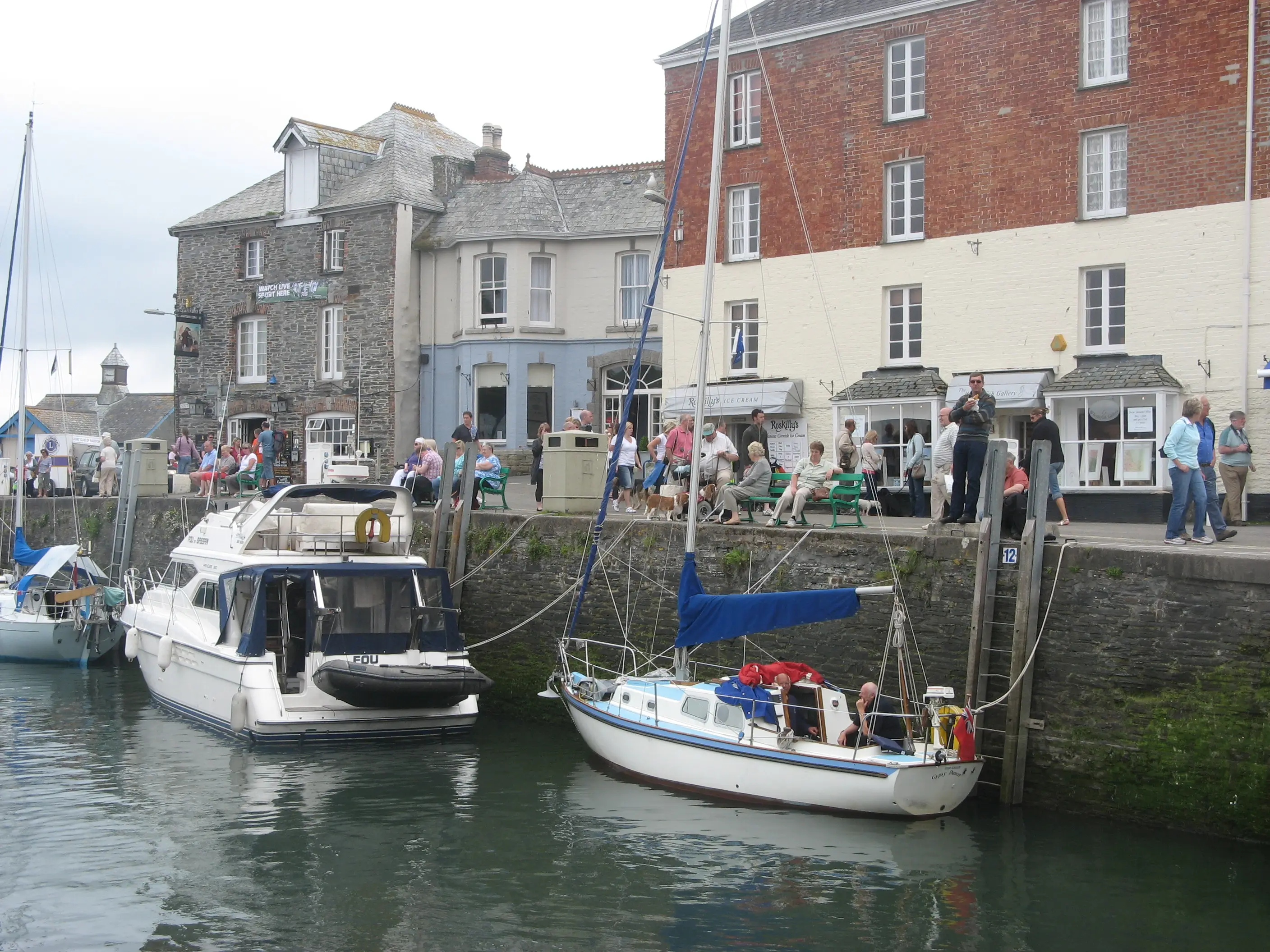
Padstow harbour — fishing boats moored in the estuary, with the town's restaurants and shops behind.
Colleen Robinson / CC BY-SA 2.0

Padstow is Cornwall's food town. Rick Stein put it on the map in the 1980s with his seafood restaurant, and the town has since accumulated enough good eating to fill a week, let alone a morning. Start with a walk around the harbour — it's a working port, with fishing boats landing crab and lobster that ends up on restaurant plates the same evening. Browse the shops on Market Place and Duke Street (the Padstow Christmas Festival shop is open year-round; there are several good galleries). For lunch, the choice is enormous: Stein's Fish & Chips for a quick harbourside meal, Prawn on the Lawn for seafood tapas, or Paul Ainsworth at No. 6 if you've booked ahead and want something more refined. Alternatively, take the Black Tor ferry across the estuary to Rock and have lunch at the Mariners — Nathan Outlaw's pub, which serves some of the best food in Cornwall at pub prices.

Morning · 2-3 hours

Arrive 9:30am · Harbour car park (£, fills early) · Harbour walk · Shops and galleries · Lunch: Stein's, Prawn on the Lawn, or ferry to Rock for The Mariners

Bedruthan Steps

Bedruthan Steps — massive sea stacks rising from a wide sandy beach, one of Cornwall's most dramatic coastal views.
CharmaineZoe / CC BY 2.0

Thirty minutes south of Padstow, Bedruthan Steps is the single most dramatic coastal view in Cornwall. Enormous sea stacks — some sixty feet high — stand in a wide sandy beach below cliffs that glow orange in the afternoon light. The National Trust car park at the cliff top has a cafe and a viewing platform that gives you the full panorama without any effort. If you want to reach the beach, there's a steep staircase cut into the cliff — it's manageable but not easy, and the beach is inaccessible at high tide (check times before descending). The coast path in both directions is superb — south towards Mawgan Porth or north towards Park Head. Allow forty-five minutes for the viewpoint and car park, longer if you descend to the beach or walk the coast path. This is the view that appears on every Cornwall guidebook cover, and for once the reality exceeds the photograph.

Afternoon · 1-2 hours

30 mins from Padstow · NT car park (£) · Cliff-top cafe · Viewing platform · Optional: stairs to beach (tide-dependent) · Coast path walks

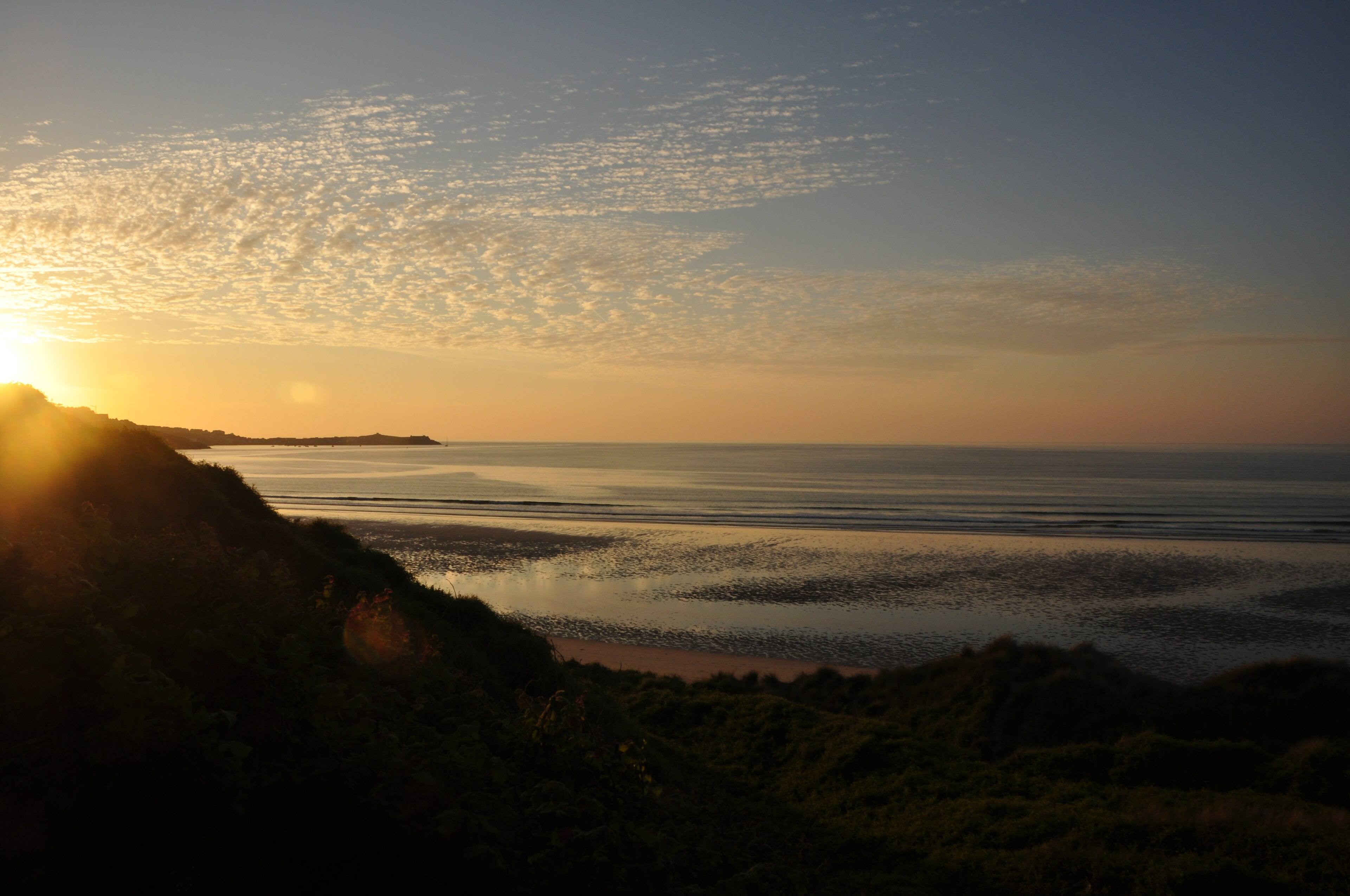
Evening light on the Cornish coast — golden hour turning the cliffs warm, the sea calm, and the sky soft pink.
The golden hour on Cornwall's coast — the light that makes photographers and painters lose all sense of time. Plan your evening around it. Photograph · Lewis Clarke / CC BY-SA 2.0

Three days is not enough to see all of Cornwall — it takes weeks to do that properly — but it is enough to understand what makes the place extraordinary, if you choose your stops carefully.

St Ives

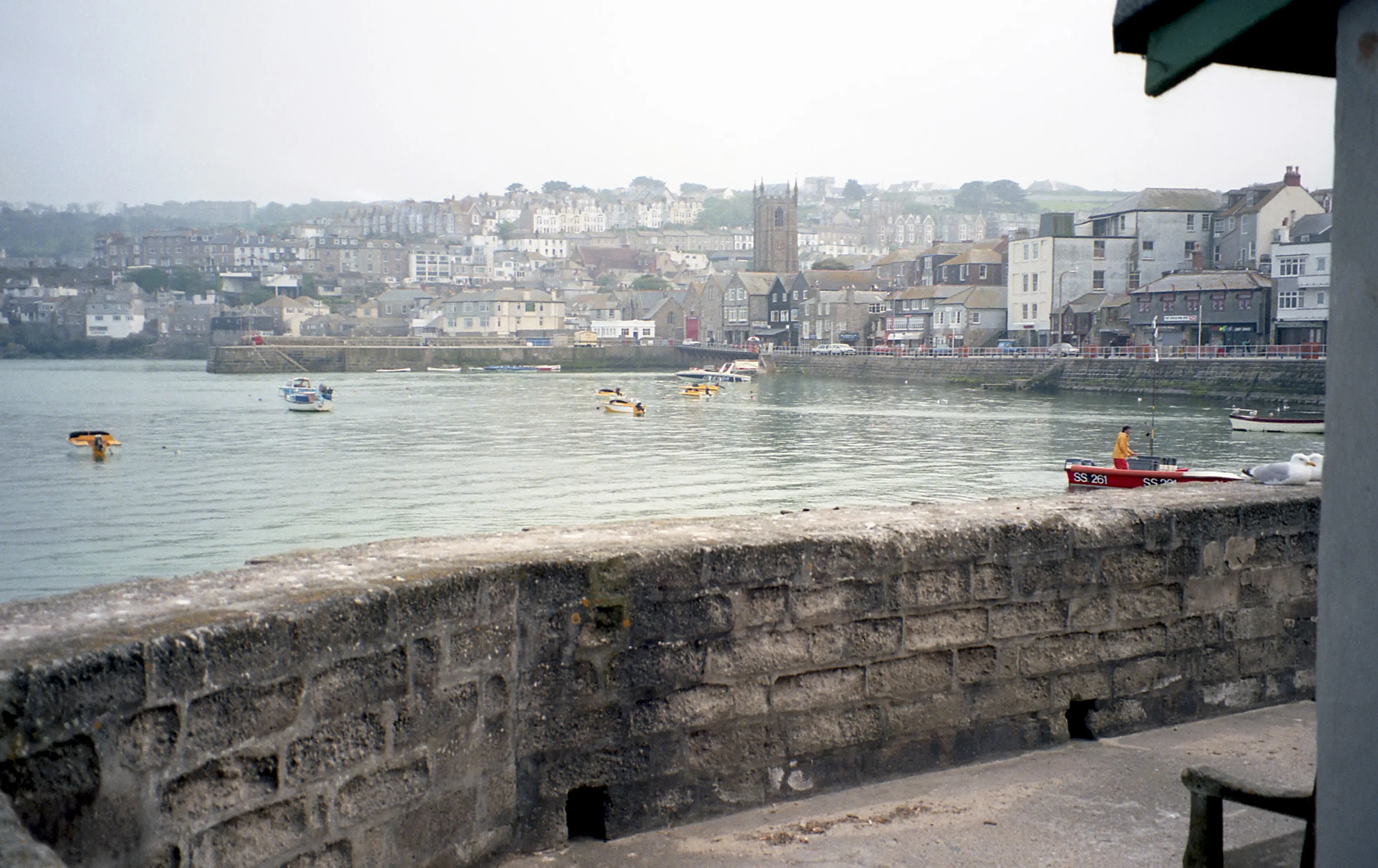
St Ives harbour at golden hour — the curving harbour wall, pastel-painted cottages, and the light that attracted generations of artists.
Robert Linsdell / CC BY 2.0

End day two in St Ives, forty minutes southwest of Bedruthan. Arrive in the late afternoon, when the crowds thin and the light turns golden — this is when St Ives is at its best. The town is a maze of narrow lanes (called "opes") that wind between granite cottages down to the harbour, where the fishing fleet still operates alongside the tourist boats. The Tate St Ives, on Porthmeor Beach, is worth an hour — the collection focuses on the artists who worked here (Barbara Hepworth, Ben Nicholson, Patrick Heron) and the building itself is beautiful. Walk to the Barbara Hepworth Museum and Sculpture Garden for the finest small gallery in Cornwall. For dinner, Porthminster Beach Cafe is outstanding (Mediterranean-influenced seafood, terrace overlooking the bay — book ahead) or try the Rum & Crab Shack for something more casual. Stay the night in St Ives or drive back to your base — it's worth staying if you can.

Evening · 2-3 hours

Arrive 4-5pm · Park-and-ride from Lelant Saltings (avoid town parking) · Tate St Ives · Hepworth Museum · Harbour walk · Dinner: Porthminster Cafe or Rum & Crab Shack

Day 3 — The far west

The western tip of Cornwall is where the landscape becomes truly elemental — granite cliffs, open moorland, and the sense of being at the edge of the land. Today takes you to an open-air theatre, a legendary beach, and a castle on a tidal island.

Minack Theatre

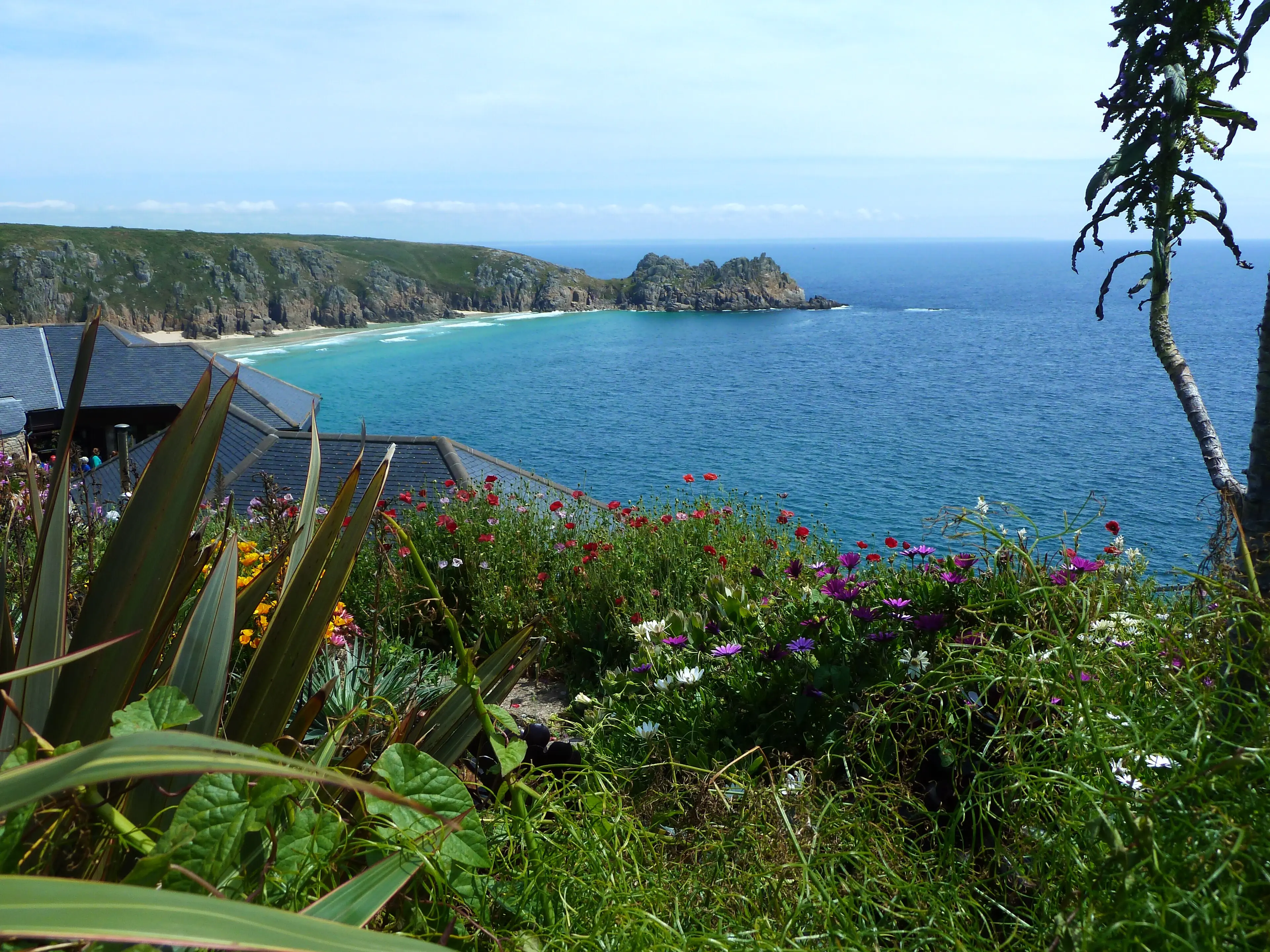
The Minack Theatre — an open-air amphitheatre carved into the granite cliffs above Porthcurno, with the Atlantic as backdrop.
Worm That Turned / CC BY-SA 3.0

The Minack is an open-air theatre carved into the granite cliffs above Porthcurno, four miles from Land's End. It was built by one woman — Rowena Cade — starting in the 1930s, and it's one of the most remarkable places in England. The stage is a natural shelf of rock with the Atlantic Ocean as a backdrop. If you're visiting between May and September, check the performance schedule and try to see a show — watching a play as the sun sets over the sea is an experience that stays with you. Even without a performance, the theatre is open to visitors during the day (£7.50 adult) and the gardens are beautiful — exotic plants growing in the shelter of the cliff, with views along the coast to Logan Rock and the Lizard. Allow an hour for the visit, more if you linger in the gardens. The exhibition in the visitor centre tells Rowena Cade's extraordinary story and is worth ten minutes of anyone's time.

Morning · 1-1.5 hours

4 miles from Land's End · Open daily May-Sep · Performances most evenings in season · £7.50 visitor entry · Subtropical gardens · Cliff-top car park (£)

Porthcurno

Porthcurno beach — white sand, turquoise water, and the granite cliffs of the Minack headland. One of Cornwall's most beautiful beaches.
Mycreativesideunleashed / CC BY-SA 4.0

Directly below the Minack Theatre, Porthcurno is routinely voted one of the best beaches in the UK, and for once the superlative is deserved. The sand is white (crushed shells, not the golden quartz of most Cornish beaches), the water is an improbable turquoise, and the cliffs on either side frame the view like a natural amphitheatre. Swim if you're brave — the water is clear but cold, even in August. At low tide you can walk around the headland to the Logan Rock, a seventy-ton rocking stone that was famously dislodged by a Royal Navy lieutenant in 1824 and had to be replaced at his own expense. The beach car park is small and fills early in summer — arrive before 10am or walk down from the Minack car park above. There's no cafe on the beach (the nearest is at the Minack), so bring water. This is the view you'll remember from your Cornwall trip.

Midday · 1-2 hours

Below Minack Theatre · White sand · Turquoise water · Small car park (arrives early) · Walk to Logan Rock at low tide · No beach facilities · Swim at own risk

St Michael's Mount

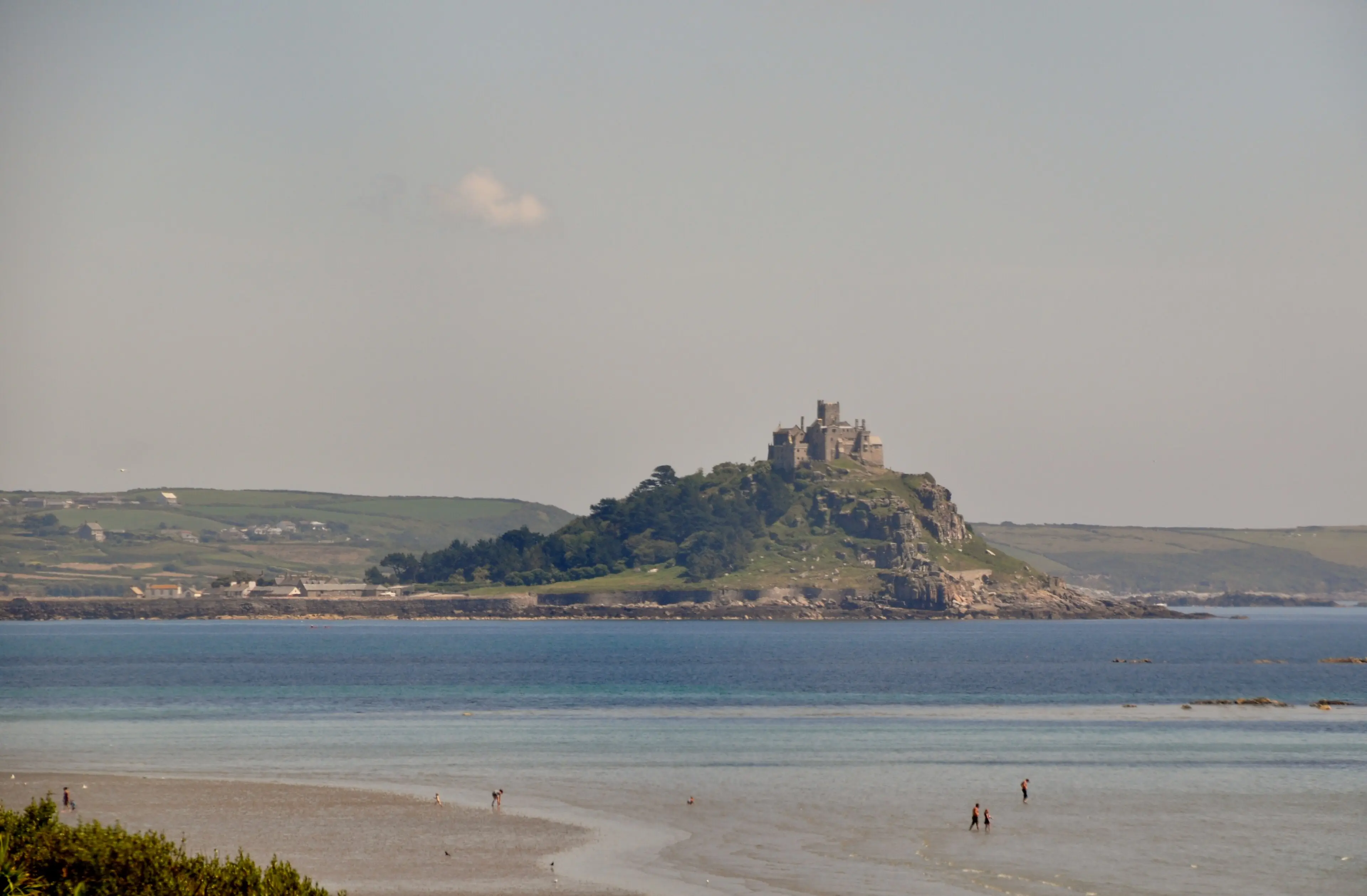
St Michael's Mount — the castle on its tidal island in Mount's Bay, connected to Marazion by a granite causeway at low tide.
Lewis Clarke / CC BY-SA 2.0

End your three days at the most iconic landmark in Cornwall. St Michael's Mount is a tidal island in Mount's Bay, crowned by a medieval castle and a subtropical garden, connected to the mainland village of Marazion by a granite causeway that's only passable at low tide. At high tide, a small boat ferries visitors across (£2.50). The castle has been home to the St Aubyn family since the seventeenth century, and the interior is a mix of medieval great hall, Victorian drawing rooms, and a remarkable collection of arms and armour. The gardens, clinging to the steep south face of the island, are extraordinary — Mediterranean plants thriving in the Gulf Stream microclimate, with views across the bay to Penzance and the Lizard. Allow two hours for the castle and gardens. The walk across the causeway at low tide is part of the experience — cobblestones worn smooth by centuries of pilgrims and traders, with the castle growing larger with every step. It's the perfect final image of Cornwall.

Afternoon · 2-3 hours

Marazion · Causeway at low tide / boat at high tide (£2.50) · Castle + gardens (NT, £) · Allow 2 hours · Large car park at Marazion · Cafes in village · Check tide times

Find your base

A cottage with a view

The best base for a three-day Cornwall trip is somewhere central enough to reach both coasts without a long drive — a Truro townhouse, a Falmouth waterfront flat, or a clifftop cottage on the Roseland. Wake up to the view, plan your day over coffee, and come home to somewhere that feels like it belongs to you.

Browse Cornwall holiday cottages

AllCornwall may earn a commission on this link — it never affects the price you pay.