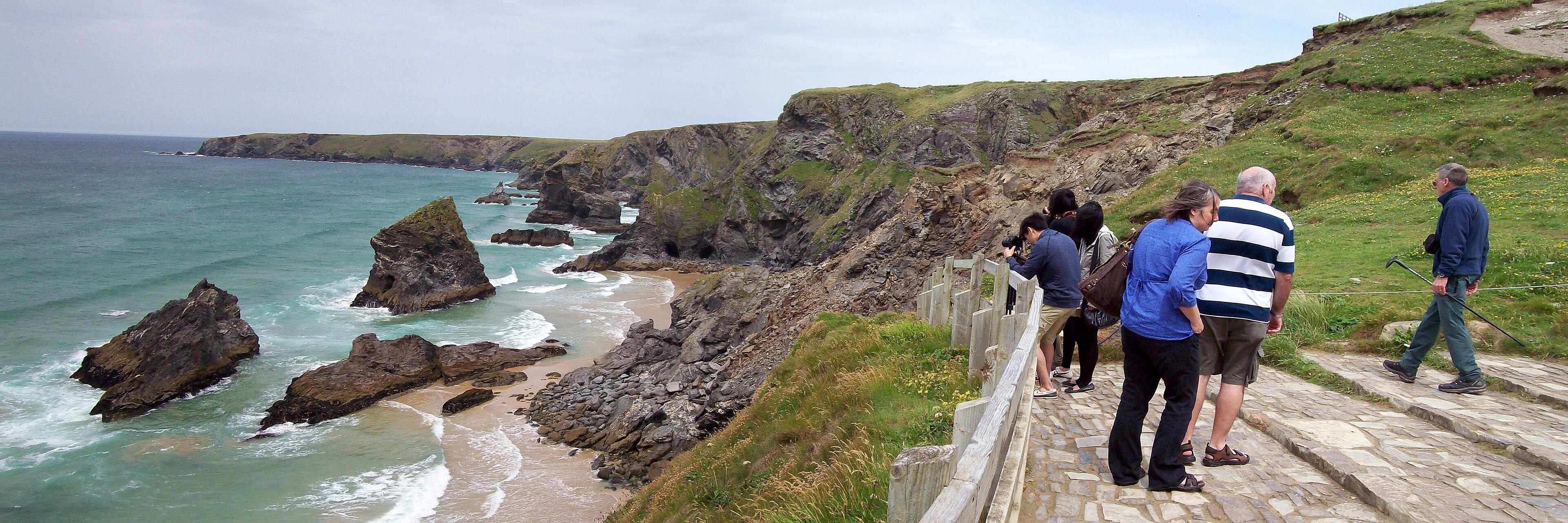
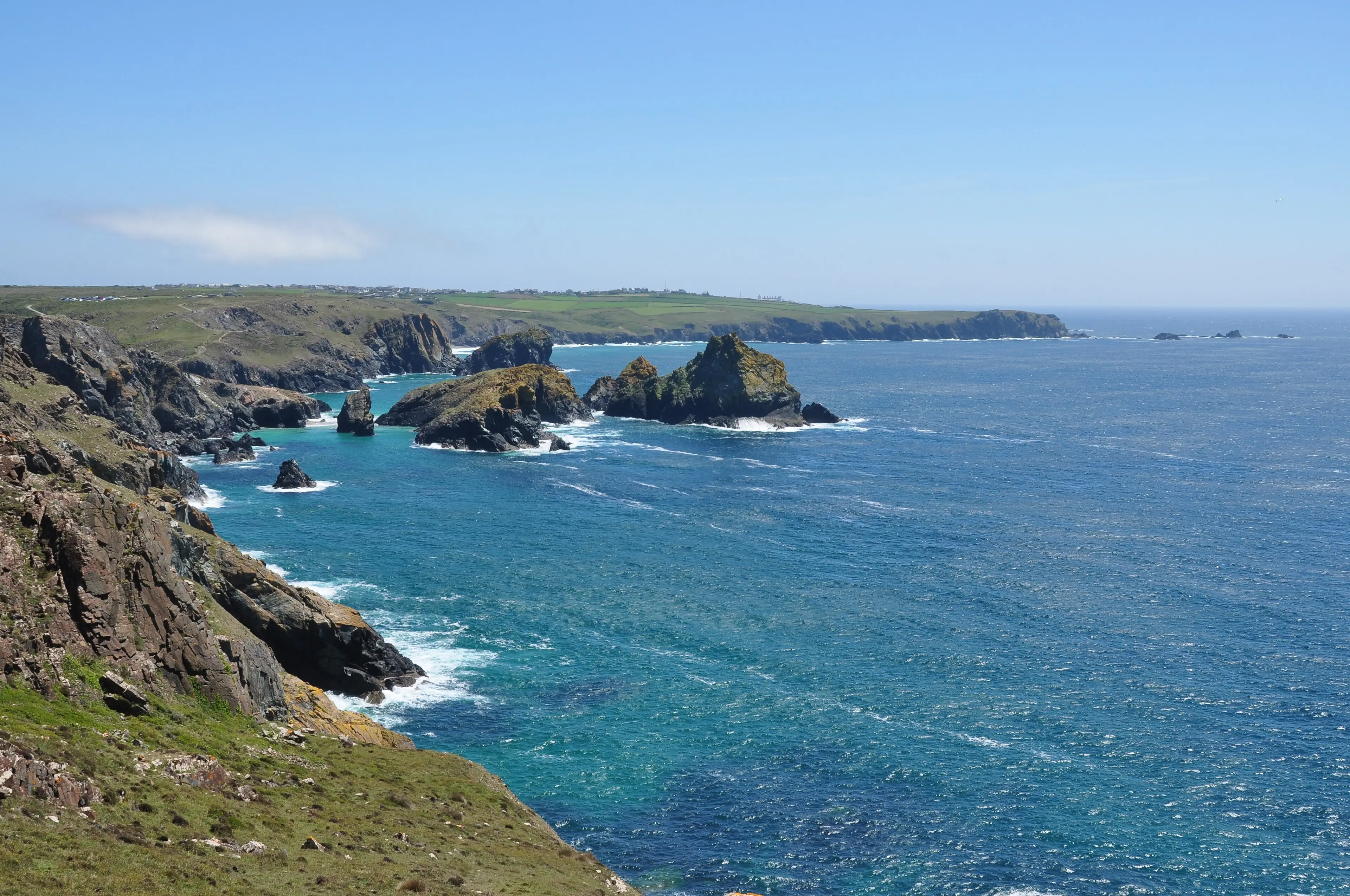
Bedruthan Steps on the north Cornwall coast — dramatic rock stacks and moody winter skies.

Cornwall · Off-season

Cornwall in winter.

Quieter, cheaper, and more dramatic than summer — this is the season the locals prefer.

Photograph — Len Williams / CC BY-SA 2.0

The other Cornwall

Most visitors come to Cornwall between June and September. They queue on the A30, compete for parking, and pay peak prices for a cottage that might be half the cost in February. Winter Cornwall is a different place — emptier, wilder, and in many ways more honest. The light is lower and more beautiful. The beaches belong to dog walkers and surfers. The restaurants have tables. And the storms, when they come, are some of the most spectacular free entertainment in England.

The case for visiting Cornwall in winter is partly financial and partly atmospheric. A week in a good cottage in January costs what three nights costs in August. The beaches that are standing-room-only in summer are empty on a Tuesday in November, and the coast path — impossibly crowded between Padstow and Port Isaac in July — is yours alone except for the odd farmer and a lot of jackdaws. But the real argument is the quality of the experience. Cornwall's landscape was built for drama, and drama needs weather. A flat calm turquoise sea is beautiful. A forty-foot swell hitting the cliffs at Porthleven in a force-eight westerly is unforgettable.

What follows is not a survival guide for bad weather — the rainy-day guide covers that. This is a case for making winter the point of the trip. Eight places and experiences that are as good or better in the off-season as they are in summer, and a few practical notes on making it work.

Storm-watching on the north coast

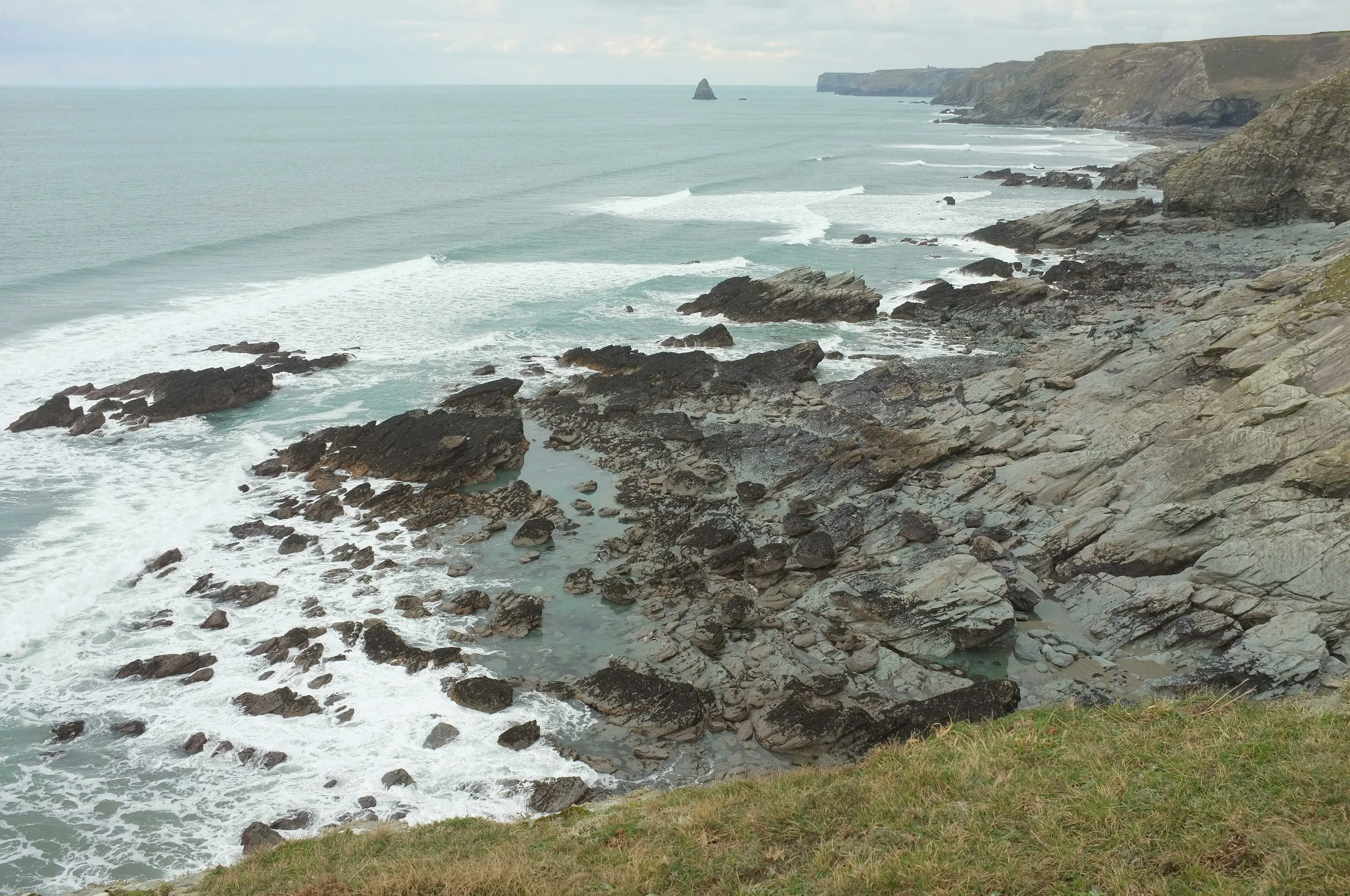
Waves breaking against the wave-cut platform at Jacket's Point on the north Cornwall coast.
Derek Harper / CC BY-SA 2.0

Between November and February, the Atlantic sends long-period swells across three thousand miles of open ocean and they hit Cornwall's north coast with extraordinary force. The best storm-watching spots are elevated and safe: the cliff path above Porthleven harbour, where waves break over the pier and the spray reaches the pub; the headland at Towan Head in Newquay, where the swell wraps around both sides of the peninsula; and the car park above Sennen Cove, where you can watch from inside the car with a flask of tea if the wind is too strong to stand. The key is to check the surf forecast (Magic Seaweed or Windguru) for swell height above 15 feet and go on the day it arrives. Don't go near the water — every year someone is swept from the rocks — but from a safe distance, a Cornish winter storm is one of the great natural spectacles of the British Isles.

The details

Porthleven · Sennen · Newquay headland · Free · November to February · Check swell forecast · Stay well back from the water

St Michael's Mount

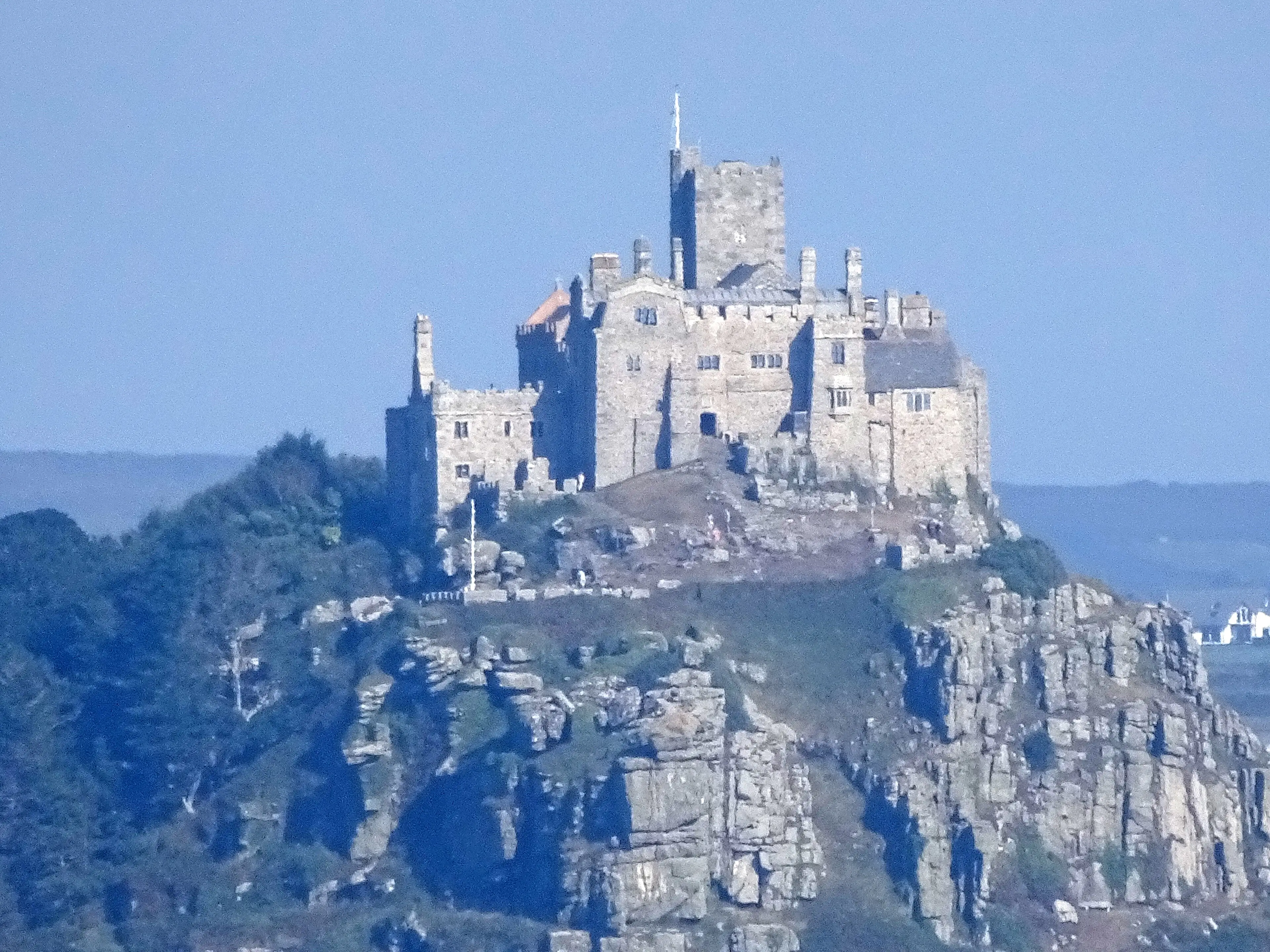
St Michael's Mount rising from Mount's Bay — the tidal island and castle against a dramatic sky.
Hugh Llewelyn / CC BY-SA 2.0

The tidal island in Mount's Bay is one of the most photographed places in Cornwall, and in summer the causeway is a slow procession of visitors shuffling across at low tide. In winter, you might have the crossing to yourself. The castle and gardens are open from late March, but the island itself is accessible year-round at low tide, and the views from the harbour — across the bay to Penzance and the Lizard — are better in winter light than in the flat glare of August. Even if the castle is closed, the walk across the causeway with the tide out and the winter sun low over the water is worth the trip. The village on the island has a cafe and a National Trust shop. Check tide times before you go — you don't want to be stranded, though the boat service runs when the causeway is covered, weather permitting.

The details

Marazion · Tide-dependent crossing · Castle open late March–October (check NT website) · Island accessible year-round · Free to walk the causeway · Check tide times

The Minack Theatre

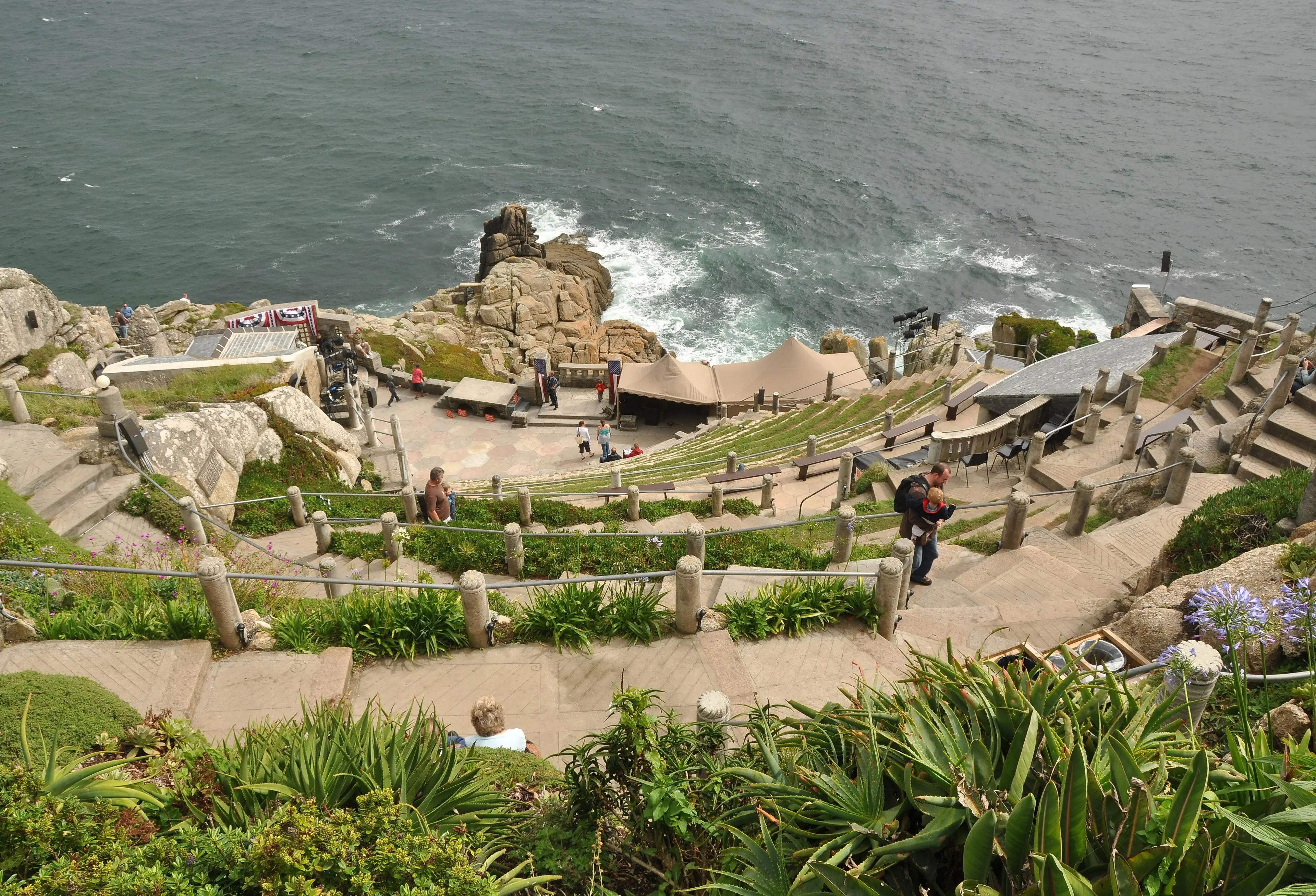
The Minack Theatre at Porthcurno — the open-air amphitheatre carved into the cliff above the sea.
Nilfanion / CC BY-SA 3.0

An open-air theatre carved into the granite cliff above Porthcurno Beach, built by Rowena Cade from the 1930s onwards with her own hands and a wheelbarrow. The Minack's summer season (May to September) gets the headlines, but the theatre is open as a visitor attraction year-round, and in winter you can sit in the stone seats with the Atlantic behind the stage and nobody else in sight. The exhibition centre tells Rowena Cade's story — a remarkable tale of single-minded determination — and the subtropical gardens that cling to the cliff are surprisingly green even in January. The views from the top of the amphitheatre across to the Logan Rock headland are among the finest in Cornwall at any time of year. If you're lucky, you'll catch a winter rehearsal or a community performance — check the website. Even without a show, the Minack in winter is a place you remember.

The details

Porthcurno, near Land's End · Open year-round · Visitor centre + gardens · £7.50 adults · Cafe · Performance season May–September

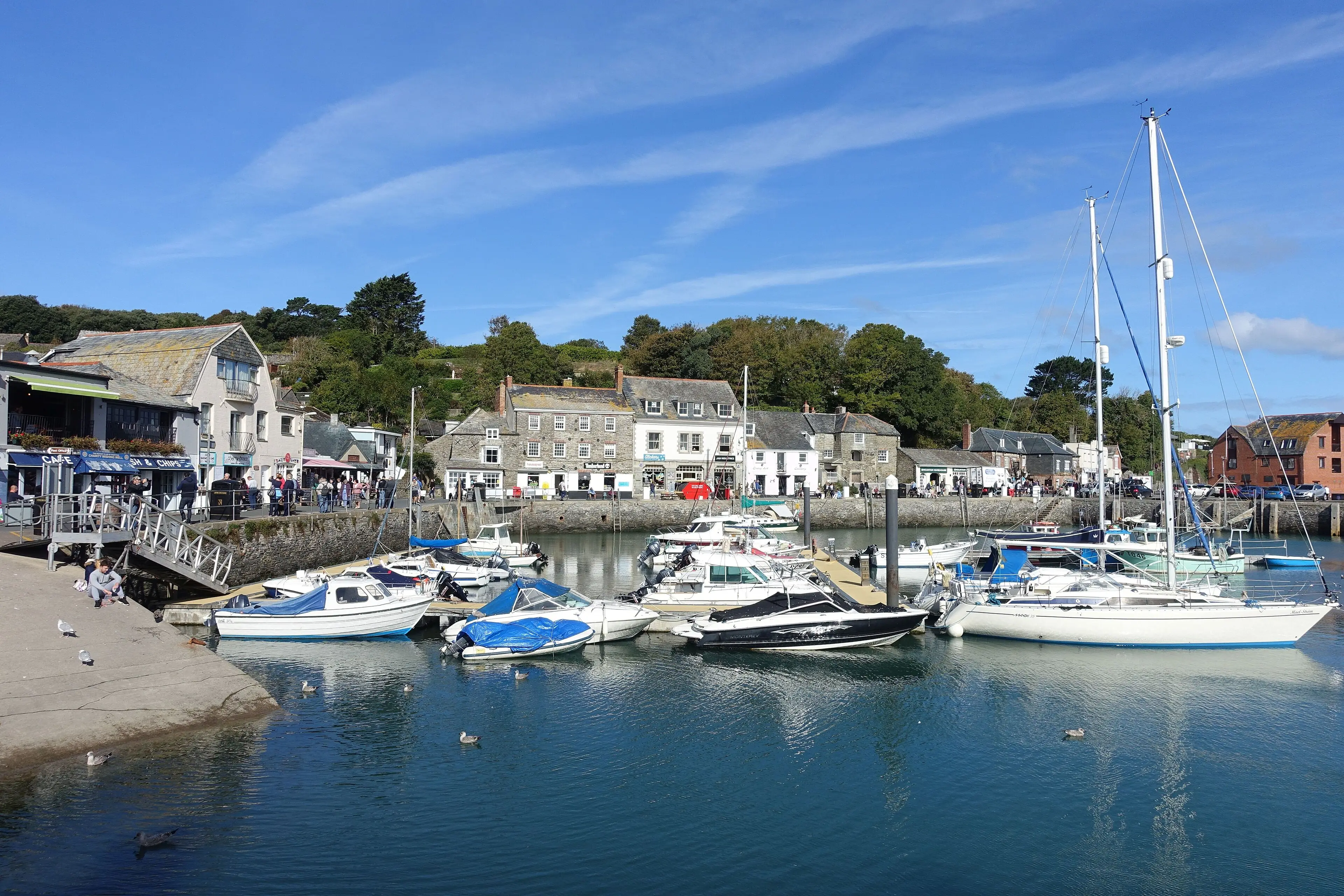
Padstow in the off-season

Padstow harbour — fishing boats moored in the estuary with the town rising behind.
Kmtextor / CC BY-SA 4.0

Padstow in August is gridlocked — the car parks are full by 10am, the harbour is wall-to-wall with tourists, and getting a table at any of Rick Stein's restaurants requires booking six weeks in advance. Padstow in January is a different town. The harbour is quiet, the streets are walkable, and you can eat at the Seafood Restaurant on a Tuesday night without a reservation. The quality of the food doesn't change with the season — the day boats still land their catch at the harbour, the fish market still opens at dawn, and Stein's fish and chips shop (the cheap one on the quay) still serves the best haddock in the county. Paul Ainsworth at No. 6 runs a winter tasting menu that is arguably better than the summer one. Prawn on the Lawn, the tiny fishmonger- restaurant on the quay, does a fruits de mer platter that justifies the drive from anywhere. Come for lunch, walk the Camel Trail to Wadebridge in the afternoon, and drive back in the dark knowing you've had the best of Padstow without any of the worst.

The details

Padstow · Year-round food scene · Easier parking + booking in winter · Camel Trail from harbour · Day boats land daily

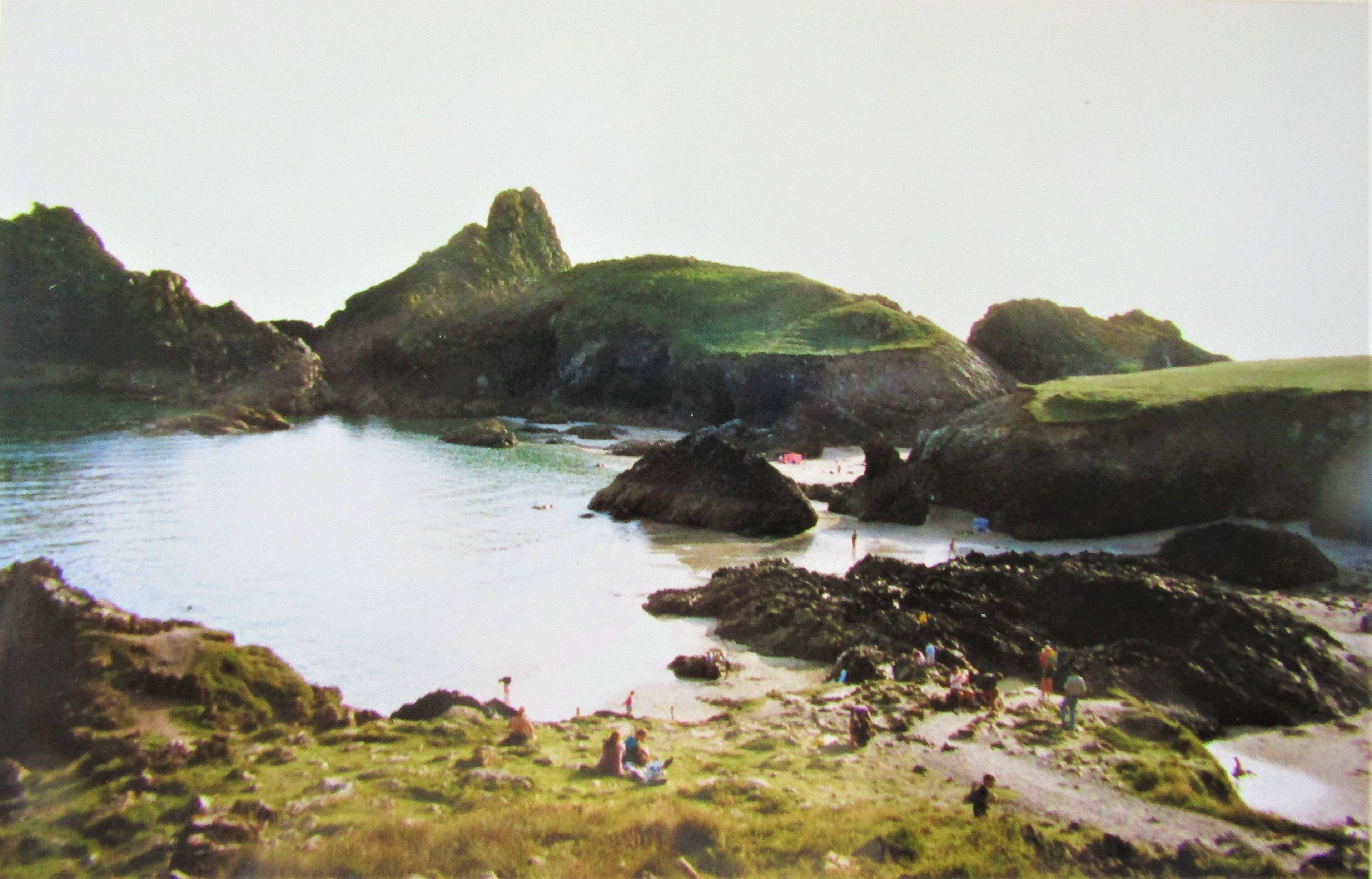
Kynance Cove in winter — turquoise water and dark serpentine rock stacks under dramatic winter clouds.
Kynance Cove on the Lizard Peninsula. In summer you queue for the car park. In winter you have the beach, the rock stacks, and this light entirely to yourself. Photograph · Kolforn / CC BY-SA 4.0

Cornwall's landscape was built for drama, and drama needs weather. A flat calm turquoise sea is beautiful. A forty-foot swell hitting the cliffs at Porthleven is unforgettable.

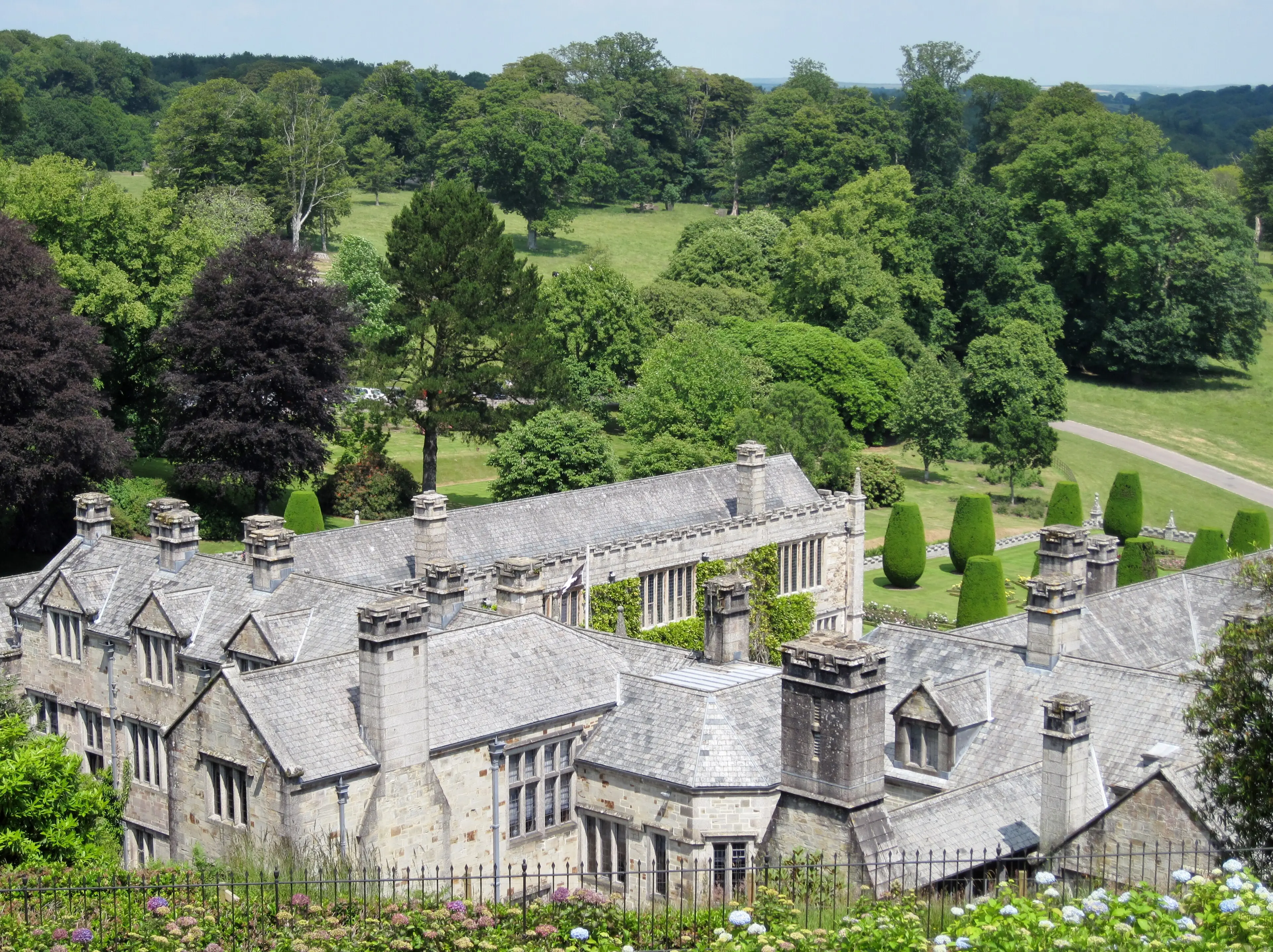
Lanhydrock House at Christmas

Lanhydrock House near Bodmin — the grand Victorian country house with its gatehouse and gardens.
Olaf Tausch / CC BY 3.0

The National Trust's flagship property in Cornwall is a Victorian country house near Bodmin that survived a devastating fire in 1881 and was rebuilt with the most advanced domestic technology of the age — the kitchens alone are worth an hour. In November and December, Lanhydrock dresses for Christmas with period-appropriate decorations, and the house has a warmth and life that the summer visit (when it functions as a museum) doesn't quite match. The long gallery upstairs — 116 feet of barrel-vaulted plaster ceiling depicting Old Testament scenes — is extraordinary at any time of year. The parkland and formal gardens are beautiful in frost, the cafe does a good winter lunch, and the estate has waymarked walks through beech woodland that are at their best when the trees are bare and the light comes through. If you're in Cornwall over Christmas, Lanhydrock is the single best day out.

The details

Near Bodmin · National Trust (members free) · Christmas decorations Nov–Dec · House + gardens + parkland · Cafe · Allow 3–4 hours

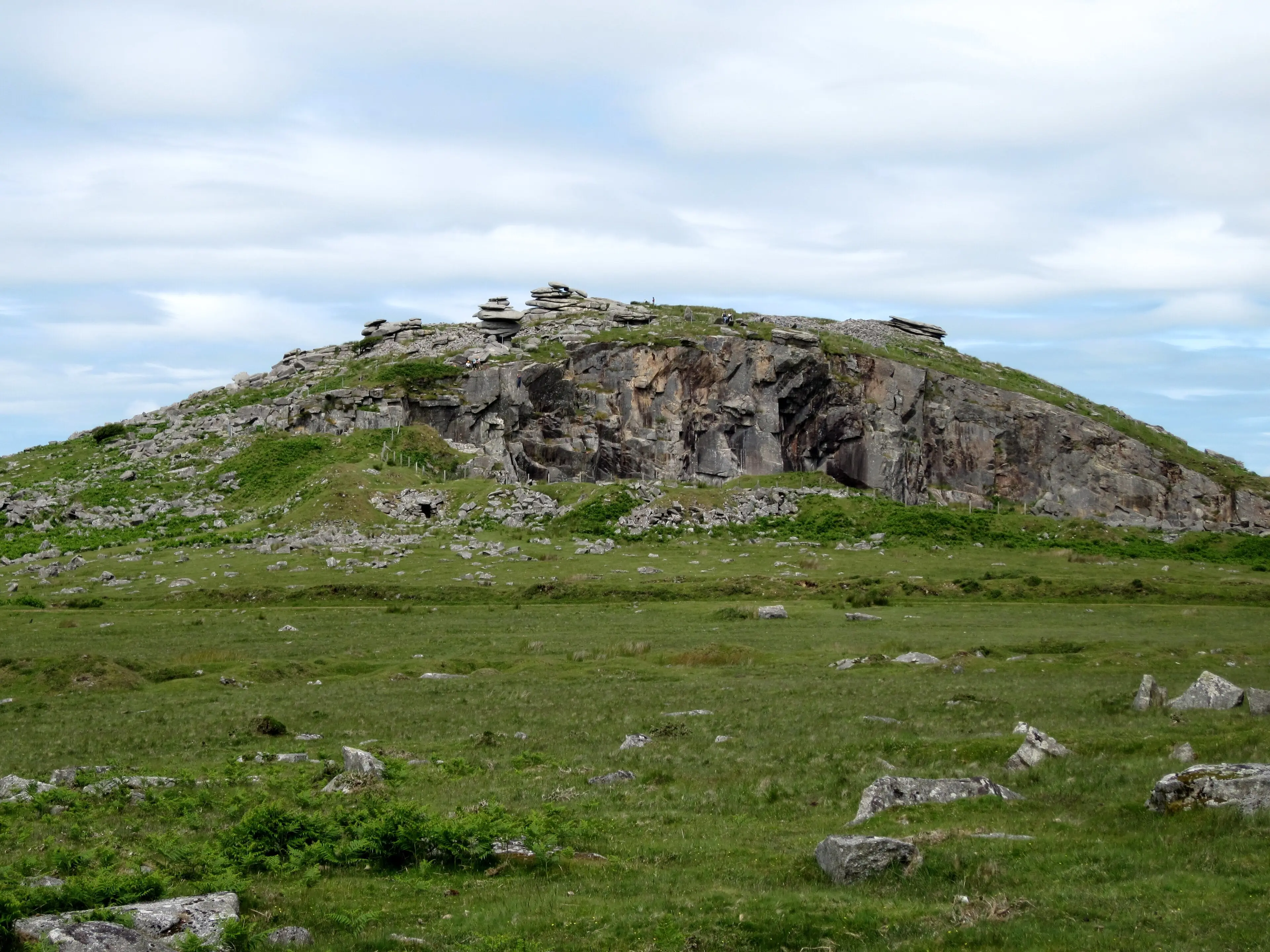
Bodmin Moor

The Cheesewring on Bodmin Moor — a natural granite stack on the open moorland under a wide sky.
Olaf Tausch / CC BY 3.0

Cornwall's only Area of Outstanding Natural Beauty that isn't on the coast — twelve miles of open moorland, granite tors, Bronze Age stone circles, and the kind of silence that you forget exists until you stand in it. Bodmin Moor in winter is bleak in the best sense: the bracken turns bronze, the sky is enormous, and the walks have a solitary quality that the coast path, even in winter, can't match. The circuit from Minions to the Cheesewring (a natural granite stack that looks like it was balanced by a giant) is three miles and achievable in any weather. The walk to Golitha Falls — a series of cascades through ancient oak woodland on the River Fowey — is best after heavy rain when the water is high. Brown Willy (420m), Cornwall's highest point, is a straightforward walk from the Roughtor car park but should only be attempted in clear weather with a map and proper boots. The Jamaica Inn at Bolventor, halfway across the moor, serves adequate food and has the Daphne du Maurier connection if you need it.

The details

Central Cornwall · Open access land · Free · Minions car park for Cheesewring · Proper footwear essential · Check weather for high ground · Jamaica Inn for refreshments

Kynance Cove in winter light

Kynance Cove and Lizard Point from Kynance Cliff — serpentine rock stacks and the turquoise sea below.
Nilfanion / CC BY-SA 4.0

The most photographed cove on the Lizard Peninsula, and one of the most beautiful beaches in England, Kynance is usually presented as a summer destination — and in July the car park fills by 11am and the beach is crowded by noon. In winter it is empty. The serpentine rock stacks — dark green and red, polished by the sea — are the same in any season, but the light is different. On a clear December afternoon, the low sun rakes across the cove from the west and turns the water a shade of turquoise that shouldn't exist at this latitude. The cliff walk from the National Trust car park takes fifteen minutes down and twenty back up (the steps are steep; boots not flip-flops). The beach cafe closes for winter, so bring a flask. The tide matters here — at high tide the beach disappears — so check before you go. But if you time it right, Kynance in winter light is the photograph you'll use as your desktop wallpaper for the next five years.

The details

Lizard Peninsula · Free (NT car park charge) · Tide-dependent · 15-minute walk from car park · Bring a flask in winter · Best in afternoon light

A harbour pub with a log fire

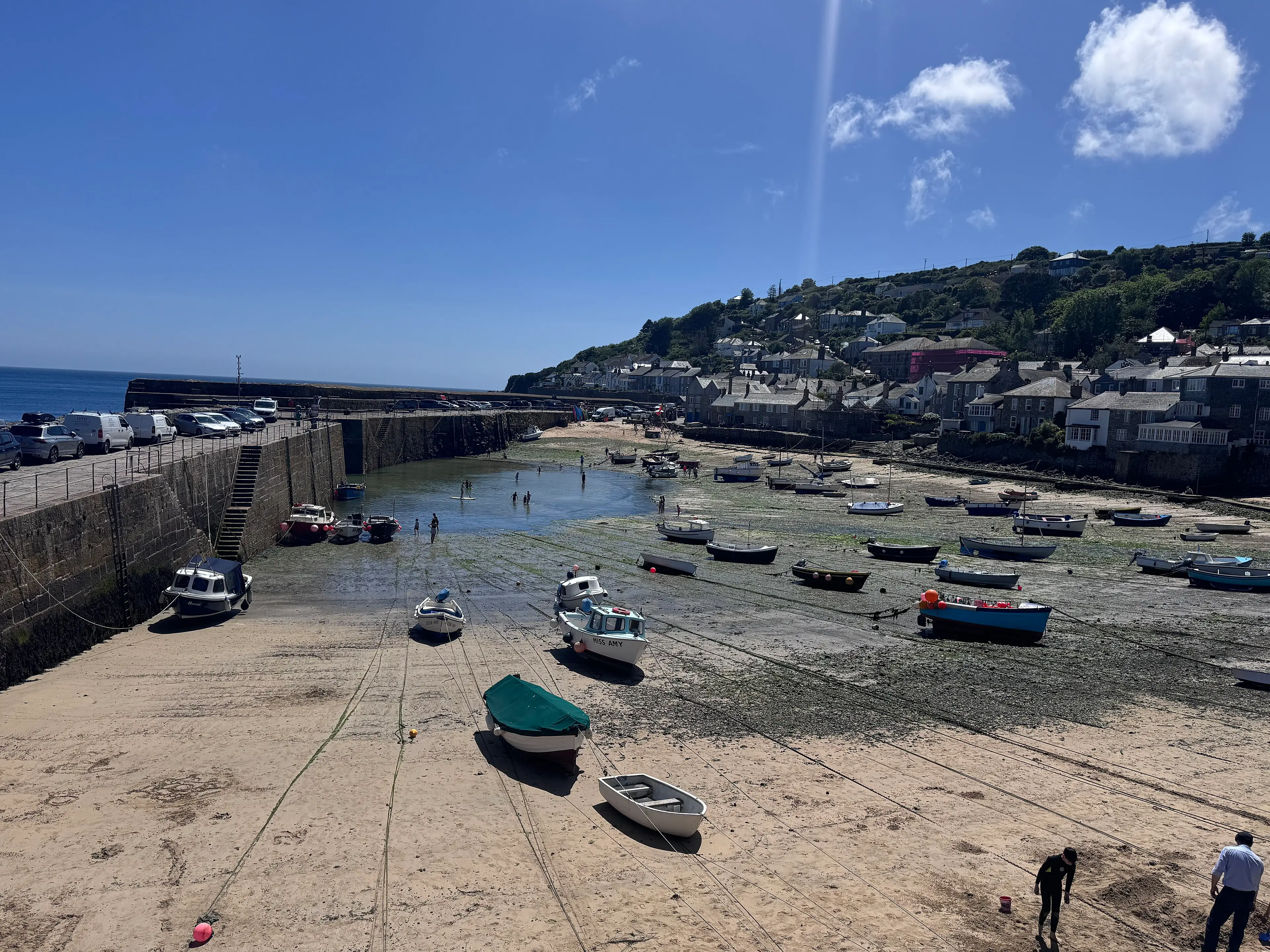
Mousehole harbour at low tide — the iconic Cornish fishing village and its stone harbour walls.
Wittylama / CC BY-SA 4.0

This is the entry that holds the whole list together. After a morning on the cliffs watching storms, or an afternoon on Bodmin Moor, or a walk down to Kynance in fading light, you need somewhere to sit by a fire with a pint and the feeling that you've earned it. Cornwall has hundreds of pubs but only a handful where the combination of harbour view, real fire, good beer, and winter atmosphere makes the room feel like the point of the trip rather than just the ending. The Blue Peter in Polperro is tiny and right on the harbour wall — the fire is two feet from the nearest table. The Ship Inn in Mousehole looks across the harbour to St Michael's Mount. The Rashleigh at Polkerris sits on the beach and does crab sandwiches that are as good as the view. The Pandora Inn at Restronguet Creek is thatched, waterside, and has been serving since the thirteenth century. Pick any of them on a dark January evening and you'll understand why the locals prefer winter.

The details

Everywhere · Blue Peter (Polperro) · Ship Inn (Mousehole) · Rashleigh (Polkerris) · Pandora Inn (Restronguet) · Real fire essential · No booking needed

Planning a winter trip to Cornwall

The practical difference between a summer and winter trip to Cornwall comes down to three things: shorter days, lower prices, and fewer crowds. The shorter days mean planning your outdoor time carefully — you want to be on the coast path or the beach by mid-morning and back at the cottage by 4pm when the light goes. The lower prices mean a better cottage for the same money, or the same cottage for much less. And the fewer crowds mean you can be spontaneous — no advance booking for restaurants, no fighting for parking, no queuing for anything except perhaps Eden on a wet school-holiday Monday.

The other thing to pack is the right expectation. A winter trip to Cornwall is not a beach holiday with worse weather. It's a walking holiday, a food holiday, a storm-watching holiday, and a reading-by-the-fire holiday. If you arrive expecting turquoise water and sunburn you'll be disappointed. If you arrive expecting wild skies, empty headlands, excellent seafood, and a log fire every evening, you'll have one of the best weeks of the year.

A cottage for the off-season

Fisherman's cottage in Mousehole, sleeps four

Stone walls, harbour views, a wood burner, and a five-minute walk to the Ship Inn. The kind of place that makes you wonder why anyone goes to Cornwall in August.

From £395 / week in January · £495 shoulder · £995 peak

See dates on Sykes

AllCornwall may earn a commission on this link — it never affects the price you pay.