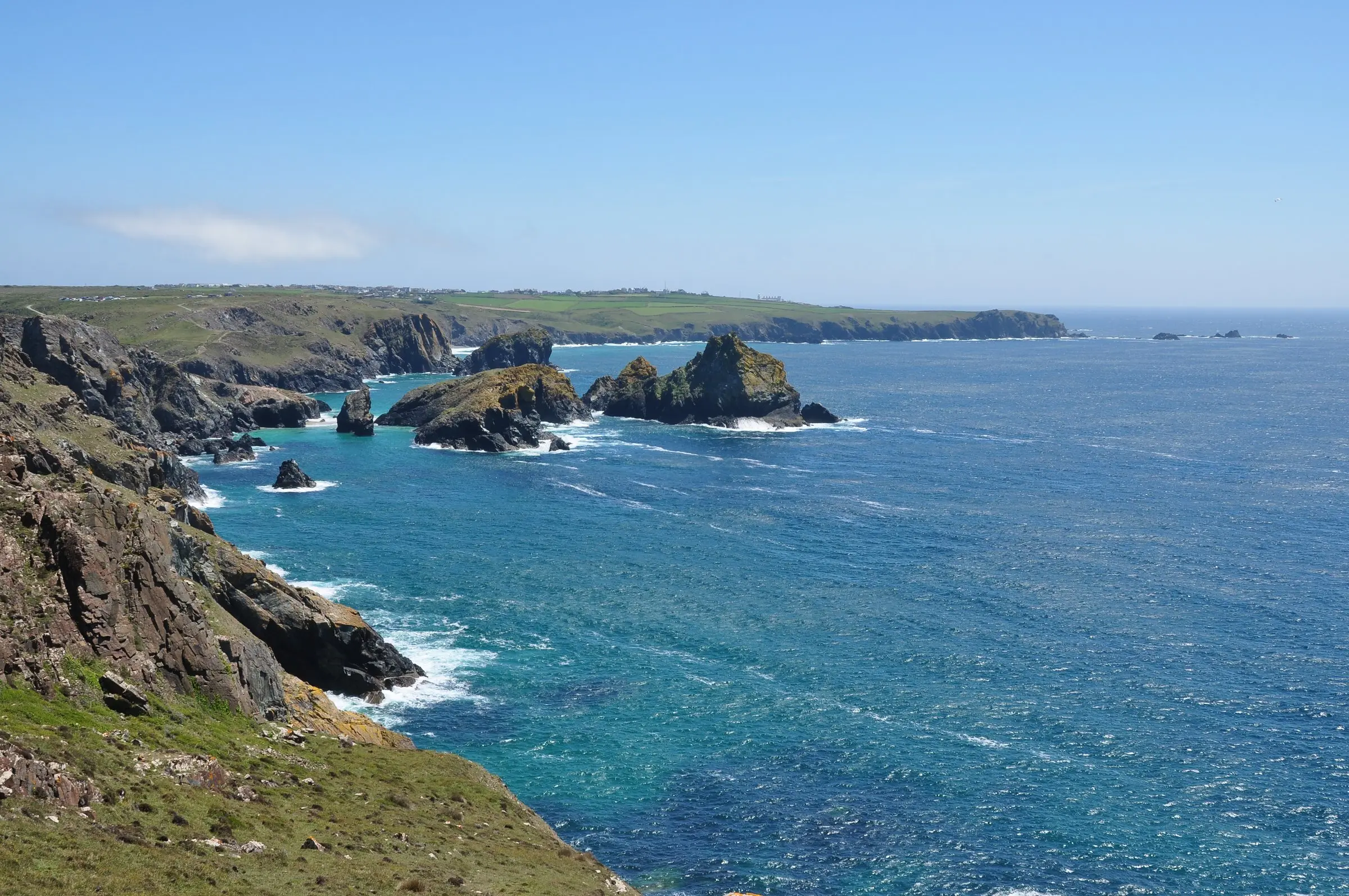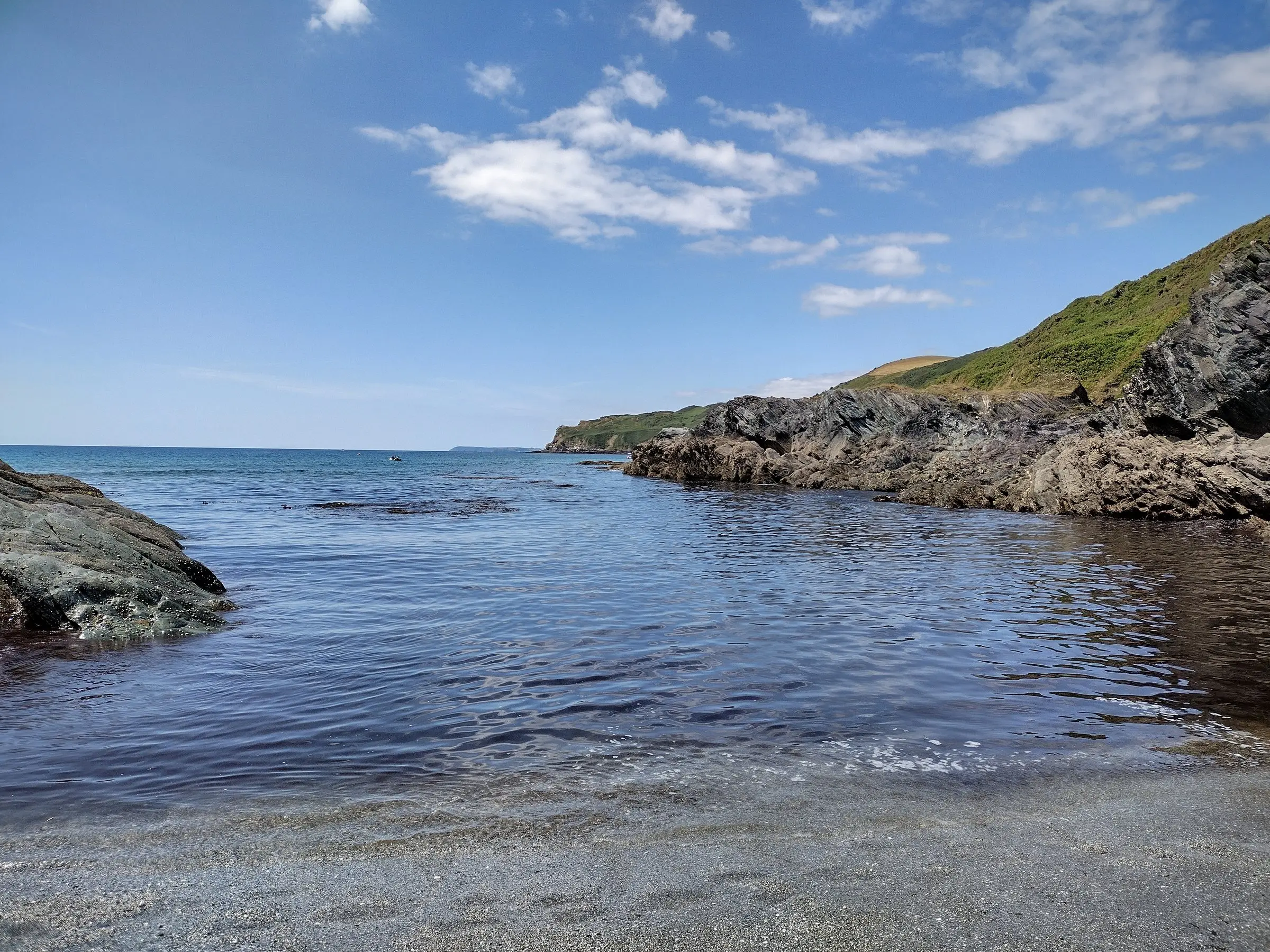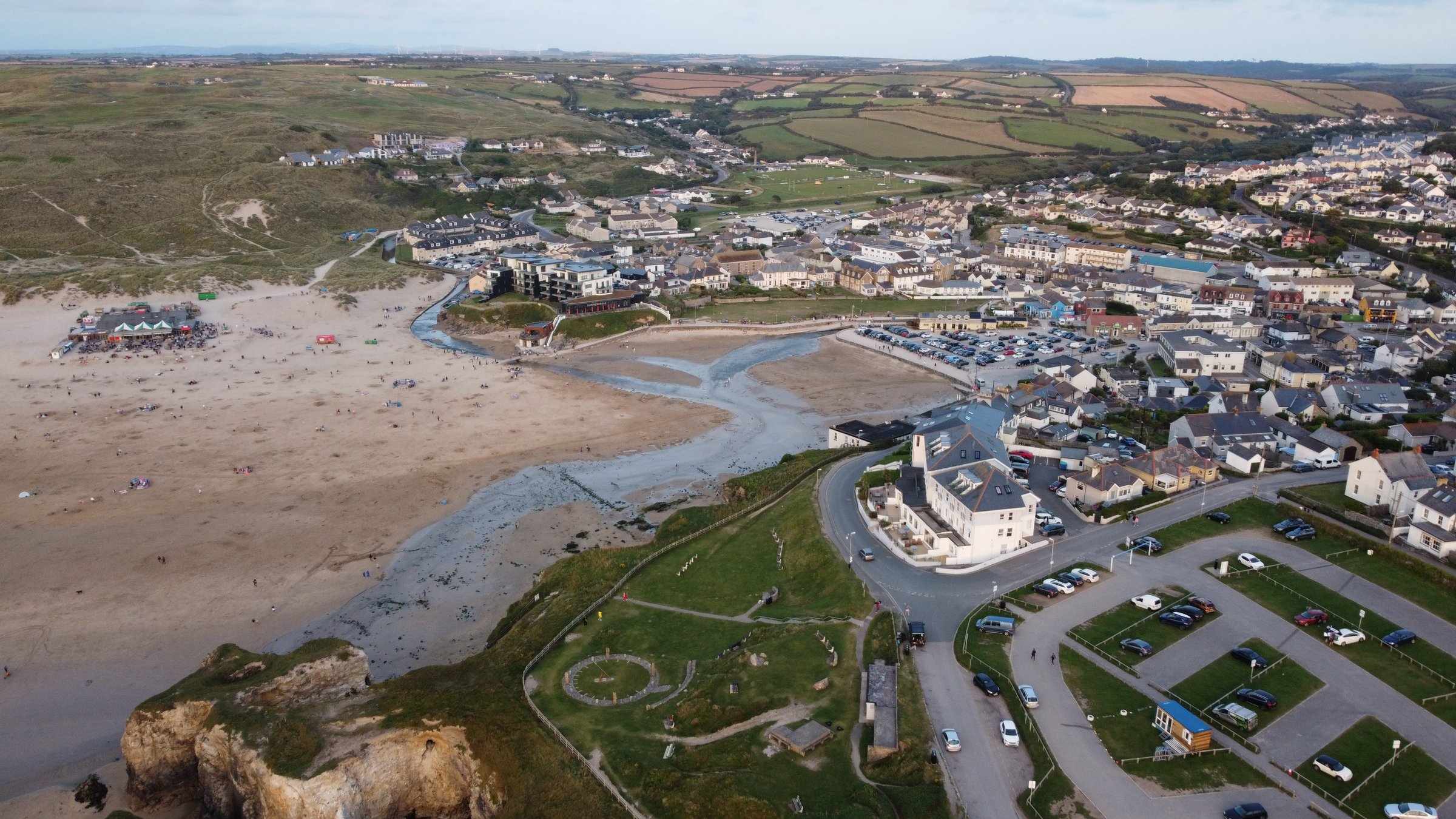
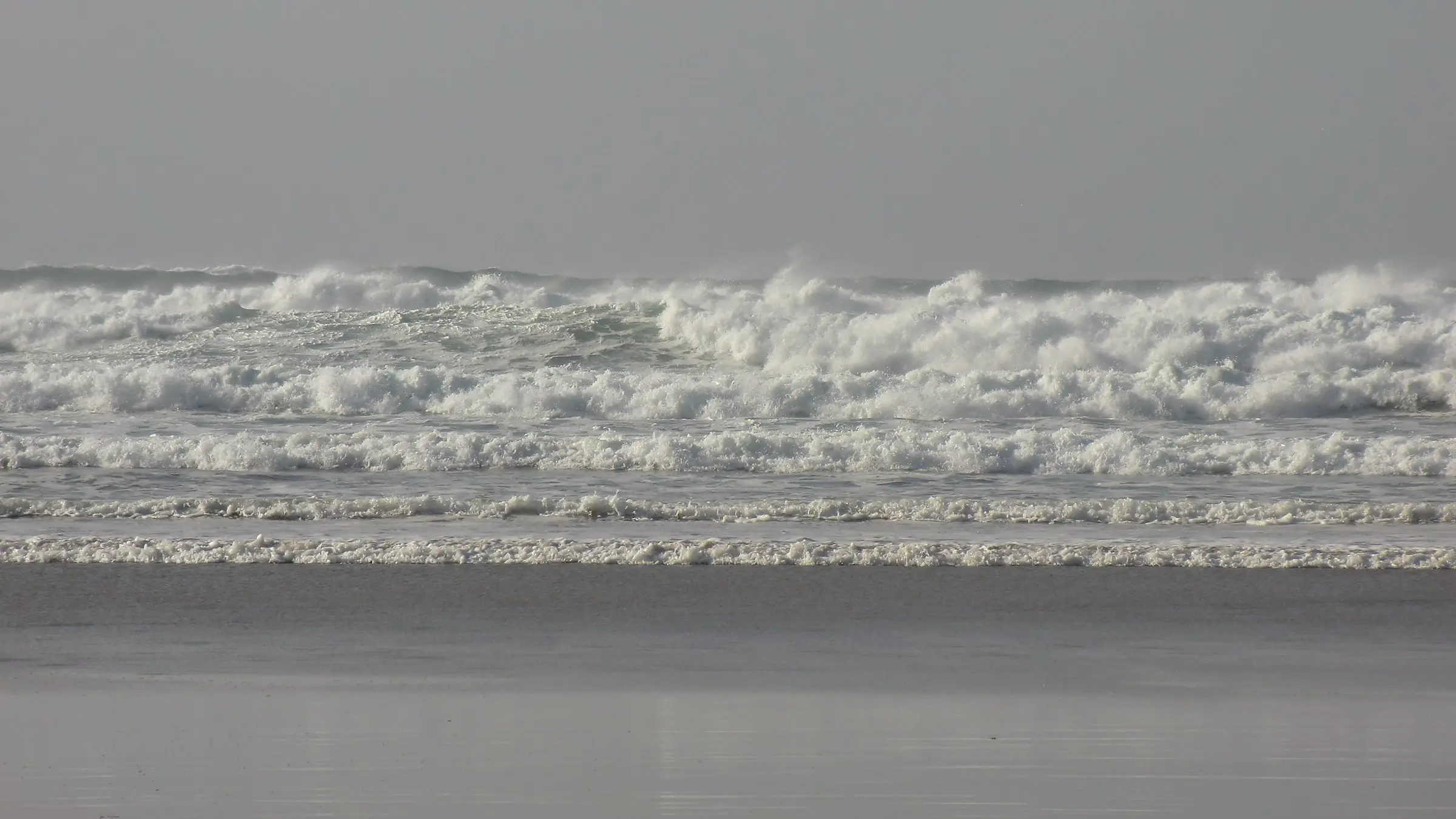
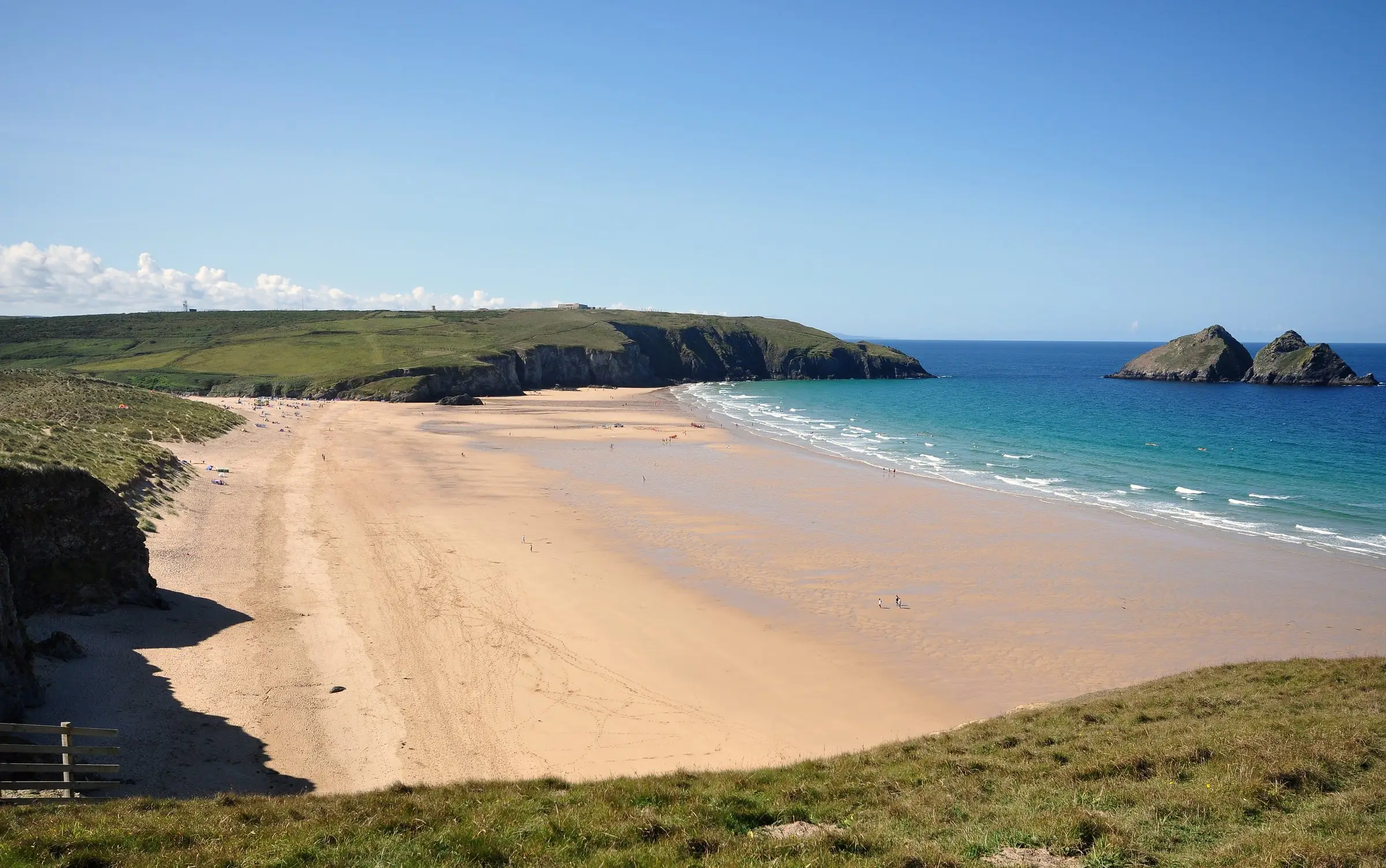
Perranporth Beach — three miles of wide Atlantic sand, one of Cornwall’s best year-round dog-friendly beaches.

Cornwall · Dog-friendly

Dog-friendly Cornwall.

Year-round beaches, off-lead woodland, pubs that mean it — the honest guide to Cornwall with a dog.

Photograph — Kernow Skies / Wikimedia Commons (CC BY-SA 3.0)

An honest guide

Cornwall is one of the best places in Britain to holiday with a dog, and one of the most confusing. Half the beaches ban dogs in summer. The other half don’t, but nobody tells you which. This guide cuts through the noise — eight places where your dog is genuinely welcome, the seasonal rules you actually need to know, and none of the usual “dog-friendly” padding that turns out to mean “tolerated in the car park.”

The first thing to understand about dogs in Cornwall is that the county wants your dog there. This is not a place where you spend the week apologising for the Labrador. Cornwall has more dog-friendly pubs per square mile than anywhere else I’ve counted, half the self-catering cottages accept pets, and the coast path is — with a few sensible exceptions — one of the great dog walks in Europe. The problem is not welcome; it’s information. The seasonal beach bans are poorly signposted, the rules vary by council, and the “dog-friendly” label on accommodation listings ranges from “your dog sleeps in the bedroom” to “your dog is permitted in the porch if it doesn’t touch the walls.”

What follows is the guide I wish someone had handed me the first time I drove down the A30 with a springer spaniel on the back seat. Eight places across the county where your dog is not just allowed but actively welcome — beaches without summer bans, walks built for off-lead running, a pub where the dog gets a biscuit before you get a menu, and a couple of hidden places that most visitors never find. The practical notes at the bottom cover the rules, the kit, and the things nobody mentions until you’re standing at a beach entrance reading a sign that says “No Dogs Easter–October.”

Perranporth Beach

Perranporth Beach — wide Atlantic sand stretching toward Ligger Point.
Kmtextor / Wikimedia Commons (CC BY 4.0)

Three miles of sand, dogs allowed year-round, and enough space at low tide to lose sight of every other person on the beach. Perranporth is the beach that dog owners in Cornwall tell other dog owners about. The main stretch runs from the town north to Ligger Point, and there is no seasonal ban on any of it — your dog can run from October to October without restriction. At low tide the sand is firm enough for a proper sprint. At high tide it contracts but remains generous. The surf can be big on this coast, so keep an eye on dogs that swim — the rip currents are real. The Watering Hole, halfway along the beach, is one of the few bars in Britain built directly on the sand, and it’s dog-friendly.

The details

3 miles of sand · Dogs year-round · Parking at Perranporth town or Droskyn Point · Beach cafe · North coast
Holywell Bay

Holywell Bay — dune-backed beach with the Gull Rocks visible offshore.
Nilfanion / Wikimedia Commons (CC BY-SA 3.0)

A mile of sand backed by a National Trust dune system, five minutes from Newquay but feeling like a different county. Holywell has the wildness that the more famous Newquay beaches have lost to car parks and surf schools. Dogs are allowed year-round on the northern half of the beach — turn right as you come down the path and keep walking past the Gull Rocks. The dunes behind the beach are a SSSI, and the marram grass is fragile, so stay on the paths through them. But the beach itself is wide, the sand is good, and the caves at the north end are worth the walk. Come at low tide for the rock pools.

The details

1 mile of sand · Dogs year-round on north section · NT car park (charge applies) · Dune walks · North coast near Newquay

The Camel Trail

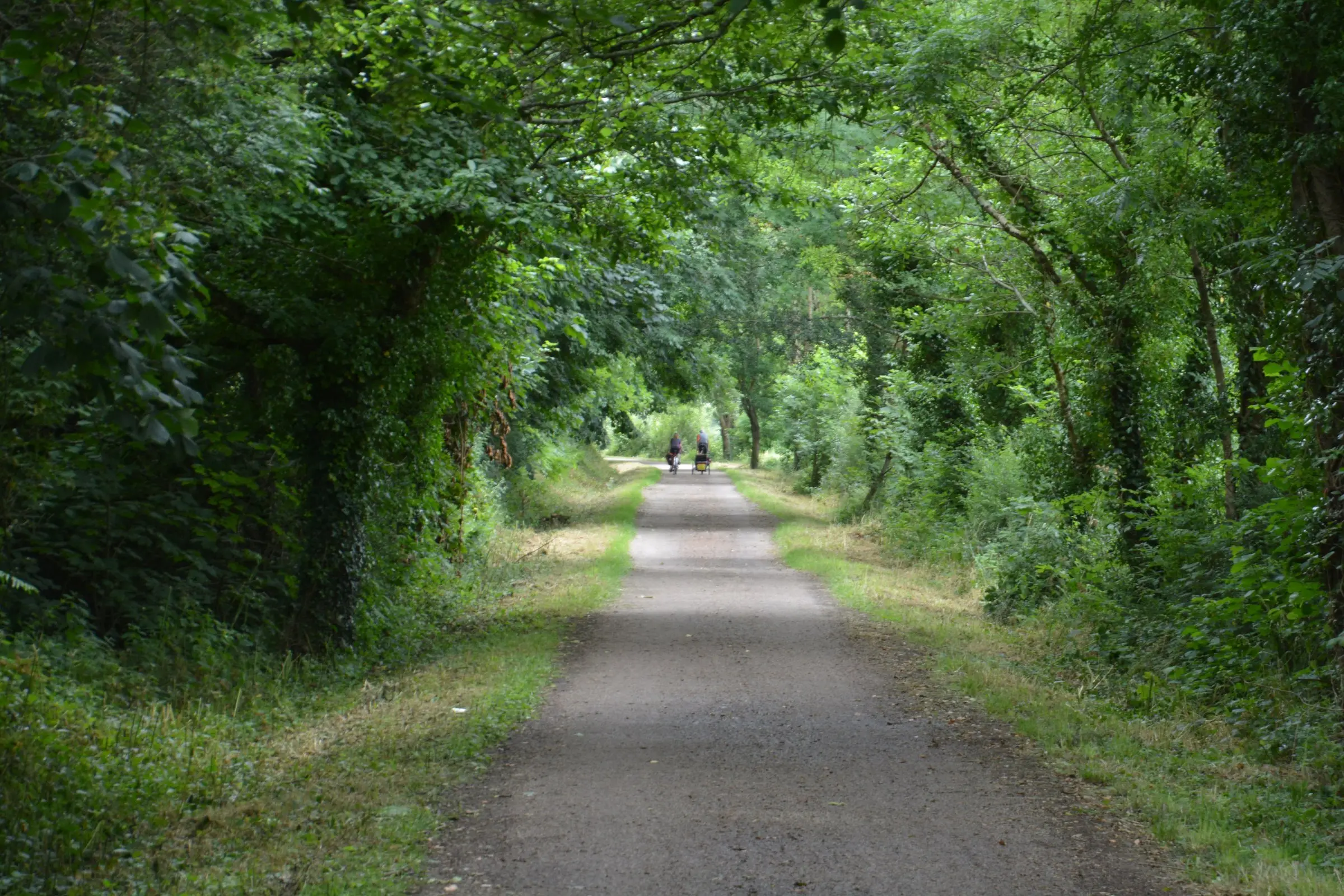
The Camel Trail alongside the Camel Estuary between Padstow and Wadebridge.
Lewis Clarke / Geograph (CC BY-SA 2.0)

Eighteen miles of flat, traffic-free trail along a disused railway line from Padstow to Bodmin, and the most civilised dog walk in Cornwall. The section from Padstow to Wadebridge — five and a half miles, mostly running along the Camel Estuary — is the one to do. The surface is compacted stone dust, level enough for a pushchair, and shaded by woodland for much of its length. Dogs can be off-lead for most of the route, though you’ll want to leash up at the Padstow and Wadebridge ends where it gets busy. The estuary at low tide is a wading paradise for water-loving dogs. There are pubs at both ends and a camel-side cafe at the Borough Arms halfway along.

The details

5.5 miles one way · 2 hours walking · Flat · Padstow to Wadebridge section · Off-lead for most of route · Bike hire available

Cardinham Woods

Cardinham Woods — sunlit trail through mixed woodland near Bodmin.
Derek Harper / Geograph (CC BY-SA 2.0)

A Forestry England woodland three miles east of Bodmin, and the best place in Cornwall to let a dog run off-lead through trees. Four marked trails range from a half-mile stroll to a four-mile loop, all through mixed conifer and broadleaf woodland with a river running through the valley floor. The river pools are shallow, clean, and exactly the right depth for a dog to wade in and refuse to come out. There is a cafe at the car park that serves good coffee and allows dogs inside. The trails are well-drained and walkable year-round, which makes Cardinham the default wet-weather dog walk for anyone staying in mid-Cornwall. It is not a beauty spot in the Kynance Cove sense; it is better than that — it is a place that works.

The details

4 trails, 0.5–4 miles · Off-lead throughout · River swimming · Cafe on site · Free parking · Near Bodmin

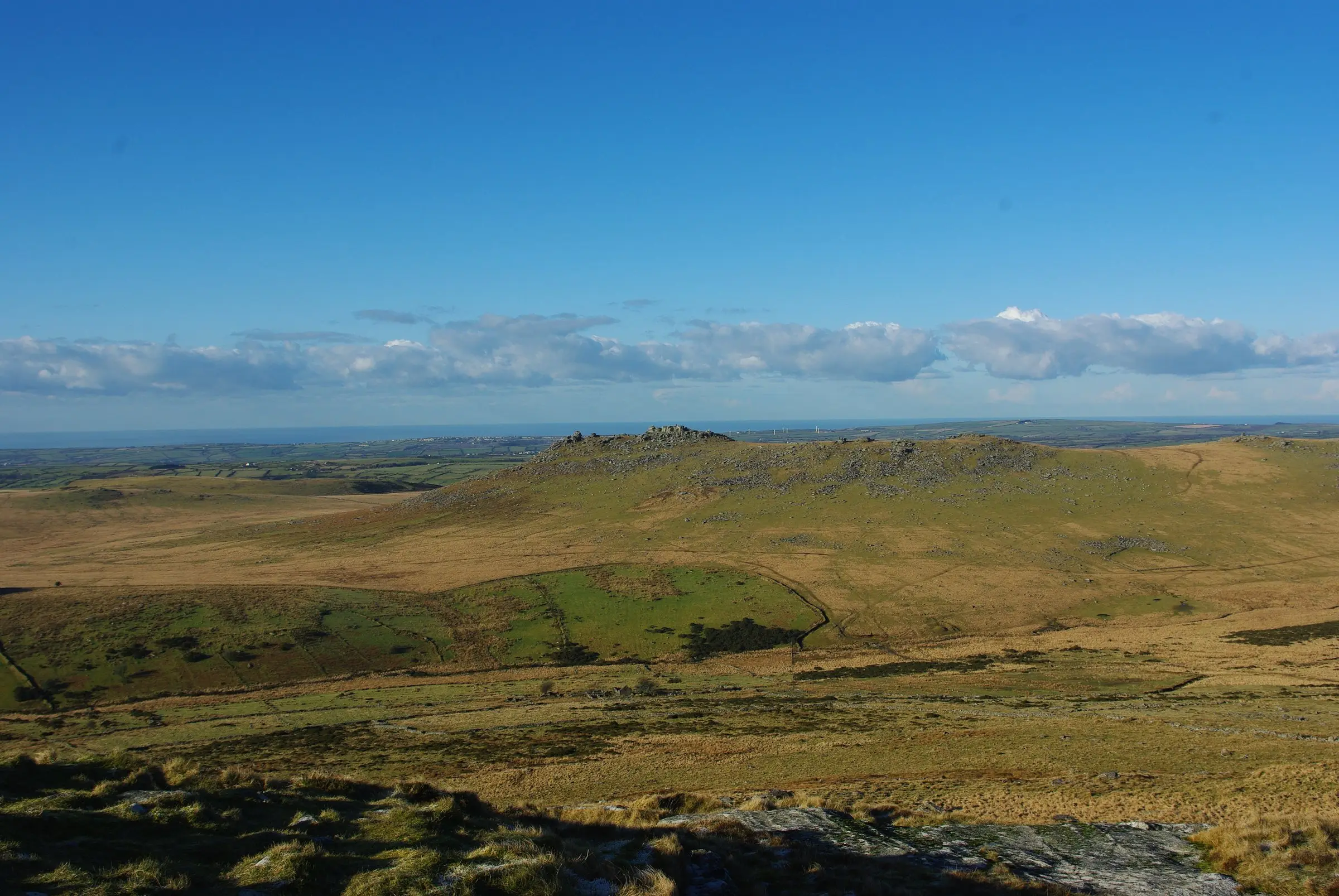
Rough Tor on Bodmin Moor — granite tor rising from open moorland under a wide Cornish sky.
Bodmin Moor is one of the last true open spaces in southern England — rough granite, coarse grass, and nothing between you and the horizon except the odd sheep. Dogs can run here, but livestock rules apply. Photograph · Nilfanion / Wikimedia Commons (CC BY-SA 4.0)

The best dog-friendly places in Cornwall are the ones where nobody needed to put up a sign saying dogs are welcome — because it never occurred to anyone that they wouldn’t be.

The Pandora Inn

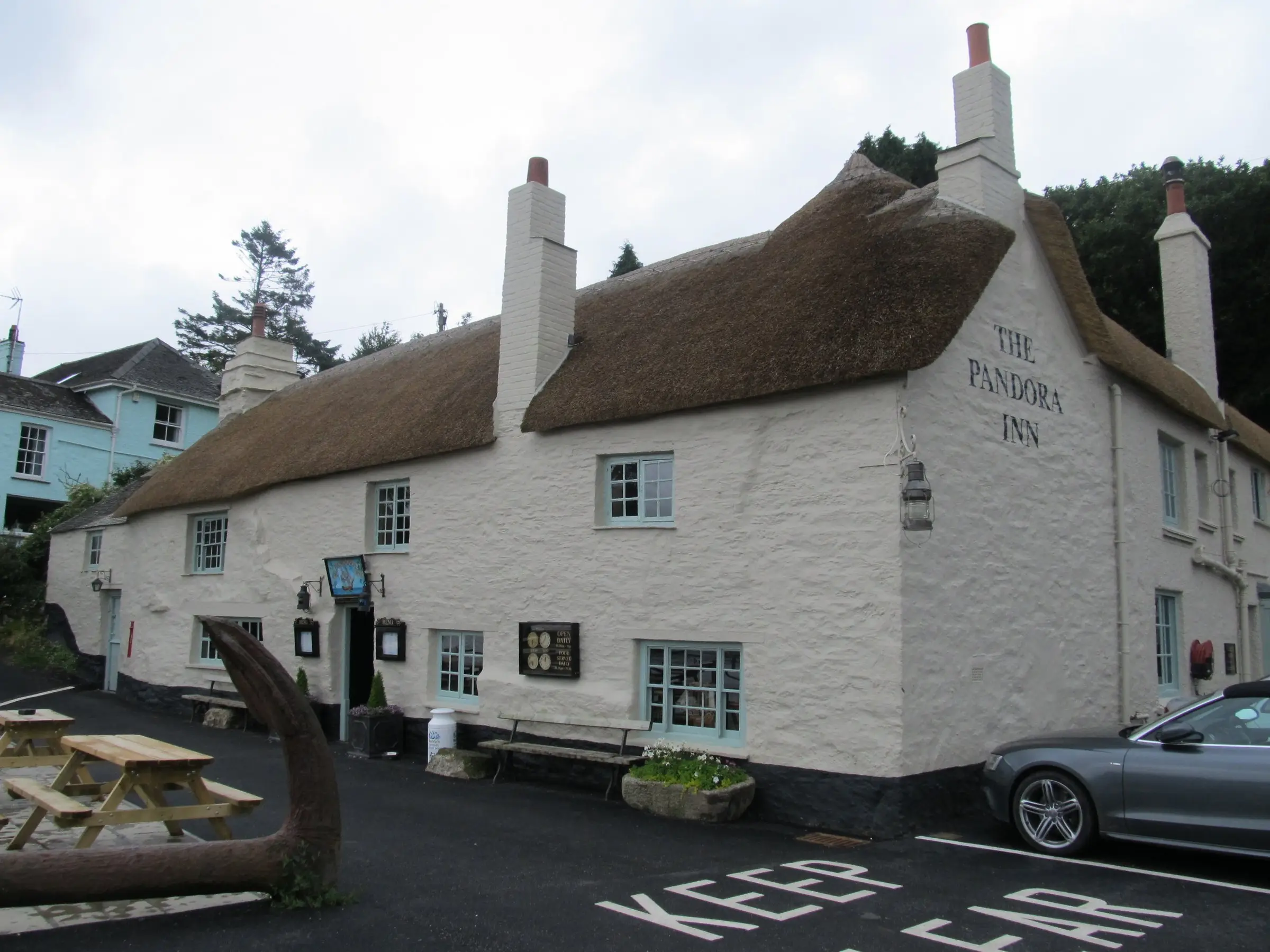
The Pandora Inn — thatched medieval pub on the edge of Restronguet Creek.
Richard Rogerson / Geograph (CC BY-SA 2.0)

A thatched thirteenth-century pub built on a pontoon over Restronguet Creek, and the single best dog-friendly pub in Cornwall — a claim I’m prepared to defend. The Pandora is the kind of place that has a dog water bowl by the door, treats behind the bar, and a flagstone floor that has survived seven centuries of muddy boots and wet spaniels. The setting is the thing: the pub sits at the water’s edge on a tidal creek, and in summer you can sit on the pontoon with a pint and watch the sailing dinghies while your dog dries off from the creek. The food is proper pub food — fish pie, local crab, Cornish beef — and the walk along the creek from Mylor Bridge to the Pandora is a mile and a half of quiet waterside path that works as a pre-lunch stroll.

The details

Restronguet Creek, near Falmouth · Dogs in bar and pontoon · Walk from Mylor Bridge (1.5 mi) · Book for lunch in summer

Bodmin Moor

Bodmin Moor — open moorland and granite tors under a dramatic sky.
Tim Hardy / Geograph (CC BY-SA 2.0)

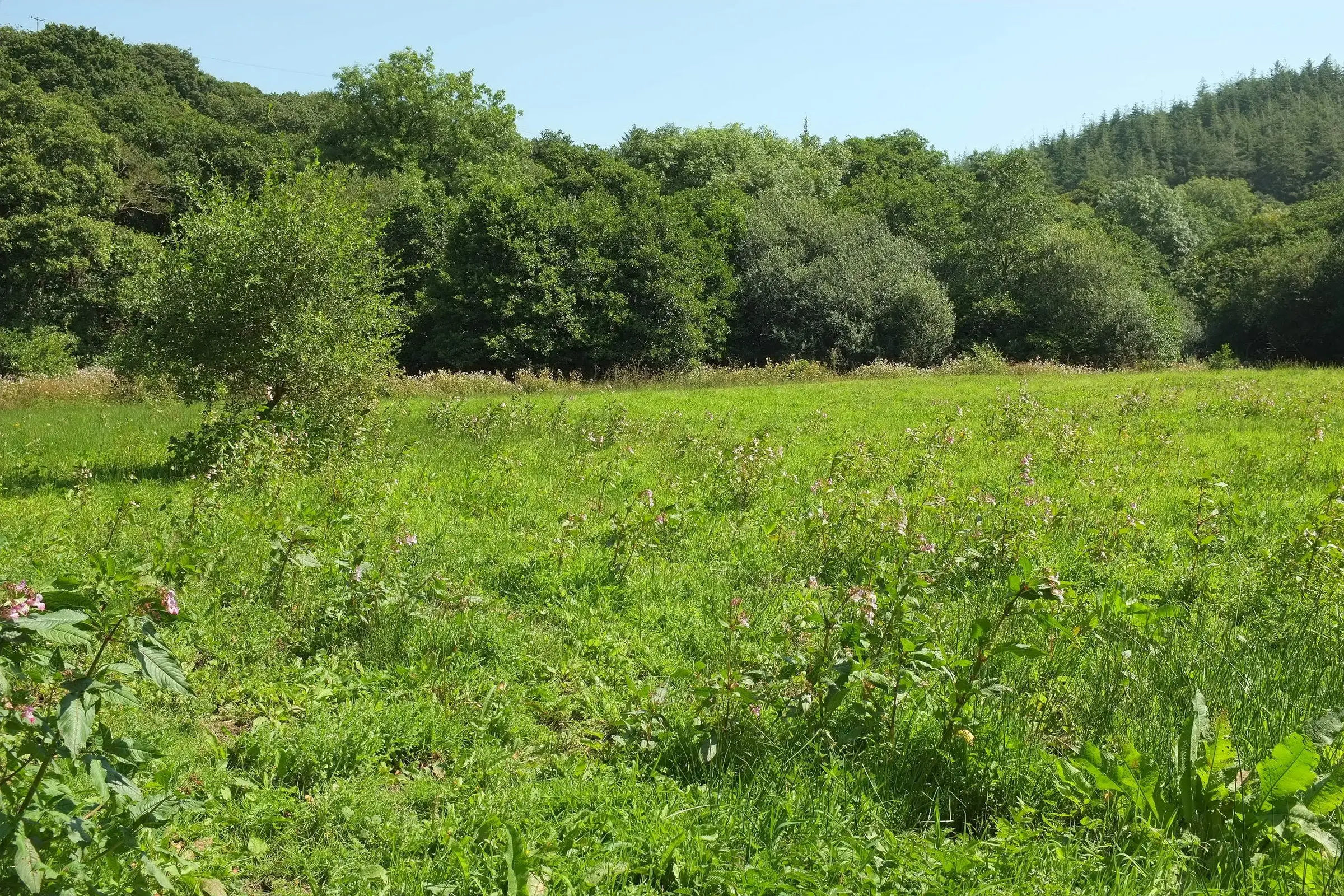
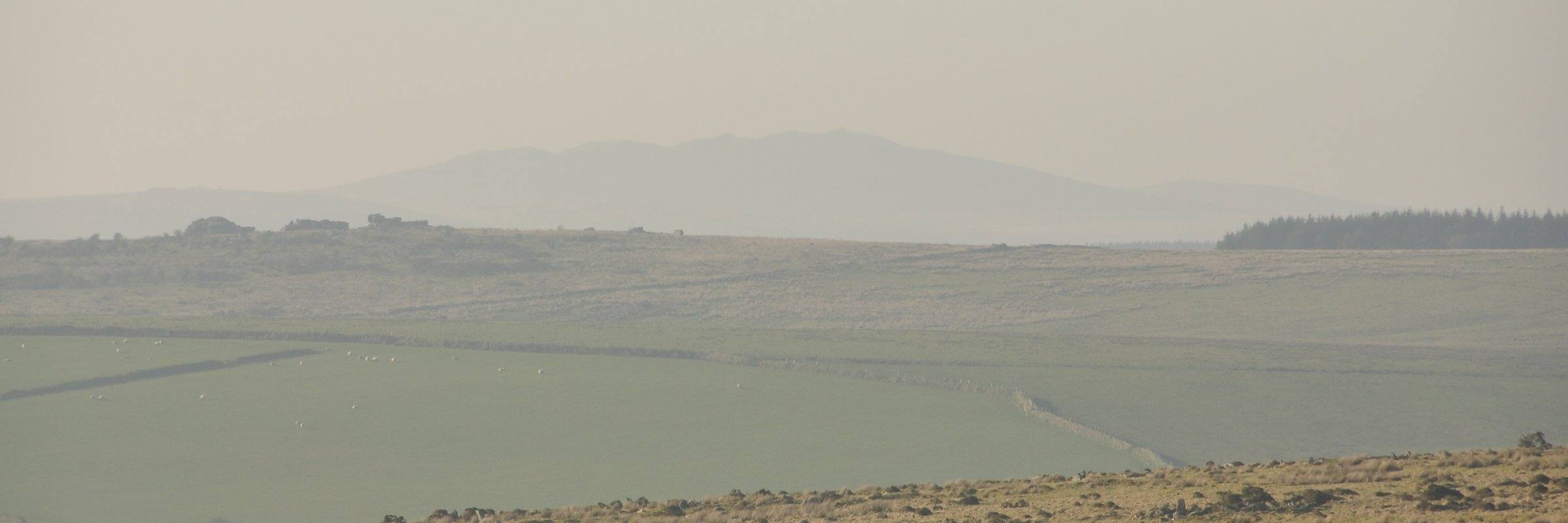
Open access land with no fences, no gates, and no one telling you where to walk. Bodmin Moor is the antidote to every beach-ban sign and lead-only notice on the coast. The moor covers forty square miles of granite upland in the centre of Cornwall, and most of it is common land where you and your dog can walk freely. Rough Tor and Brown Willy are the headline summits, but the best dog walking is in the quieter southern valleys — Golitha Falls, the Loveny valley, and the land around Minions. A word of warning: there are cattle and ponies on the moor year-round, and sheep during lambing. If your dog chases livestock, keep it on a lead. The Cheesewring near Minions is the most dramatic tor formation, and the view from the top is worth the wind.

The details

40 sq miles of open access · Rough Tor and Brown Willy are the high points · Livestock present · No facilities on the moor · Mid Cornwall

Kynance Cove

Kynance Cove — serpentine rock stacks and turquoise water on the Lizard Peninsula.
Nilfanion / Wikimedia Commons (CC BY-SA 4.0)

The most beautiful cove in Cornwall, and dogs are allowed on the beach year-round. That combination is rare enough to justify the drive to the Lizard. Kynance is National Trust land — the walk down from the car park takes ten minutes on a steep path, and the beach reveals itself in stages: first the serpentine sea stacks, then the white sand, then the water, which is an improbable shade of turquoise caused by the geology underfoot. Dogs must be on leads on the path and near the cliffs, but the beach itself is open. At low tide the caves and rock pools behind the stacks are accessible, and your dog will investigate every one of them. The NT cafe at the top serves cream teas. Come early or late in summer — the car park fills by 10am on sunny days.

The details

Dogs year-round on beach · Leads on NT path · Steep access (10 min walk) · NT car park (charge applies) · Lizard Peninsula

Lansallos Beach

Lansallos Beach — a hidden cove backed by steep wooded cliffs on Cornwall’s south coast.
Zeniris / Wikimedia Commons (CC BY-SA 4.0)

A beach that most visitors never find, because there is no road to it and no sign pointing the way. Lansallos is a National Trust cove on the south coast between Polperro and Polruan, reached by a twenty-minute walk through farmland and steep woodland from the tiny church at Lansallos village. The beach is shingle and sand, backed by dark cliffs covered in ferns, and it is dog-friendly year-round because nobody has ever had reason to ban them — the beach barely appears on a map. This is the place to come when you want to be alone with your dog, the sea, and nothing else. No cafe, no lifeguard, no phone signal. Bring everything you need and take everything out.

The details

20-minute walk from Lansallos village · No road access · Dogs year-round · No facilities · South coast near Polperro

The rules, the kit, and the things nobody mentions

Cornwall’s beach dog bans run roughly from Easter to 1 October on the busiest beaches, typically between 9am and 6pm. The bans are enforced by PSPO (Public Spaces Protection Order) and the fines are real — up to £1,000. But the bans only cover the named beaches. Walk five minutes along the coast from almost any banned beach and you’ll find a cove where dogs are fine. The trick is knowing which coves, and this guide names the best of them.

The coast path itself is dog-friendly for its entire 630-mile length. The practical constraints are cliff edges (unfenced), stiles (most have dog gates or gaps), and livestock (sheep on clifftop fields, cattle on open land). None of these are deal-breakers for a well-behaved dog. The bigger constraint is often the owner: Cornwall in August is hot, shadeless on the coast path, and a long way from fresh water. Carry more water than you think you need, and walk in the morning or evening when the temperature drops.

Stay with your dog

A dog-friendly cottage near Perranporth, sleeps four

Perranporth is the flagship dog-friendly beach in Cornwall — three miles of sand, year-round access, and a village with pubs and shops within walking distance. Self-catering cottages here accept dogs without restriction.

From £495 / week shoulder season · £950 peak · £30 per dog

See dates on Sykes

AllCornwall may earn a commission on this link — it never affects the price you pay.